Fujifilm instax mini 12 Instant Camera — Clay White
The Mini 12 fits buyers who want small Instax Mini prints and automatic operation. Check subject distance before using Close-up mode, accept that every frame uses flash, and keep the film door shut until the pack is exhausted. Sharing digitally requires photographing the print; an accompanying app does not add a camera connection. These constraints matter more to the purchase than a generic claim of simplicity.
Updated 2026-10-08
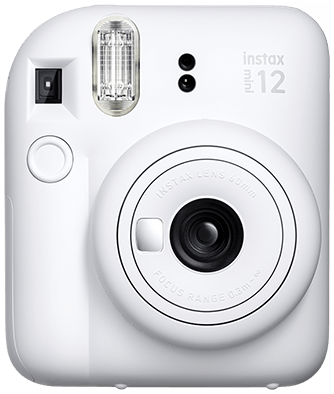

We may earn a commission from qualifying purchases.
Prices and sellers
No price information yet
Conditions and limitations
Close-up distance requires the matching mode
- Capability
- Close-up photography within the documented 0.3 m to 0.5 m window.
- Limitations
- The mode does not establish focus at arbitrarily shorter distances.
- Requirements
- Turn the lens ring to Close-up mode.
- Keep the subject within the documented distance window.
Compatibility
Instax Mini format and lack of direct digital connection are documented; no device-pair interoperability test is available.
Where sources differ
Independent reviews describe exposure variability. No controlled same-condition numerical conflict was found; these are observations rather than a resolved specification discrepancy.
Reported issues and fixes
Slippery handling and bright-scene overexposure appear in hands-on reports; prevalence, hardware revision and any verified fix are unknown.
Care and support
AA alkaline power and Instax Mini consumables are documented; exact assigned-unit warranty, repair provision and support end date were not verified.
Ownership costs
Film and battery requirements are established, but no prices were collected and no monetary ownership total is calculated.
Who it suits
Choose the physical-print workflow deliberately
- Check before buying
- Confirm the desired film format.
- Confirm flash is acceptable in the intended location.
- Check the actual unit's condition and local warranty separately.
- Constraints
- Always-firing flash.
- No direct camera connection to phone or computer.
- Needs
- Small physical Instax Mini photographs.
- Reason
- Choose it when physical Mini prints are the desired output and the flash and handling constraints fit the intended setting.
- Tradeoffs
- Simple automatic operation is paired with limited control and manual print digitization.
- Assessment
- conditional
Reviewer consensus
Consensus rows require at least two distinct sources for the topic.
| Topic | Positive | Negative | Mixed | Reading | Evidence |
|---|---|---|---|---|---|
| Exposure and flash behavior | 2 | 0 | 0 | Agreed · 2/2 | [1], [4] |
| Selfie and close up | 2 | 0 | 0 | Agreed · 2/2 | [5], [1] |
Single-source notes
- Battery life in practice: Mixed · 1/1 · [4]
- Build and portability: Agreed · 1/1 · [4]
- Build quality: Weak point · 1/1 · [5]
- Buyer fit: Agreed · 1/1 · [1]
- Ease of use and modes: Agreed · 1/1 · [5]
- Sound / experience quality: Weak point · 1/1 · [1]
- Limitations: Weak point · 1/1 · [5]
- Print quality and color: Agreed · 1/1 · [4]
- Print size and format: Agreed · 1/1 · [4]
The review
Fujifilm Instax Mini 12: simple instant photography with clear tradeoffs
Handling and portability
Fujifilm lists the body dimensions as 104 x 66.6 x 122 mm and its weight as 306 g without batteries, strap or film. The exclusions are important when comparing carrying weight: 306 g is the manufacturer's unloaded-body specification, not a measured ready-to-shoot weight. Buyers assessing a bag or a place to store the camera should use the dimensions directly rather than relying on the word compact. Photography Blog described a smooth, slippery, non-textured shell. That handling judgement is useful context for someone who expects a secure textured grip, but it does not establish a drop-test result or a numerical durability rating. The body may fit a casual photography role while still requiring attention to how it is held. Keeping the specification and the reviewer's handling experience separate gives a clearer picture than treating portability as a single universal advantage. Neither the quoted dimensions nor the qualitative surface description proves that every user will find the camera comfortable. [4], [5]
Power comes from two AA-size alkaline LR6 batteries. This is a concrete preparation requirement: have the specified batteries available instead of assuming that the camera charges like a phone. To begin normal shooting, turn the lens ring to ON; a further turn selects Close-up mode. The physical mode choice is central to operation because it links the straightforward controls to the intended subject distance. The North American manual also states that the shutter button cannot be pressed while the flash is charging. A pause before the next picture can therefore be part of normal readiness rather than evidence that the camera has failed. For a buyer planning a shared camera at a gathering, explaining the lens-ring positions and the need to wait for the flash would be more useful than describing it as effortless. The evidence supports these operating steps, but it does not give an independently measured shot-to-shot timing distribution or a battery endurance test under a defined sequence of photographs. [4], [6], [3]
Close-up mode and buyer fit
Close-up mode is documented for subjects between 0.3 m and 0.5 m away. Select that mode by turning the lens ring again instead of treating it as a general setting for every photograph. The distance window is the main practical qualification: a close subject still needs to fall within the documented range. It is not evidence that the camera can focus on an object held arbitrarily near the lens. The existing independent reviews identify portraits, selfies and travel snapshots as uses that suit the camera's approach. Those recommendations are best understood as experience-based buyer guidance, not a guarantee about every composition. Someone who mainly photographs people within the appropriate distance has a clearer use case than someone who expects unrestricted close focusing. Before buying for small objects, consider whether the intended subject can be framed at the supported distance. A stated close-up mode alone does not answer that question, and the available evidence does not establish a tested minimum detail size for product photographs. [5], [1], [6]
The Mini 12 is designed around a point-and-shoot experience. Amateur Photographer nevertheless described its results as fairly erratic, while also identifying portraits and selfies as areas where it worked well. Keeping both parts of that experience is more informative than presenting only praise or only disappointment. The report does not establish that every camera has an identical problem, and it should not be converted into a defect percentage. Together with Cameralabs' bright-scene observation, it suggests a buyer should value the enjoyment of making physical photographs while allowing for variations in results. This is a conditional recommendation for casual use, especially when the photographer welcomes the process as part of the experience. It is less convincing for someone whose main requirement is predictable results with minimal room for an unsuccessful frame. The source material offers useful observations from actual shooting, but it does not provide the controlled sample, exposure conditions and repeated numerical results needed to quantify reliability across situations. [5], [1], [2]
Choosing between instant-film systems
The film system is an ongoing part of owning the Mini 12, not simply an accessory choice made on the first day. It uses Instax Mini film, and the North American manual instructs the user to keep the back cover closed until all images in the loaded pack have been used. This makes film handling a meaningful part of learning the camera and of avoiding wasted material. No current film price or total ownership-cost estimate is supplied here, so the recommendation does not depend on a shopping offer or an invented cost per successful picture. There is also an important distinction between making a physical print and obtaining a digital image. Cameralabs explains that the camera has no screen or direct connection to a phone or computer. Digitizing the output requires photographing the print. A buyer who mainly wants files for immediate digital sharing should consider that extra step before choosing this particular workflow, rather than interpreting references to an app as a wireless transfer feature inside the camera. [4], [2], [3]
The strongest reason to choose the Mini 12 is a preference for a simple camera that makes Instax Mini physical photographs. Its point-and-shoot approach, specified batteries and close-up setting define a understandable routine, provided the user accepts the always-firing flash and the film-handling rules. Before buying, check three practical matches: the desired print format, whether the intended subjects fit the close-up distance when that mode is needed, and whether physical prints followed by manual digitization meet the sharing requirement. Preparation should also include the specified alkaline batteries and a willingness to wait for flash readiness between shots. This recommendation does not assume that the assigned colour variant has been separately laboratory tested, nor that a public review verifies a particular unit's condition or warranty. It rests on model-level documentation and review experience. Buyers who accept these constraints can assess the camera on its actual workflow; those seeking direct digital transfer or flash-free operation have a clear reason to consider a different camera category. [4], [5], [2], [3]
Core format and optics
The Fujifilm Instax Mini 12 uses Instax Mini instant film and produces a picture area measuring 62 x 46 mm. That picture area is the image itself, so it should not be confused with the surrounding print border. The manufacturer specifies a 60 mm lens and an f/12.7 aperture. These identify the camera's optical arrangement; they are not measurements of detail resolved in a finished print. For a buyer, the useful starting point is the small physical image format and whether that format suits the photographs they intend to give away or keep. Choosing the Mini 12 commits the purchase to Instax Mini film. A preference for another instant-film shape is therefore a reason to compare systems before buying film, rather than assuming that different packs will fit this camera. The retained evidence establishes the format and optics but does not provide a controlled numerical sharpness test, so claims about precisely how much detail this lens resolves would exceed the available research. [4]
In standard shooting, exposure and flash control are automatic. The flash fires for each photograph, while its light output is adjusted automatically; automatic flash control should not be read as an option to disable the flash. This distinction matters if the camera is intended for a venue where flash is unwelcome or prohibited. It also means that a buyer who enjoys choosing the lighting treatment for each scene is accepting a significant operating constraint. Cameralabs reported overexposed bright outdoor scenes during its hands-on review, which shows why automatic operation should not be treated as a promise of correct exposure in every situation. That report is an observation from the reviewer's shooting, not a measured failure rate for all cameras or all lighting conditions. For casual portraits, automatic settings can reduce decisions before taking a picture, but the same simplicity leaves less scope to respond when the chosen exposure does not match the photographer's intention. [4], [5], [1], [2]
Alternatives
| Alternative | Where this Product wins | Where it loses | Pick it if |
|---|---|---|---|
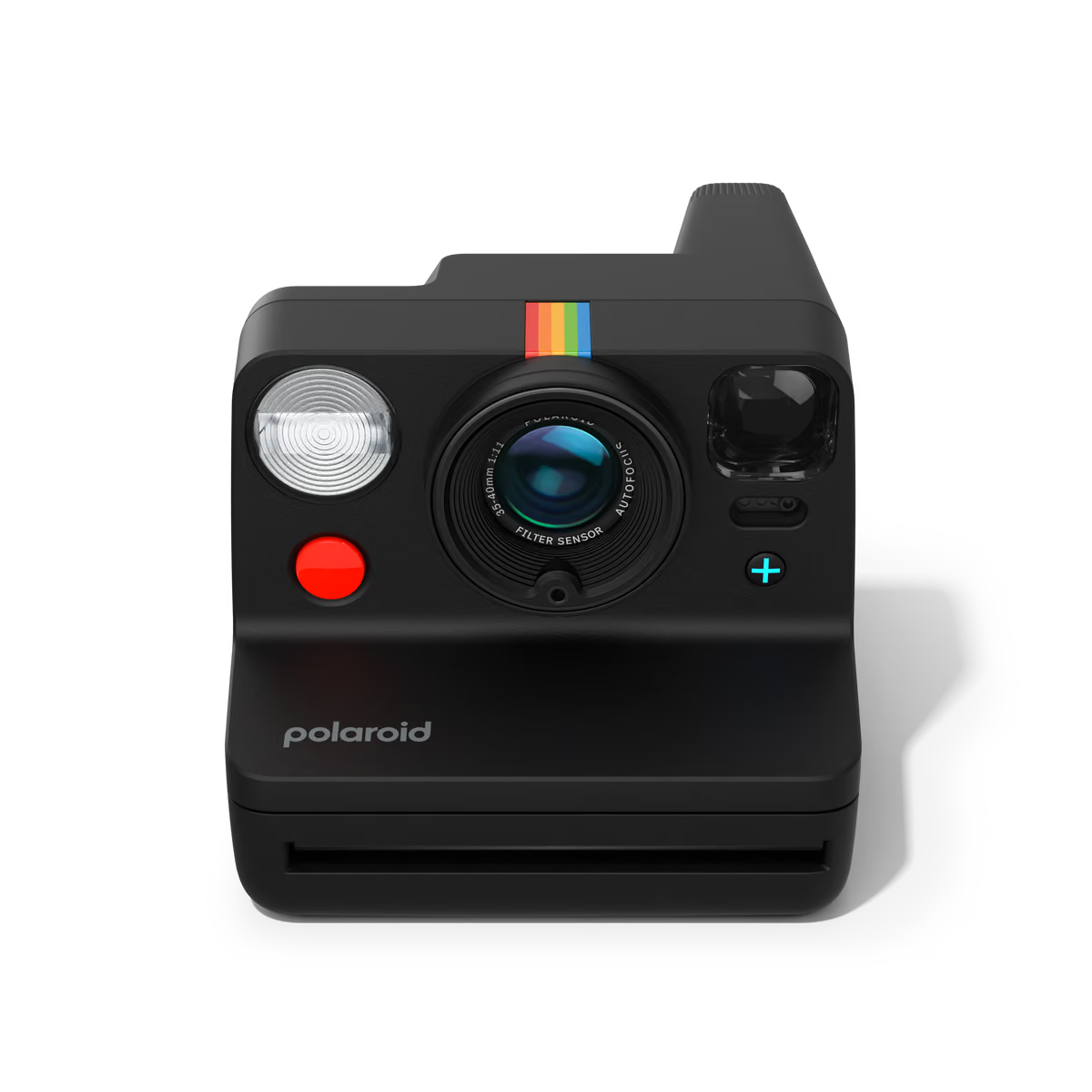
| Polaroid Now+ Generation 3 Instant Camera - Black | The Mini 12 documents a 0.3 m to 0.5 m close-up range, while the Polaroid rival evidence says arm's-length selfies are impractical. [5], [1] | The Mini 12 uses Instax Mini film; the Polaroid rival uses Polaroid 600 and i-Type film, so film preference determines this tradeoff. [4] | Choose the Mini 12 for Instax Mini film and documented close-up shooting; choose the Polaroid if its 600 or i-Type film system is the priority. |
| Specification | Fujifilm instax mini 12 Instant Camera — Clay White | Polaroid Now+ Generation 3 Instant Camera - Black |
|---|---|---|
| Limitation | The Mini 12 has no screen or direct phone/computer connection; digitizing a print requires photographing it. [2] | The close-focus limit makes handheld arm's-length selfies impractical. |
| Film Format | Fujifilm Instax Mini film; picture size 62 x 46 mm [4] | Polaroid 600 and i-Type |
Buyer questions
Before you buy
How large and heavy is the camera?
The body measures 104 x 66.6 x 122 mm and weighs 306 g without batteries, strap, or film. [4]
Compatibility
What film does the Instax Mini 12 use?
It uses Fujifilm Instax Mini instant film and produces a 62 x 46 mm picture area. [4]
Product images
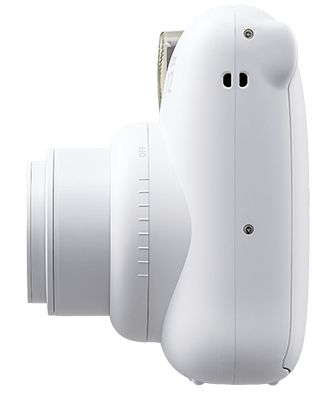
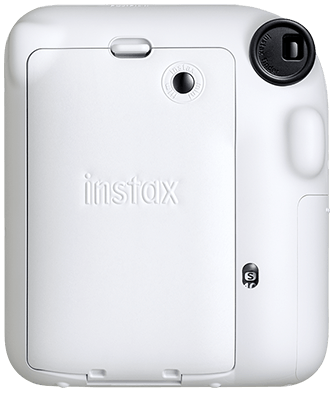
Facts and specifications
Manufacturer datasheet
| Specification | Value | Source |
|---|---|---|
| Aperture | f/12.7 | [4] |
| Battery Type | Two AA-size alkaline batteries (LR6) | [4] |
| Control Type | Turn the lens ring to ON for normal shooting and turn it again for Close-up mode. | [6] |
| Depth | 66.6 mm | [4] |
| Height | 122 mm | [4] |
| Width | 104 mm | [4] |
| Film Format | Fujifilm Instax Mini film; picture size 62 x 46 mm | [4] |
| Flash | Yes | [4] |
| Focal Length | 60 mm | [4] |
| Weight | 306 g | [4] |
Manufacturer manual
| Specification | Value | Source |
|---|---|---|
| Setup Requirement | Keep the camera back closed until all images in the loaded film pack have been used. US; The shutter button cannot be pressed while the flash is charging. US | [3] |
Stated by reviewers
| Specification | Value | Source |
|---|---|---|
| Flash | Yes | [1] |
| Limitation | Cameralabs reported overexposed bright outdoor scenes in its Mini 12 hands-on review.; The Mini 12 has no screen or direct phone/computer connection; digitizing a print requires photographing it. | [2] |
Other facts
| Specification | Value | Source |
|---|---|---|
| Buyer Fit | Designed for a point-and-shoot experience; Suited to portraits, selfies, and travel snapshots from afar | [5], [1] |
| Limitation | The automatic flash fires for every photo; The reviewer's results were fairly erratic | [5], [1] |
| Risk | The body has a smooth, slippery, non-textured surface | [5] |
| Use Case | Close-up mode focuses from 0.3 m to 0.5 m; Close-up mode supports shooting from 0.3 m to 0.5 m | [5], [1] |
KnowSpec analysis
A physical-print workflow with preparation requirements
The Mini 12 fits buyers who want small Instax Mini prints and automatic operation. Check subject distance before using Close-up mode, accept that every frame uses flash, and keep the film door shut until the pack is exhausted. Sharing digitally requires photographing the print; an accompanying app does not add a camera connection. These constraints matter more to the purchase than a generic claim of simplicity.
Method: Manufacturer-documentation and independent hands-on synthesis; no new laboratory test.Visible information gaps
Missing information is shown rather than guessed.
- Topic:App And Bluetooth Featuresnot found
- Topic:Comfort Usabilitynot found
- Topic:Film Cost And Availabilitynot found
- Topic:Creative Modes And Double Exposurenot found
Products in this content
-
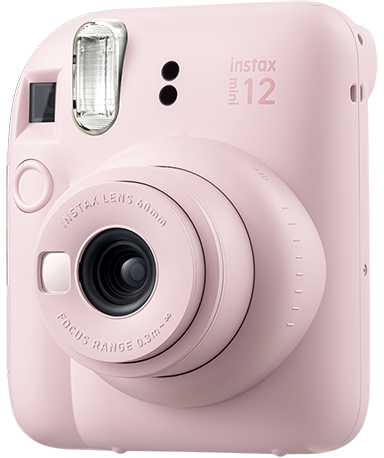
Fujifilm Instax Mini 12 Instant Camera - Blossom Pink
The Fujifilm Instax Mini 12 is a friendly entry-level instant camera for selfies, portraits, parties, and travel snapshots. Automatic exposure and flash, a twist control, close-up framing ai
-
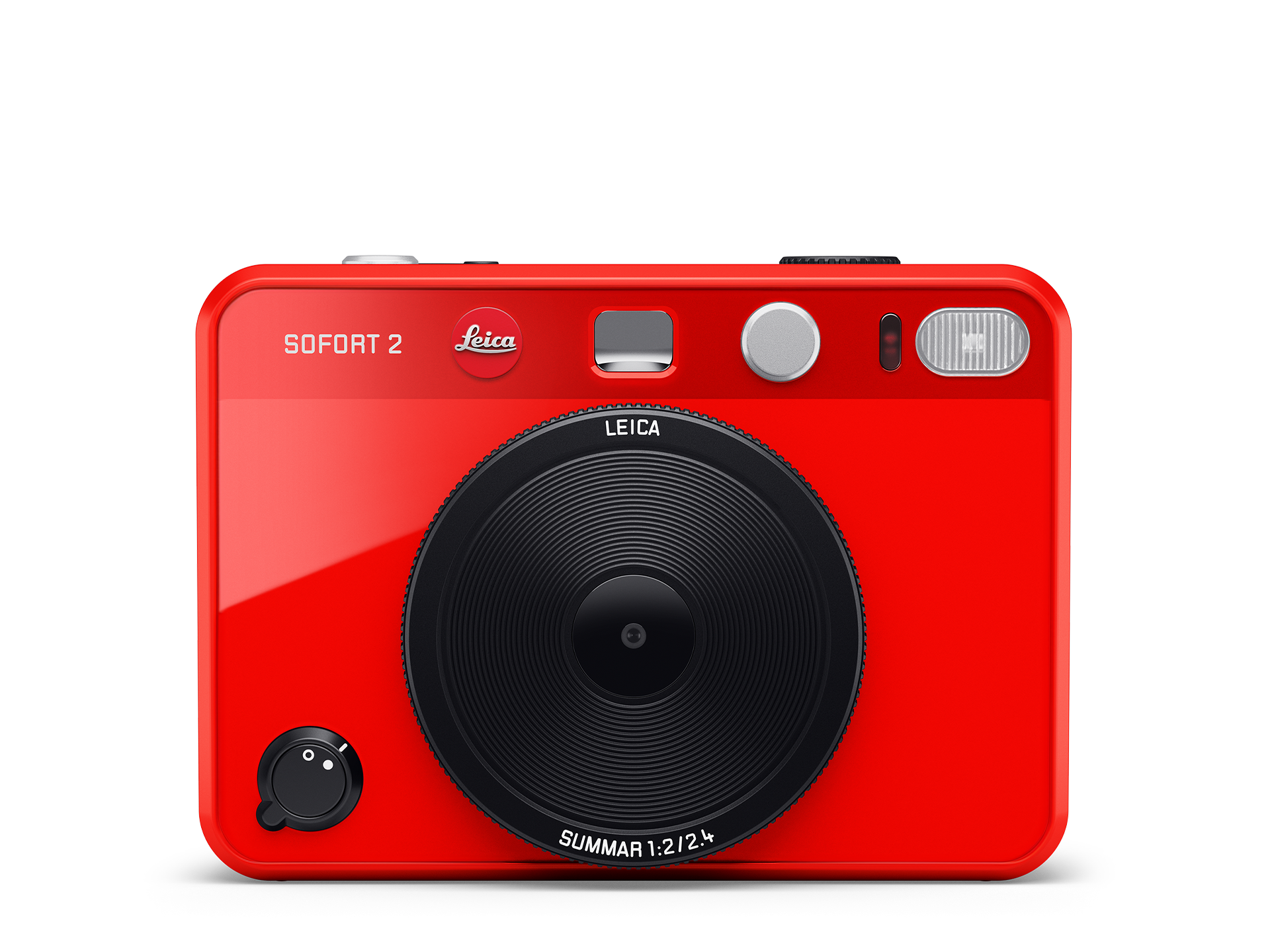
Leica Sofort 2 Hybrid Instant Camera - Red (19189)
The Leica Sofort 2 is a compelling fit for buyers who want a playful, social instant-camera experience while keeping digital control over which images become prints. Reviews describe straightforward handling,
-
Polaroid Now+ Generation 3 Instant Camera - Black
The Polaroid Now+ Generation 3 is a fun choice for beginners who want the tactile character of instant film with straightforward point-and-shoot operation and optional app-based creative control. It suits del
-
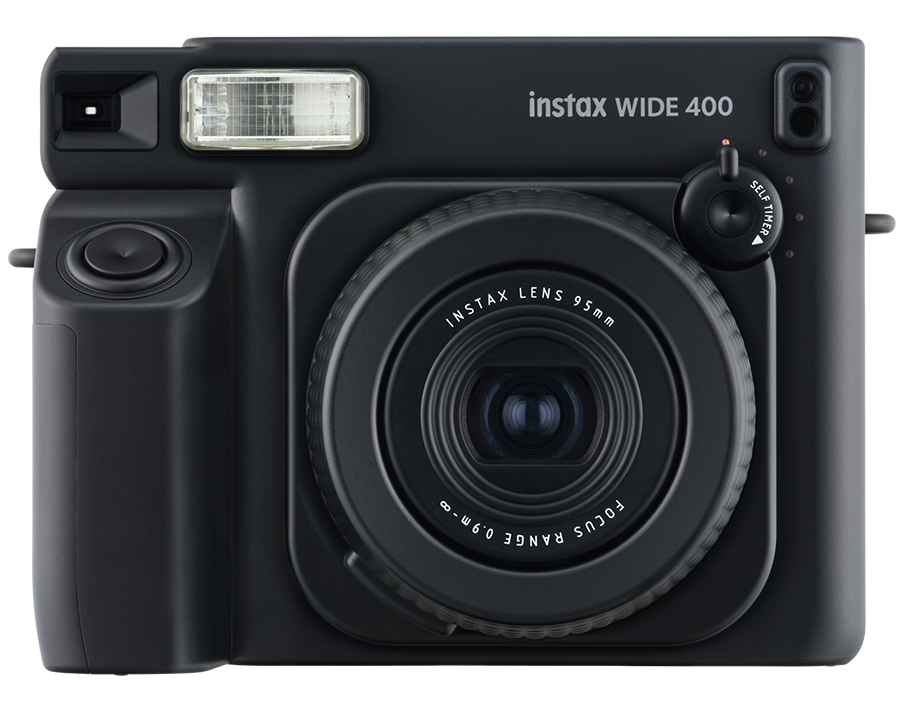
FUJIFILM instax WIDE 400 Instant Film Camera (Black with 2 Wide Twin Packs and Bag)
Choose the instax WIDE 400 if you want straightforward physical prints for groups and landscapes and accept automatic exposure. Reviewers found
Sources and method
- Fujifilm Instax Mini 12 Review – photography fun in an instantAmateur Photographer · retrieved 2026-09-28Editorial review
- Fujifilm INSTAX Mini 12 reviewCameralabs · retrieved 2026-10-08Editorial review
- INSTAX MINI 12 User's Guide (North American English)Fujifilm · retrieved 2026-10-08ManualPDF
- Product Specifications | instax mini 12Fujifilm · retrieved 2026-09-28Manufacturer
- Fujifilm Instax Mini 12 ReviewPhotography Blog · retrieved 2026-09-28Editorial review
- instax mini 12Fujifilm · retrieved 2026-10-08Manufacturer