Sony Alpha 7C II Full-Frame Mirrorless Camera, Body Only, Silver (ILCE-7CM2/S)
A7C II combines full-frame capture with compact-body compromises. Reviewers disagree about handling; try the intended lens and autofocus controls. Single-card storage cannot provide simultaneous dual-card backup, and movie card requirements depend on codec and proxy settings.
Updated 2026-10-14

We may earn a commission from qualifying purchases.
Prices and sellers
No price information yet
Areas not yet researched (7)
No conclusion is available for these areas. This does not mean the Product has no limitations or reported issues.
- Conditions and limitations
- Compatibility
- Where sources differ
- Reported issues and fixes
- Care and support
- Ownership costs
- Who it suits
Specifications
Weight
514 gReviewer reports a calibrated kitchen scale; average of three readings. · A7C II with battery and card, without lens. Three repeated readings are not three cameras. Exact hardware revision, firmware and test country are unknown; source identifies a black camera.
Source [3]Reviewer consensus
Single-source notes
The review
Full-frame camera with 10 fps burst and 514 g tested weight
Sensor format
The Sony A7C II, identified in the help guide as ILCE-7CM2, combines a 35 mm full-frame sensor with approximately 33 effective megapixels and the Sony E-mount lens system. Those are manufacturer specifications, rather than independent measurements of image quality. They establish the camera's format and resolution, but they do not by themselves predict how a particular lens, exposure or processing workflow will look. Buyers should therefore choose a lens and shooting workflow alongside the body, especially when the reason for buying this model is a smaller everyday kit. The official connection list includes USB Type-C with USB Power Delivery, micro HDMI, and separate stereo microphone and headphone sockets. That gives a useful starting point for planning an external microphone, monitoring headphones or a powered recording setup, although a connector listing is not a guarantee that every accessory combination works. Check the exact accessory and cable before relying on it. This research concerns the A7C II and does not import the higher-resolution A7CR's sensor specifications or assume that a shared body shape makes the two cameras interchangeable. [8]
Burst performance
Sony lists a maximum continuous rate of approximately 10 images per second, with shooting conditions capable of reducing that rate. Amateur Photographer adds a more useful operational distinction: its review describes 10 fps in Hi+ using lossy compressed RAW, with a 50-frame RAW buffer and no live view between frames. The reviewer preferred the Hi mode for moving subjects, reporting 8 fps for up to 80 compressed RAW files before slowing or stuttering. Lossless-compressed RAW reduced the reported rate further to 6 fps. These observations should not be merged into one unconditional promise that every RAW setting sustains the headline speed. Select the file quality first, then decide whether maximum cadence or a more useful view of a moving subject matters more. The same review also describes shutter compromises: electronic first curtain can truncate out-of-focus highlights with wide apertures at fast speeds, while a fully electronic shutter can introduce distortion or banding under artificial light. For events and action, test the intended lighting, subject motion and file settings before treating silent operation or the fastest burst option as the default. [8], [5]
Portability
TheTestedHub reports weighing an A7C II with its battery and card on a calibrated kitchen scale and averaging three readings to obtain 514 g. This is a reviewer-reported measurement of that configuration, not the weight of a complete camera-and-lens kit. Three readings are repeated measurements rather than evidence that three separate camera samples were tested. The source's exact hardware revision, firmware and test country are not established here, so the result should remain attached to the reviewed sample rather than being presented as a factory tolerance for every body. The practical buying implication is to include the intended lens, strap and any extra grip in the carrying decision. A light body can be a helpful starting point for travel, but it cannot make a large lens disappear from the bag or from the photographer's hands. Try the full kit in the way it will actually be carried, and consider whether the smaller body remains comfortable during a longer session. The measured figure is useful context for that decision; it does not establish long-term comfort, weather resistance or a guaranteed reduction in fatigue. [3], [8]
Match the memory card to the recording format
Sony's exact-model memory-card table is more useful than a blanket instruction to buy any UHS-II card. With proxy recording off, XAVC HS 4K and XAVC S 4K at maximum listed rates of 200 Mbps accept SDHC or SDXC cards rated U3 or higher. XAVC S-I 4K at up to 600 Mbps instead calls for SDXC V90 or higher. Enabling proxy recording changes the table again: the listed 4K XAVC HS and XAVC S combinations require SDXC V60 or higher. Sony also states that the camera cannot perform proxy recording in XAVC S-I. These distinctions make the selected codec, recording mode and proxy setting part of the card-buying decision. They are not interchangeable labels for one universal storage requirement. Check the applicable row before a shoot and confirm that the card actually carries the required rating. Keeping that setup decision explicit avoids discovering at the location that an otherwise usable stills card is inappropriate for the intended movie mode. This research does not certify a particular card brand, capacity, counterfeit-detection method or uninterrupted recording duration. [7]
Autofocus capability and everyday control
Photography Blog tested the silver version of the A7C II and reported that autofocus rarely caused it to miss a moment during ordinary use. The reviewer found moving-subject tracking effective and highlighted Eye AF for portraits. That is helpful field experience, but the review does not turn those observations into a universal hit rate for every subject, lens or lighting condition. Treat them as evidence that the system can work well in the reviewer's situations, then check whether your own subjects require different settings. The same review preferred the larger grip after several weeks of use, while still regretting the absence of a dedicated autofocus joystick. This distinction matters because finding a subject automatically and moving a focus point manually are different tasks. A photographer who relies on recognition may find the controls acceptable, while one who constantly positions a small focus area could feel differently. For hybrid work, the review also documents full-frame 4K/30p and Super 35 4K/60p with internal 10-bit options. The faster video mode changes framing; it should not be described as uncropped full-frame capture. [4]
Handling opinions are not unanimous
The reviews do not support one universal judgment about the A7C II's ergonomics. ePHOTOzine used the camera with Sony's FE 16-35mm f/2.8 GM II and judged its handling excellent overall, while finding the power-switch position awkward and noting that there is only one SD card slot. Amateur Photographer was substantially more critical of the small grip and the indirect process for moving the autofocus point without a joystick. Photography Blog, meanwhile, appreciated the improved grip but also wanted that missing control. These are useful differences rather than a reason to discard whichever reviewer disagrees with a preferred verdict. Lens size, hand size and the controls a photographer uses repeatedly can change the experience of the same body. Before buying, mount the lens you expect to use most, reach the switches without changing your grip, and try selecting focus points while following a subject. If a job requires simultaneous recording to two cards, the single slot is a structural limitation rather than something a more favorable handling review can resolve. A larger grip accessory also does not create a second recording slot. [4], [5], [1]
Read image-quality judgments in their test context
ePHOTOzine's performance page includes ISO test samples and describes little visible noise through ISO 12800, increasing noise at 25600, and more significant noise at 51200. It also reports excellent automatic white balance. These are the reviewer's judgments of particular images and processing, not calibrated promises that every photograph at those sensitivities will satisfy every photographer. Exposure, output size and the amount of editing can change what an acceptable result means. Look at samples that resemble the lighting and final output you intend to use, rather than choosing the body from a single numerical cutoff. The same performance page distinguishes uncropped 4K/30p from Super 35 4K/60p and lists 10-bit 4:2:2 recording, supporting a capable hybrid role with a real framing tradeoff at the faster setting. The resulting buying case is conditional: this camera makes sense when its lens system, smaller body and recording options match the actual job. It is less convincing when the work demands dual-card redundancy or when the chosen lens and preferred handling erase the practical value of a compact body. Exact regional bundle contents and current firmware behavior remain checks for the individual purchase. [8], [4], [1], [2]
Buyer questions
Before you buy
What sensor and lens mount does it use?
Sony specifies a 35 mm full-frame sensor with approximately 33 effective megapixels and Sony E-mount lenses. [8]
What does the 514 g weight include?
TheTestedHub reports 514 g with battery and card, without a lens, averaged from three scale readings. The number of camera samples, exact hardware revision, firmware and test country are unknown. [3]
Setup
Which memory card is needed for XAVC S-I 4K?
Sony lists SDXC V90 or higher for XAVC S-I 4K at up to 600 Mbps with proxy off. Other codecs and proxy settings have different requirements; check the exact table row. [7]
Everyday use
Is 10 fps available with every RAW setting?
No. Sony lists approximately 10 fps maximum. Amateur Photographer reports 10 fps in lossy compressed RAW Hi+, 8 fps in Hi, and 6 fps with lossless-compressed RAW; Hi+ lacks live view between frames. [5]
Limitations
Does 4K/60p use the full sensor width?
No. The reviewed recording options distinguish full-frame 4K/30p from Super 35 4K/60p. Plan the lens and framing around the cropped faster mode. [4]
Facts and specifications
Manufacturer manual
| Specification | Value | Source |
|---|---|---|
| Burst Rate | 10 fps US | [8] |
| Lens Mount | Sony E-mount | [8] |
| Ports | USB Type-C with USB Power Delivery; HDMI type D micro; 3.5 mm stereo microphone and headphone jacks | [8] |
| Sensor Resolution | 33 megapixels | [8] |
| Sensor Size | 35 mm full frame (35.9 mm × 23.9 mm) | [8] |
| Setup Requirement | Sony lists SDHC/SDXC U3 or higher for XAVC HS 4K and XAVC S 4K at up to 200 Mbps with proxy off; XAVC S-I 4K at up to 600 Mbps needs SDXC V90 or higher; enabling proxy changes the card requirements. | [7] |
Stated by reviewers
| Specification | Value | Source |
|---|---|---|
| Limitation | Amateur Photographer found the grip small and AF-point selection clunky without a joystick, and reports electronic-first-curtain bokeh truncation at fast shutter speeds and electronic-shutter distortion or artificial-light banding risks. | [5] |
| Maximum Video Resolution | 4K/30p full-frame; 4K/60p Super 35; internal 10-bit 4:2:2 | [4] |
Measured by a lab
| Specification | Value | Source |
|---|---|---|
| Weight | 514 g US | [3] |
KnowSpec analysis
A compact hybrid with conditional handling benefits
A7C II combines full-frame capture with compact-body compromises. Reviewers disagree about handling; try the intended lens and autofocus controls. Single-card storage cannot provide simultaneous dual-card backup, and movie card requirements depend on codec and proxy settings.
Method: Synthesis of official specifications and independent field reviews; not a new product test.Visible information gaps
Missing information is shown rather than guessed.
- Topic:Measured Performancenot found
- Topic:Buyer Fitnot found
- Topic:Limitationsnot found
- Topic:Battery Lifenot found
- Topic:Efficiencynot found
Products in this content
-
Canon EOS R100 Mirrorless Camera, Body Only
The Canon EOS R100 is a compact beginner mirrorless camera with a 24.1-megapixel sensor, 4K recording at 23.98 fps, and a 430-shot LCD rating. It fits static subjects and simple travel use, but its fixed non-touch display and modest 6.4 fps
-
Fujifilm X-T50 Body, Black
The Fujifilm X-T50 is supported here as a high-resolution travel-oriented camera with generally reliable autofocus. Its manual confirms a 40.2-megapixel sensor, while independent reviews position the body for all-day travel and report depen
-
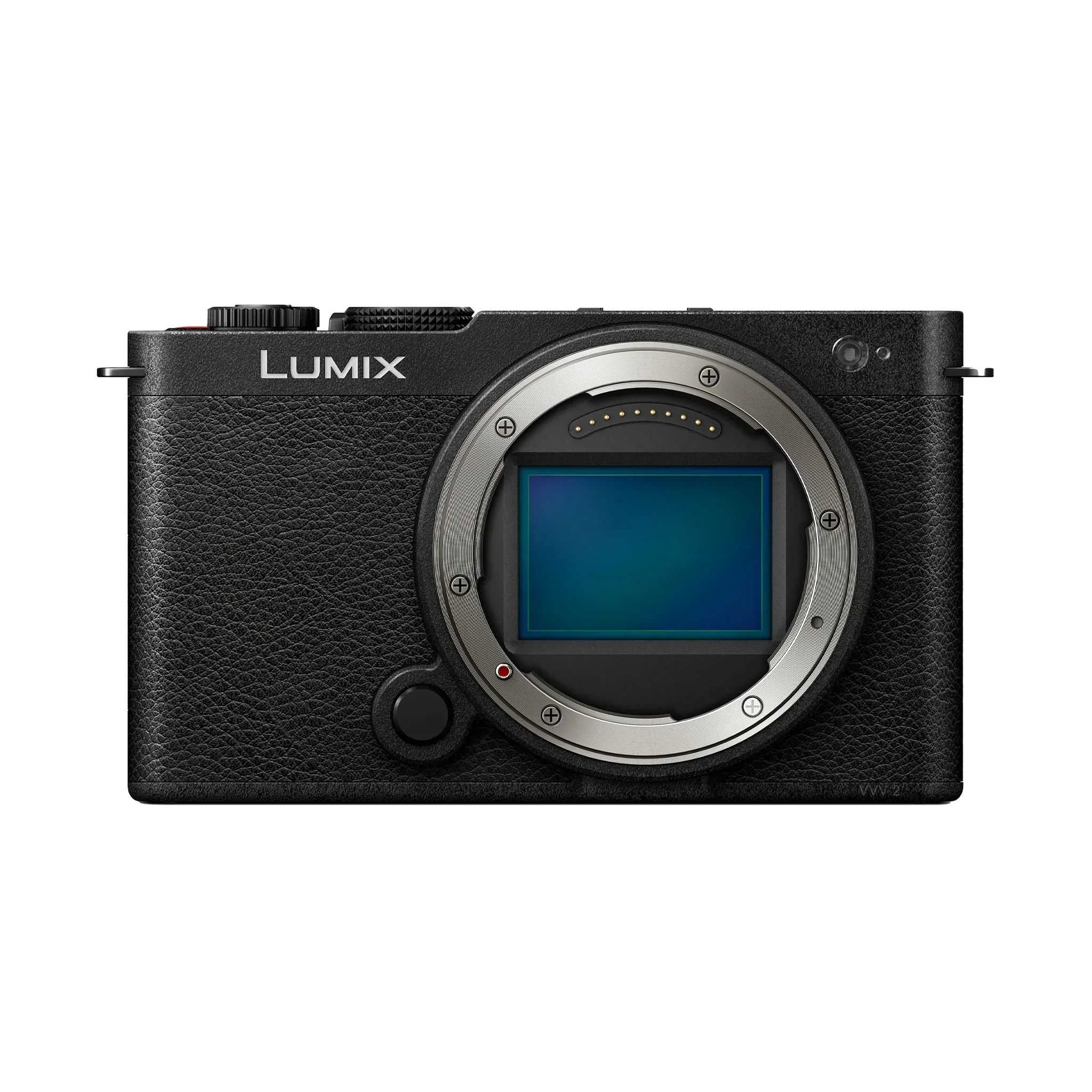
Panasonic LUMIX S9 Body, Black (DC-S9BODYK)
This compact L-Mount camera is strongest for content creators and travel shooters who can pair it with a small lens. Evidence supports excellent still-image quality, reliable autofocus, stabilization, 6K open
-
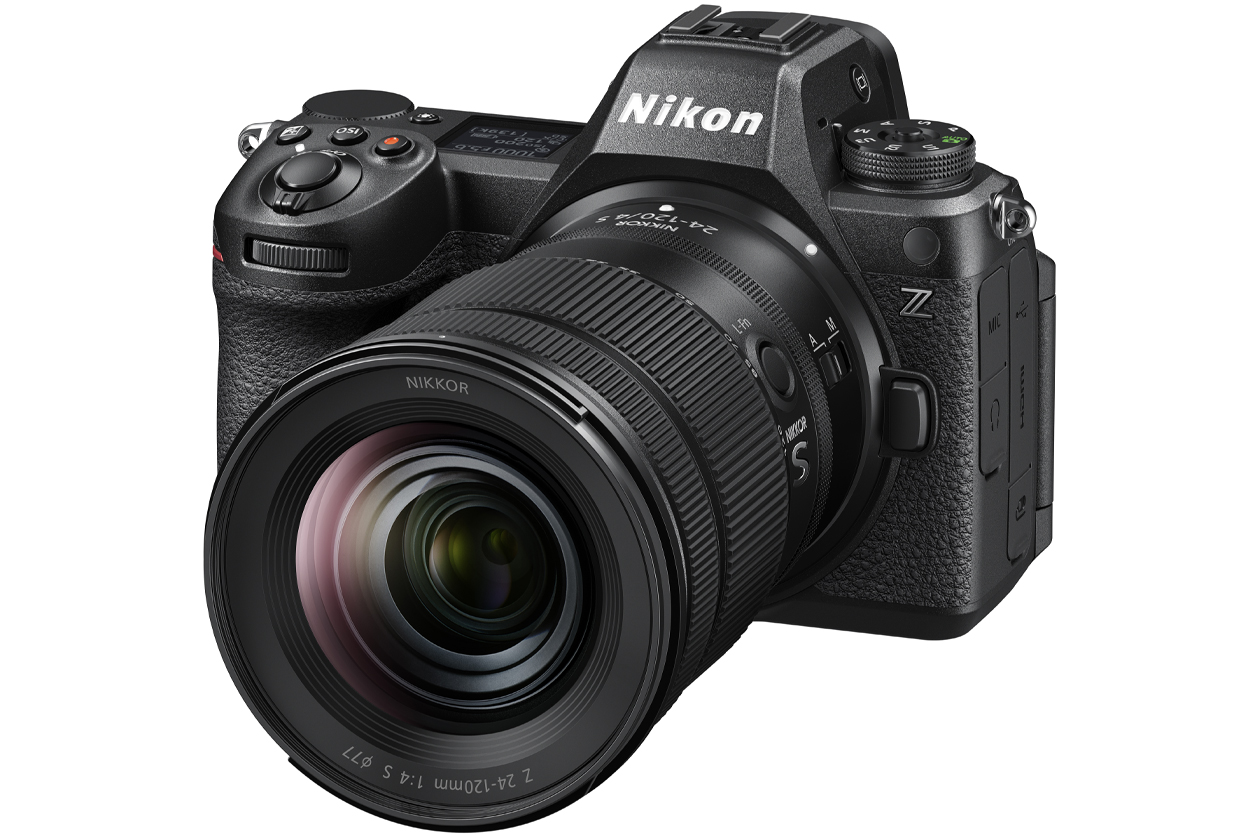
Nikon Z6III with NIKKOR Z 24-70mm f/4 S Lens Kit
The available evidence establishes three buyer-relevant points for the Nikon Z6 III: internal RAW video recording at its cited maximum format, autofocus that reviewers considered much improved over earlier ge
-
Sony ZV-E10 II APS-C Mirrorless Creator Camera with 16-50mm Lens Black
The reviewer-supported fit remains self-facing creation in a portable body. Sony's current license adds 4K 120p capability, but that mode restricts Active stabilization and proxies and changes framing. Verify license state and storage befor
-
Sony ZV-E10 II APS-C Mirrorless Creator Camera Body
The review's face tracking and Product Showcase observations support solo demonstrations and short creator recordings. The 610-shot CIPA rating is a still-image reference, not a video enduranc

Sources and method
- Sony A7C II Camera ReviewePHOTOzine · retrieved 2026-10-14Lab review
- Sony A7C II Camera Review - PerformanceePHOTOzine · retrieved 2026-10-14Lab review
- Sony A7C II Review (2026): The 514 GramTheTestedHub · retrieved 2026-09-28Lab review
- Sony A7C II ReviewPhotography Blog · retrieved 2026-10-14Lab review
- Sony Alpha A7C II review – Full-frame both great and smallAmateur Photographer · retrieved 2026-10-14Lab review
- Sony Alpha 7C II Full-Frame Interchangeable Lens Camera - SilverPriceHistory · retrieved 2026-09-28Retailer listing
- ILCE-7CM2 Memory cards that can be usedSony · retrieved 2026-10-14Manual
- ILCE-7CM2 Help Guide SpecificationsSony · retrieved 2026-09-28Manufacturer support