Sony 75 Inch BRAVIA 3 LED 4K HDR Smart Google TV (K-75S30) | Dolby Vision /Atmos, Exclusive Features for PlayStation5, 4K Processor X1, Triluminos Pro, 4K movie credits included
The K-75S30 fits viewers who prioritize Google TV and the reviewer's natural-color and upscaling assessment. Its 60 Hz ceiling and lack of VRR make that a conditional recommendation for casual console use. Buyers who care more about dark movie bars should consider the reported gray backlight glow before choosing it.
Updated 2026-10-08

We may earn a commission from qualifying purchases.
Prices and sellers
No price information yet
Conditions and limitations
External audio through HDMI IN 3
- Capability
- The North American guide identifies HDMI IN 3 as eARC/ARC.
- Limitations
- Device-specific interoperability is not tested in this package.
- Requirements
- Check that the external audio device and cable support the intended connection.
Compatibility
eARC support is documented but no exact receiver or soundbar combination is independently verified.
Where sources differ
The Hong Kong manual and North American electrical requirement are region-specific, not interchangeable specifications; no same-region measured conflict is verified.
Reported issues and fixes
Review limitations are documented; defect incidence, firmware-specific faults and fixes are not established.
Care and support
Public manuals were checked; no guaranteed support end date, spares duration or exact US warranty terms are verified.
Ownership costs
Regional power requirement is documented; measured household energy use, repair costs and recurring service costs remain unverified. No price observations are used.
Who it suits
Article and scenarios explain platform, physical fit and gaming limits; exact installation compatibility and numerical HDR/latency comparisons remain gaps.
Reviewer consensus
Single-source notes
The review
Sony BRAVIA 3 K-75S30: verified features and fit
Smart platform
The manufacturer's datasheet identifies Google TV as the operating system, preserving the clearest established smart-platform fact from the earlier article. The review also includes Google TV in its buyer-fit recommendation. For a household choosing between interfaces, that is a useful reason to consider this model, but it does not establish the availability of every individual app in every country. A platform name should guide the interface decision; it should not substitute for checking the services that matter to you. This package consequently keeps the platform identification separate from unsupported app promises. Buyers moving from another television should confirm their essential viewing services for the actual region and account they intend to use. [3], [2]
The North American reference guide identifies HDMI IN 3 as the eARC/ARC connection. That detail is more useful for installation than a generic statement that external audio is supported: it tells an owner which connector to reserve when planning a compatible soundbar or receiver setup. Treat the television's documented eARC capability and the other device's compatibility as separate checks. The presence of the connector alone does not verify every codec, cable, receiver or soundbar combination. This pass does not provide a device-specific interoperability test. Before arranging the equipment, check the corresponding audio connection on the external system and retain access to the television's designated port for connecting or troubleshooting it. [4]
Regional identity matters even when the front of two televisions carries the same model family. The inherited ManualsLib guide explicitly says that it covers Hong Kong, whereas the North American reference guide specifies 120 V AC for the United States and Canada. The regional electrical information from the Hong Kong document must therefore not be silently reused for this US ASIN. That guide remains useful here as evidence of its own applicability limit, not as authority for US power or tuner behavior. A buyer importing equipment should check the exact regional model documentation and rating label. A similarly named overseas manual does not establish that the destination's electrical requirements are met. [1], [4]
The distinction between a specification, an observed review result and an evidence gap is essential to using this article responsibly. Google TV is a manufacturer-documented feature; the calibration luminance is an approximate secondary report; and the regional-manual warning prevents an inappropriate specification transfer. None of these should be flattened into a universal guarantee. When a buying decision depends on an unavailable measurement or a particular service, the appropriate next step is to check that exact requirement, not to extrapolate from a nearby fact. Keeping those boundaries visible makes the review more useful: it shows which decisions can be made from the current evidence and which still require confirmation for the buyer's own installation. [3], [5], [1]
Buyer fit
The established buyer profile favors natural color, dependable upscaling, Google TV and a straightforward 60 Hz television. Preserve that profile while reading it alongside the limitations: this is a conditional fit when VRR or deep-looking movie bars are priorities. The reviewer's favorable processing assessment is a reason to audition familiar broadcasts and streams, not a guarantee of premium performance in every scene. Choose according to your dominant use rather than accumulating feature names. If everyday viewing and interface preference lead the decision, the supported profile is relevant. If your essential requirements include variable refresh or stronger dark-scene presentation, the documented limits should carry enough weight to reconsider the choice. [3], [2]
The exact-model datasheet gives approximate dimensions without the stand of 1675 mm wide, 962 mm high and 73 mm deep. These are cabinet dimensions, not an installed wall-to-screen distance or the footprint of the supplied feet. For planning, measure the available opening in both directions and consider where the connections will be reached. Do not treat a quoted screen size as a substitute for that envelope. A wall bracket or stand changes the installation problem, and this pass does not claim that the bare cabinet depth includes either. Keeping the documented measurements in their original readable units helps buyers compare them directly with the space they have measured. [3]
Sony's approximate weight without the stand is 31.3 kg. That number belongs to the manufacturer's specification and is not an independently weighed sample in this evidence pass. For a buyer, the important consequence is to check support capacity and installation planning before concentrating only on picture features. The bare television's documented weight does not establish the final combined load of every bracket, stand or accessory. Likewise, a cabinet that fits inside a space does not by itself establish that the intended mounting arrangement is suitable. Confirm the support documentation and the complete configuration you will install. The article keeps physical fit as a separate decision because it cannot be resolved from picture quality or smart-platform preference. [3]
The resulting recommendation rests on verified feature identity and explicit uncertainty. The US K-75S30's resolution, Google TV platform and regional electrical requirement are documented; the approximate calibration reading has a narrower sample-specific meaning. Several public sites refused native snapshots, and the RTINGS receipts contained navigation rather than verifiable test results. Those access limits leave the requested source-breadth target unmet and prevent a stronger numerical performance claim. Before buying, verify the actual regional model, essential services and the measurements that drive your decision. The article offers a supported starting point for that process while leaving unverified performance details unresolved instead of converting missing evidence into confident promises. [3], [4], [5], [1]
Resolution
The Sony BRAVIA 3 K-75S30 has a documented horizontal resolution of 3840 pixels and a native refresh rate of 60 Hz. These specifications answer different buying questions: resolution identifies the image grid, while refresh rate identifies the panel's frame-rate ceiling. A buyer considering this set for ordinary television should therefore separate the appeal of a large detailed picture from expectations about high-refresh gaming. The existing review-based recommendation for natural color and dependable upscaling remains useful, but it is an attributed judgment rather than a promise that every source will look equally sharp. Evaluate the content you actually watch instead of treating a resolution label as a complete picture-quality verdict. [2], [4], [3]
A public Tech Steve settings guide reports that Brightness 13 produced approximately 200 nits on an independently measured 75-inch sample, attributing the calibration findings to RTINGS. The stated context is Professional SDR picture mode. This is a physical luminance reference, but it is secondary evidence in this package: the primary RTINGS snapshot did not include the relevant body text. It must not be presented as a measurement performed by Tech Steve or KnowSpec. It also does not describe maximum brightness or HDR peak output. A practical starting setting can help an owner begin adjustment, but it cannot predict the exact luminance of another television without measuring that individual panel. [5]
The written review describes gray backlight glow remaining visible in dark scenes and widescreen movie bars. That observation changes the buyer implications of the favorable color and upscaling comments: attractive everyday pictures do not automatically imply satisfying blacks in a dark viewing environment. Someone who regularly watches movies with the lights lowered should pay particular attention to those bars and shadowed scenes during an audition. This is a reviewer observation, not a measured contrast ratio, and the package does not turn it into a numerical benchmark. The useful conclusion is conditional: the documented strengths may suit routine viewing, while the reported black-level limitation deserves its own place in the decision. [2]
The 60 Hz native panel and reported absence of VRR define a concrete boundary for gaming expectations. A purchaser requiring variable refresh should not assume that a general smart-TV label includes that feature. Likewise, the panel specification should carry more weight than an attractive motion-processing name when deciding whether the display meets a high-refresh requirement. This evidence pass does not provide a verified input-lag number, so it cannot promise competitive responsiveness at a specific latency. Casual use remains a different question from feature completeness. Write down the functions your console or PC must use, then check them individually against these supported limits rather than letting a broad gaming recommendation replace that checklist. [3], [2]
Measured performance
Sdr luminance
200 nitRTINGS 75-inch sample calibration reported by Tech Steve; Professional SDR mode; Brightness 13. · n=1 · Approximately 200 nits. Secondary report, not a measurement performed by Tech Steve or KnowSpec. Primary RTINGS snapshot contains navigation only. Test pattern, firmware and measurement geometry are not verified; not peak brightness.
Source [5]Alternatives
| Alternative | Where this Product wins | Where it loses | Pick it if |
|---|---|---|---|
| Samsung 50-Inch The Frame LS03F 4K QLED Smart TV | The Sony evidence identifies Google TV as its smart platform. [3] | The Samsung rival evidence lists a smart platform with Netflix, Prime Video, and Disney+, while this Sony pass does not inventory individual apps. [3] | Choose based on smart-platform preference and room priorities. |
| Specification | Sony 75 Inch BRAVIA 3 LED 4K HDR Smart Google TV (K-75S30) | Dolby Vision /Atmos, Exclusive Features for PlayStation5, 4K Processor X1, Triluminos Pro, 4K movie credits included | Samsung 50-Inch The Frame LS03F 4K QLED Smart TV |
|---|---|---|
| Smart TV Platform | Google TV US [3] | Smart TV platform with Netflix, Prime Video and Disney+ |
Buyer questions
Before you buy
What horizontal resolution is verified?
The North American reference guide verifies 3840 pixels horizontally. [4]
Who does the review say it fits?
The review favors buyers seeking natural color, dependable upscaling, Google TV and a straightforward 60 Hz television. Consider its reported gray backlight glow when dark-scene presentation matters. [2]
Setup
Which connection should I reserve for eARC?
The North American guide identifies HDMI IN 3 as eARC/ARC. Confirm the external audio device and cable separately; this package does not verify every device combination. [4]
Everyday use
Which smart platform does it use?
The datasheet identifies Google TV. [3]
Is 200 nits its maximum brightness?
No. Tech Steve reports approximately 200 nits for a measured 75-inch sample in Professional SDR mode at Brightness 13, citing RTINGS calibration findings. It is a secondary calibration reference, not a peak-brightness specification. [5]
Facts and specifications
Manufacturer datasheet
| Specification | Value | Source |
|---|---|---|
| Depth | 73 mm US | [3] |
| Height | 962 mm US | [3] |
| Width | 1675 mm US | [3] |
| Refresh Rate | 60 Hz US | [3] |
| Smart TV Platform | Google TV US | [3] |
| Weight | 31.3 kg US | [3] |
Manufacturer manual
Stated by reviewers
| Specification | Value | Source |
|---|---|---|
| Adaptive Sync | No VRR support US | [2] |
| Brightness | 200 nits US | [5] |
| Limitation | The review describes gray backlight glow remaining visible in dark scenes and movie bars. US | [2] |
Other facts
| Specification | Value | Source |
|---|---|---|
| Buyer Fit | The review recommends the BRAVIA 3 to buyers prioritizing natural color, upscaling, Google TV, and a 60 Hz display. US | [2] |
KnowSpec analysis
Who should consider the Sony BRAVIA 3?
The K-75S30 fits viewers who prioritize Google TV and the reviewer's natural-color and upscaling assessment. Its 60 Hz ceiling and lack of VRR make that a conditional recommendation for casual console use. Buyers who care more about dark movie bars should consider the reported gray backlight glow before choosing it.
Method: Source and variant audit; primary and secondary evidence separated.Evidence boundary
The manufacturer establishes cabinet dimensions and regional power requirements. The approximate 200-nit calibration reference is a secondary report of one 75-inch sample, not peak HDR brightness. Regional manuals must be distinguished, and neither that reading nor the reviewer's opinion establishes a guaranteed result for every unit.
Method: Manufacturer specifications and attributed written-review synthesis.Visible information gaps
Missing information is shown rather than guessed.
- Topic:Build Qualitynot found
- Topic:Motion And Upscalingnot found
- Topic:Buyer Fitnot found
- Topic:Gaming Latency And Vrrnot found
- Topic:Viewing Angles And Reflectionsnot found
- Topic:Comfort Usabilitynot found
- Source.Manufacturernot public
- Topic:Color Accuracy And Gamutnot found
- Topic:Hdr Brightness And Tone Mappingnot found
- Topic:Ports Audio And Earcnot found
- Topic:Installation And Ambient Modenot found
- Topic:Limitationsnot found
- Topic:Experience Qualitynot found
- Topic:Contrast And Local Dimmingnot found
Products in this content
-
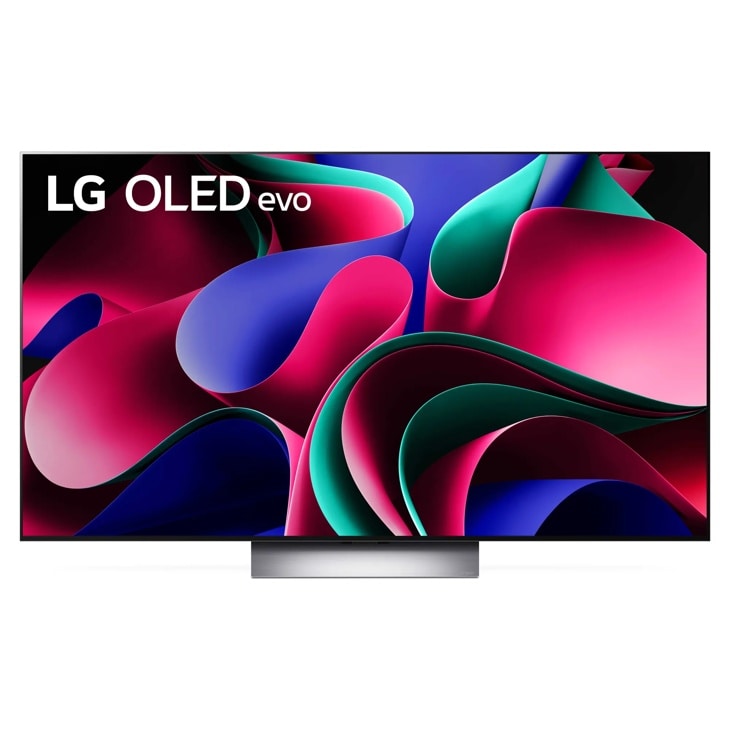
LG OLED evo G3 65 Inch Class 4K OLED TV 2023
A wall-mounted film setup is a supported fit because the G3 combines OLED, FILMMAKER MODE, the listed HDR formats and an included flush mount. Sound & Vision's small-window and full-field tests show why a peak number should
-
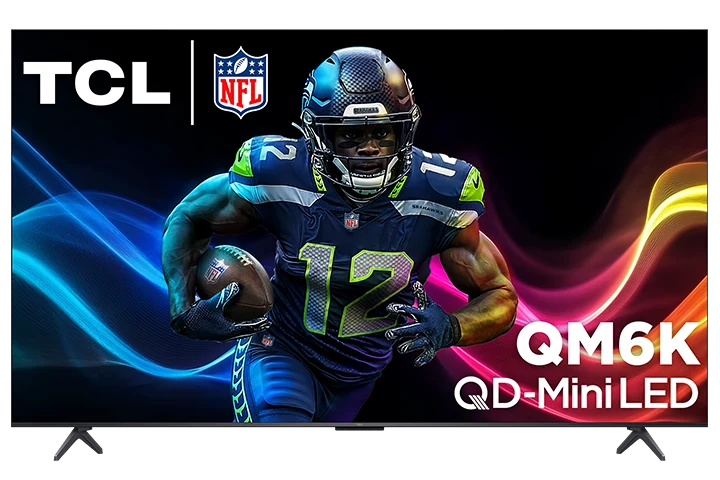
TCL 65" Class QM6K Series QD-Mini LED QLED 4K UHD HDR Smart Google TV (2025) - 65QM6K
The TCL QM6K suits buyers balancing price and performance in a living-room TV. Evidence supports easy daily use, a thin-bezel design, vibrant S
-
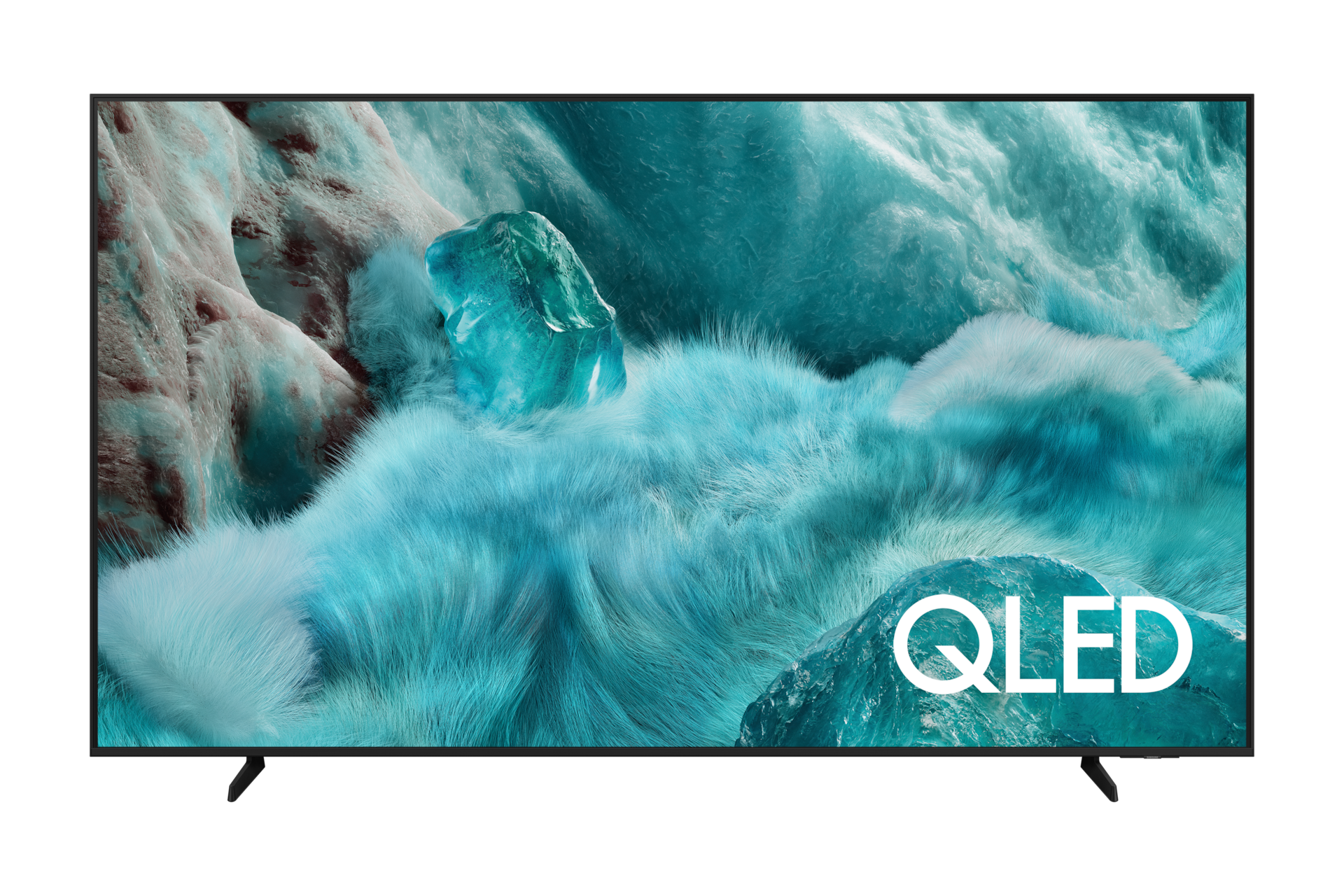
Samsung 65" Class Q7F Series QLED 4K UHD Smart Vision AI TV (2025) - QN65Q7FAAFXZA
The Samsung Q7F fits buyers seeking an affordable large QLED television with straightforward setup, solid build quality, three HDMI ports, and Tizen One UI. Ev
-
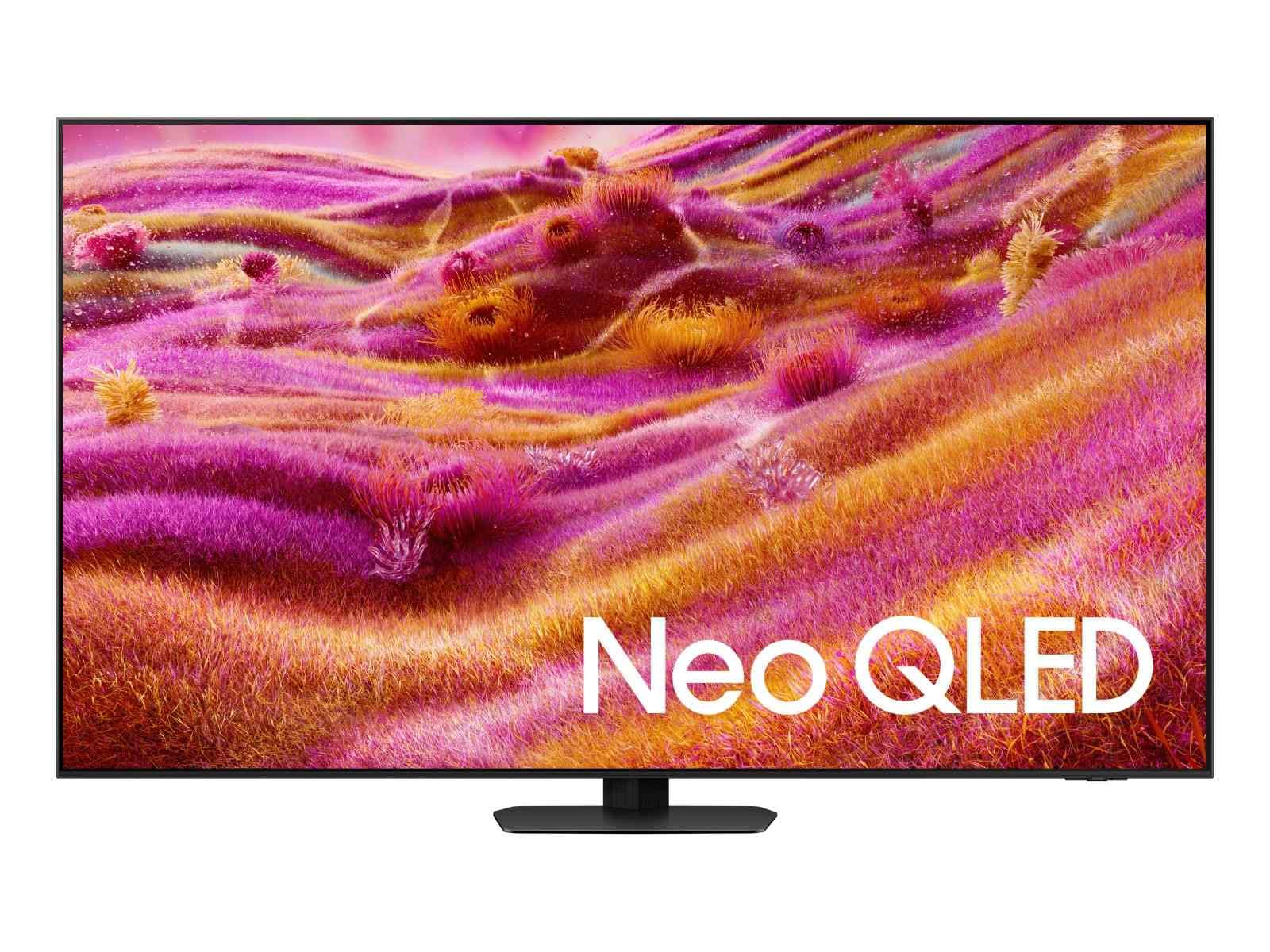
Samsung 65" Class QN90F Series Neo QLED 4K UHD Smart Vision AI TV (2025) - QN65QN90FAFXZA
The Samsung QN90F is a 65-inch-class Mini-LED quantum-dot television with measured brightness of 2,580 nits, a 165 Hz refresh rate and four HDM
-
Sony 65" BRAVIA 8 II QD-OLED 4K HDR Smart Google TV (2025) - K-65XR80M2
The Sony BRAVIA 8 II is supported here mainly as a high-brightness premium television with an independently measured HDR peak and a clear connectivity caveat. The available review evidence confirms a dedicated exact-model assessment and str
-
LG 77 Inch Class OLED evo AI G5 4K Smart TV 2025 with Supplied Wall Mount
The OLED77G5WUA combines the listed OLED display, Dolby Vision / HDR10 / HLG and webOS 25 with native 120Hz and variable refresh support up to 165Hz. A buyer should match the
Sources and method
- Sony K-75S30 Reference ManualManualsLib · retrieved 2026-09-28Manual
- Sony BRAVIA 3 Review: Picture Quality, Gaming and SizesTech Steve · retrieved 2026-09-28Editorial review
- Sony BRAVIA 3 75-inch K-75S30 SpecificationsSony · retrieved 2026-09-28DatasheetPDF
- BRAVIA 3 North American Reference Guide 5-057-930-11(1)Sony · retrieved 2026-10-08ManualPDF
- Sony BRAVIA 3 settings for every screen sizeTech Steve · retrieved 2026-10-08Editorial review
- Sony BRAVIA 3 Review: Strong Sony Color With Entry-Level LimitationsTech Steve · retrieved 2026-10-08Editorial review