Klipsch R-52C Powerful Detailed Center Channel Home Speaker - Black
The R-52C's documented center-channel role and Easy Home Theater's firsthand dialogue impression make it a reasonable audition candidate for a home theater. ChoiceCheck's treble warning means that buyers should evaluate vocal clarity and tonal comfort separately. The evidence supports a conditional fit, not a guarantee across rooms or seats.
Updated 2026-10-08

We may earn a commission from qualifying purchases.
Prices and sellers
No price information yet
Conditions and limitations
A wired center channel needs system equipment
- Capability
- Dedicated center-channel use
- Limitations
- Compatibility with every receiver model has not been established.
- Requirements
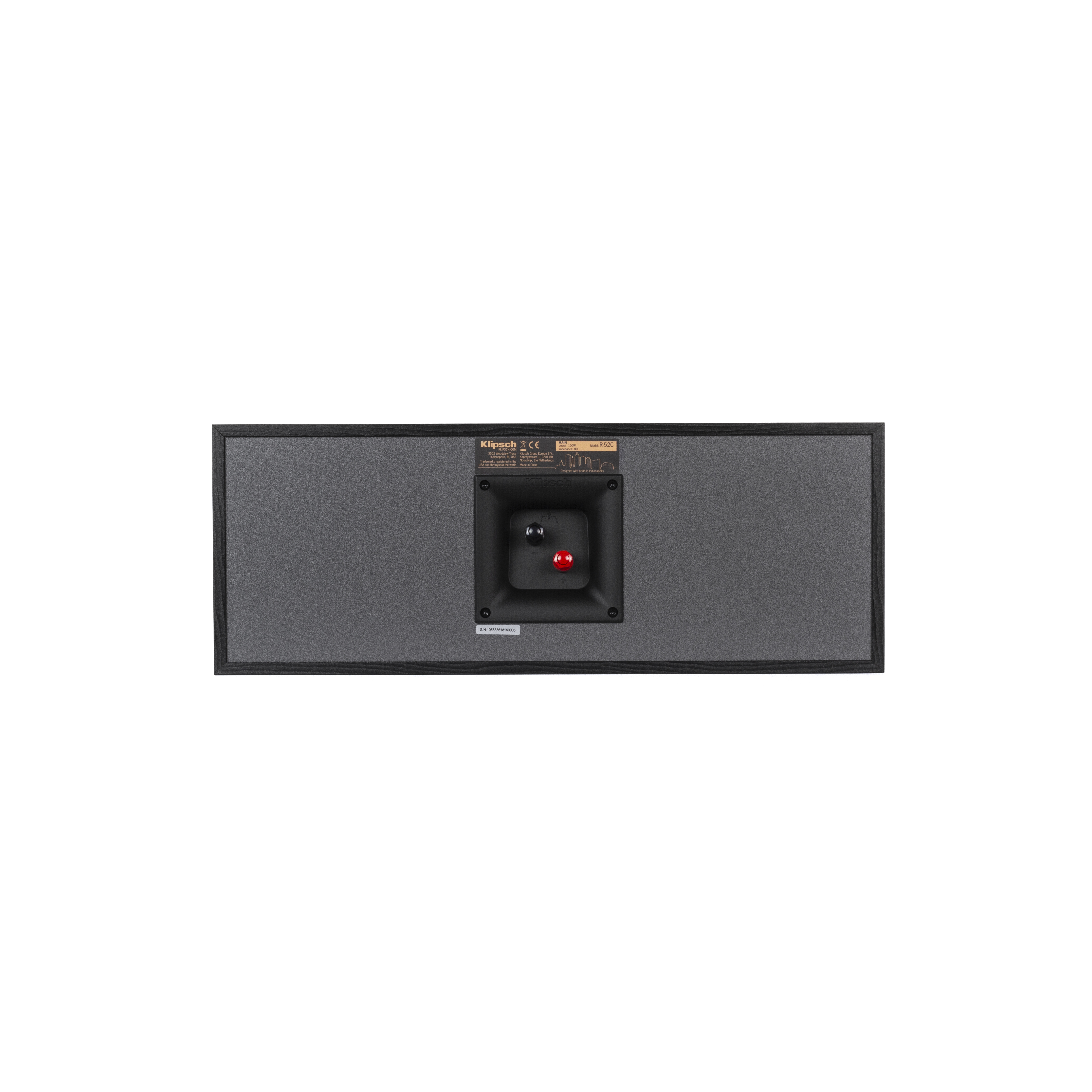
- Connect speaker wire to the receiver.
Compatibility
Receiver connection is documented, exact pairings remain open
- Connection
- Speaker wire to receiver
- Functions
- Center-channel audio
- Notes
- The source describes connection steps, not a controlled compatibility test of named receiver models.
- Protocol
- Speaker-level wired connection
- Result
- partial
- Source device
- Receiver model not specified
- Target device
- Klipsch R-52C
Where sources differ
Aluminum specification versus titanium review wording
- Explanation
- Use the manufacturer aluminum specification; the review wording does not establish an alternate hardware revision.
- Status
- explained
Reported issues and fixes
A treble preference caveat is documented; no confirmed defect, affected hardware revision, or verified repair was established.
Care and support
Manufacturer replacement and retailer-specific discontinuation are documented, but parts availability, warranty eligibility, repairability, and support-end dates remain unverified.
Who it suits
Choose after checking dialogue and treble comfort
- Check before buying
- Audition familiar dialogue scenes.
- Confirm the exact R-52C model and seller condition.
- Constraints
- Existing receiver connection and furniture space.
- Needs
- A dedicated center channel for a home theater.
- Reason
- The reported listening benefit is relevant, but the intended buyer must assess tonal comfort and installation fit.
- Tradeoffs
- Reported dialogue clarity comes with a possible treble preference caveat.
- Assessment
- conditional
Areas not yet researched (1)
No conclusion is available for these areas. This does not mean the Product has no limitations or reported issues.
- Ownership costs
Reviewer consensus
Single-source notes
The review
Klipsch R-52C: dialogue-focused center-channel use
Intended role
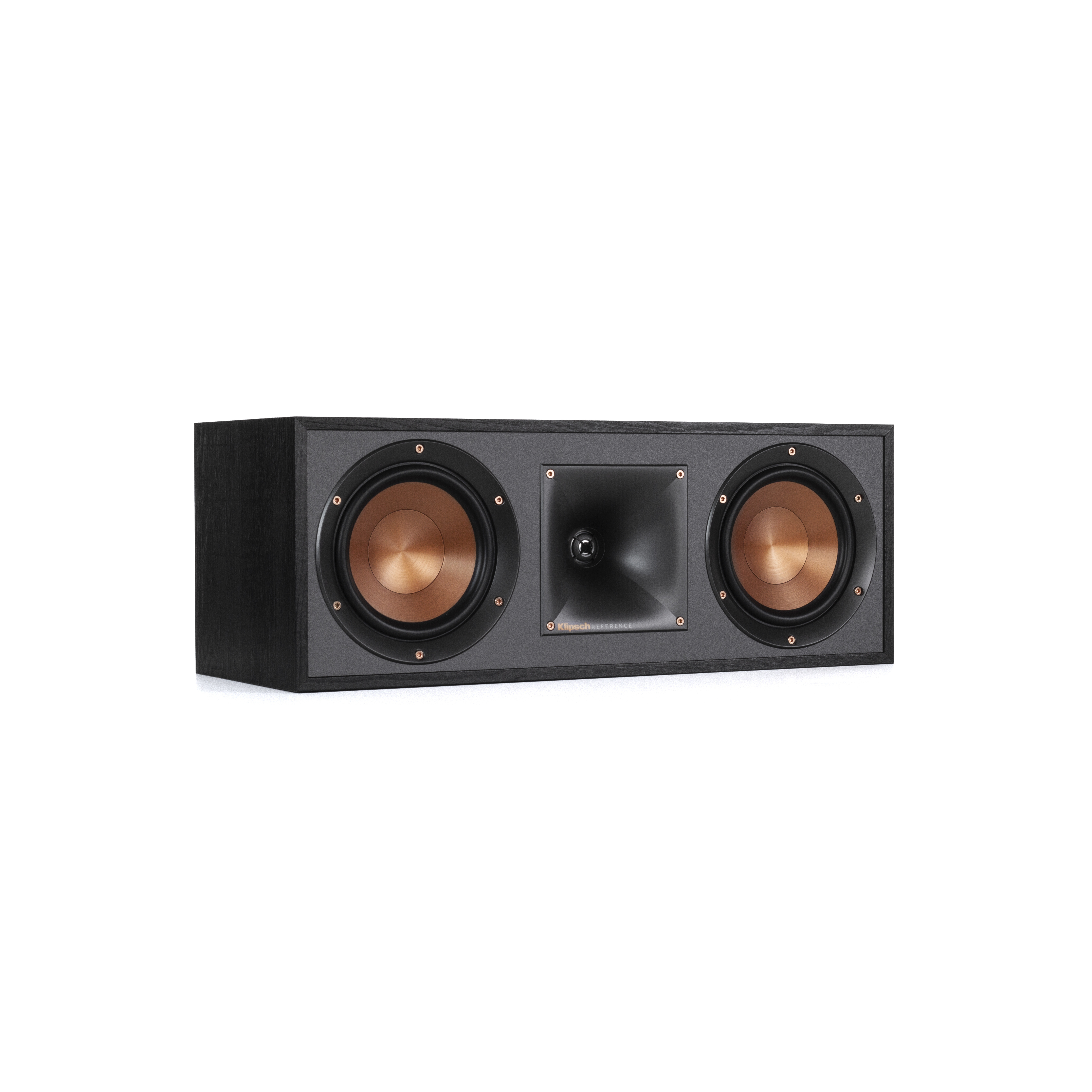
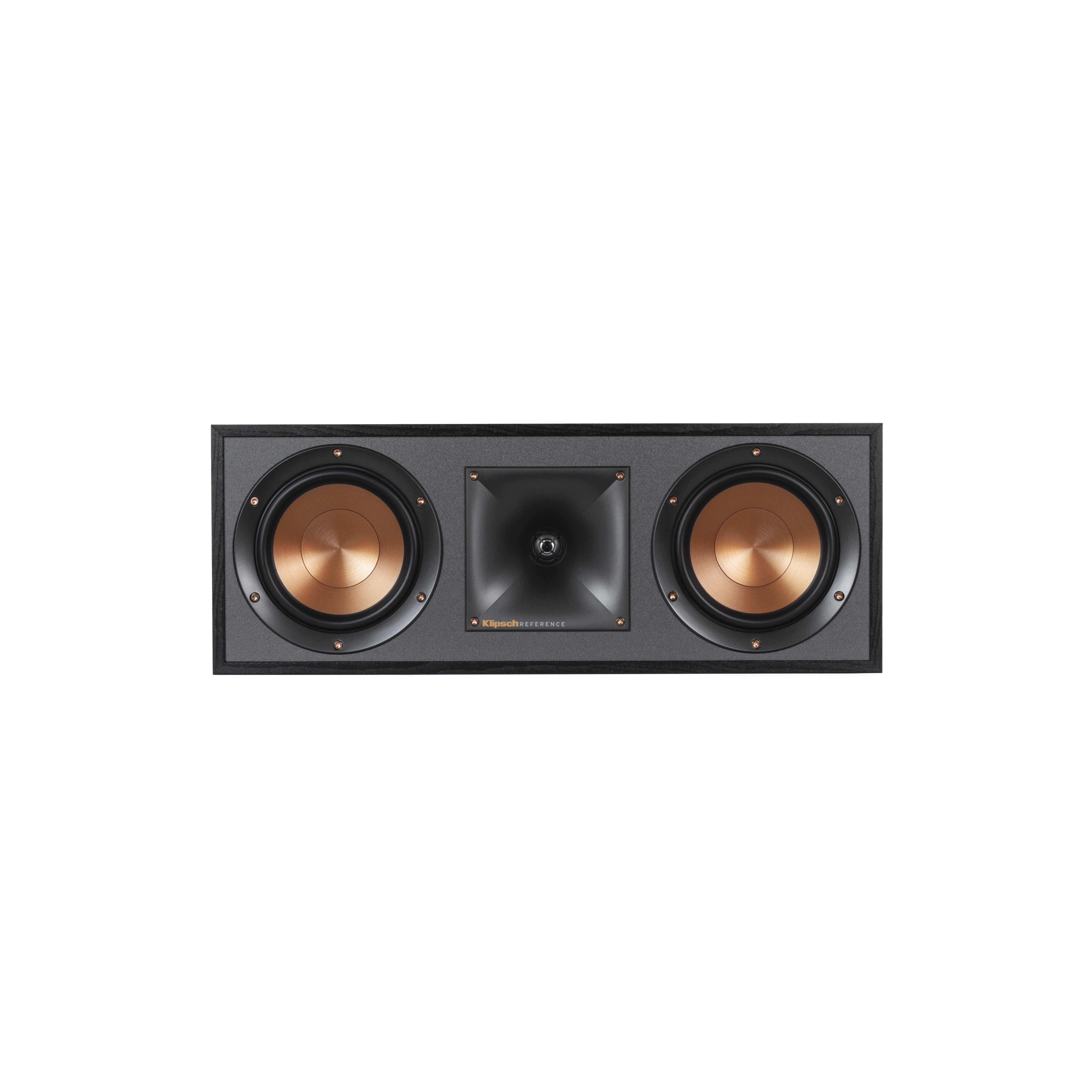
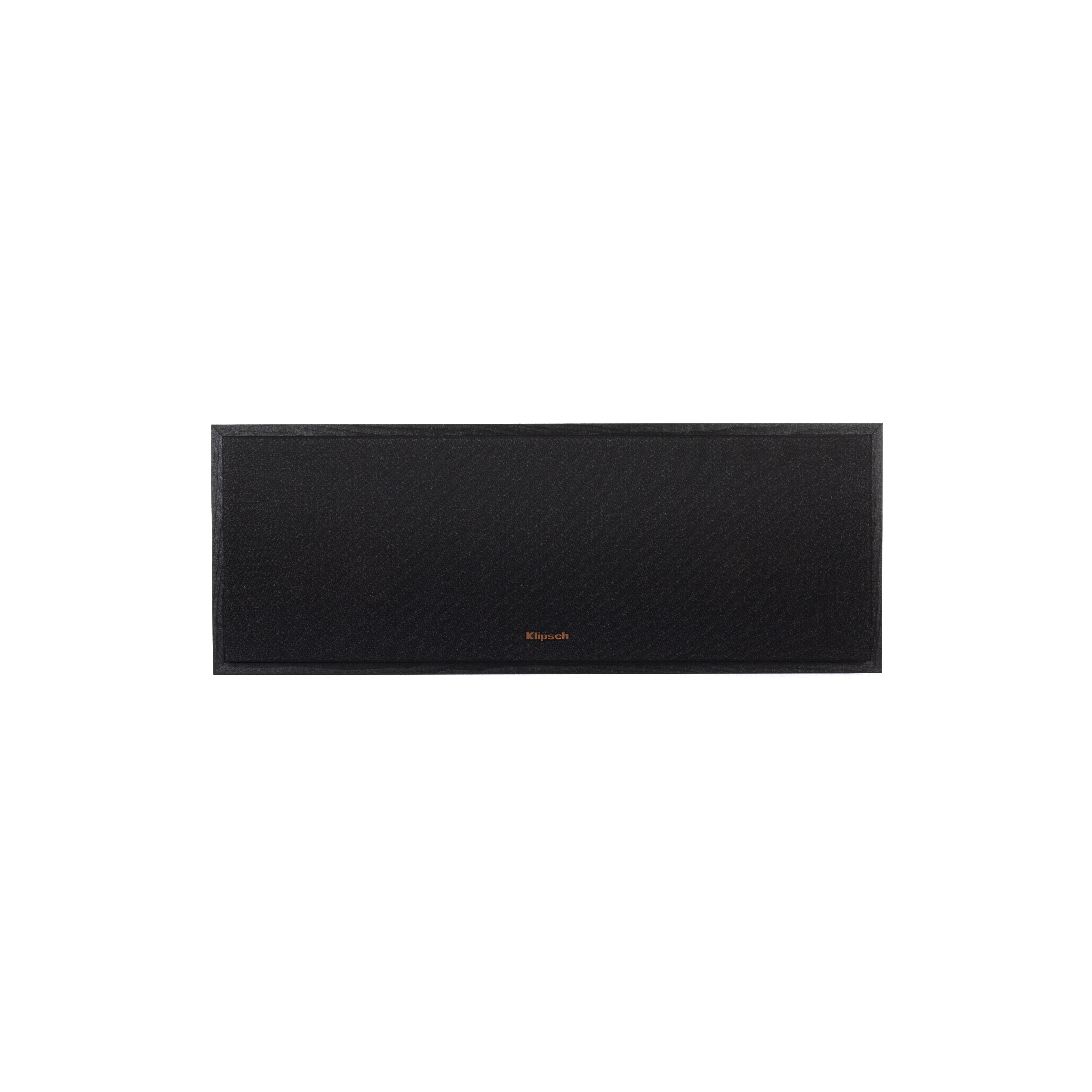
The Klipsch R-52C is a dedicated center-channel speaker. Its purpose should be the first buying check: this is a component for a home theater system, with a specific role in the front soundstage. Buyers searching for clearer screen-centered speech can therefore consider it within a system upgrade, while buyers seeking a complete audio solution should first establish what other equipment their installation needs. The manufacturer identifies an aluminum LTS tweeter and a removable magnetic grille. These are documented construction features; they do not establish an independently measured level of distortion or a guaranteed improvement in every room. The removable grille gives the owner a choice of appearance without changing the product identity. Klipsch also documents a closed-back design. That feature makes the cabinet design relevant when planning a shelf installation, but it should not replace a physical fit check. Before choosing a position, compare the actual opening, screen clearance, and support surface with the manufacturer's dimension information. A center speaker that fits the intended system still needs to fit the intended furniture. Treat the R-52C as a defined system component rather than expecting the model name alone to answer every installation question. [6]
Dialogue presentation
Easy Home Theater describes character voices remaining easy to hear alongside sound effects. This is useful firsthand listening evidence for the R-52C's intended dialogue role. The review presents an account of the listening experience rather than a controlled intelligibility test. A buyer can use it as a reason to audition the speaker with familiar films, especially scenes where voices compete with effects, but should not read it as a guarantee that every difficult soundtrack will become clear. The original research's dialogue observation remains meaningful, with the reviewer's attribution preserved. A practical audition should ask two separate questions: can you follow speech comfortably, and do you enjoy the overall tonal presentation? Clear articulation and an enjoyable treble balance are related buying concerns, but one does not automatically prove the other. Listen from the seats you normally use and with the content you actually watch. This recommendation follows the limited scope of the review evidence: it supports a reported dialogue advantage, while a separate source raises a possible treble preference issue. Neither source supplies a standardized measurement that resolves your own listening preference in advance. [2], [1]
Treble limitation
ChoiceCheck warns that some users may find the highs too pronounced. The important qualification is 'some': this is a reported listening caveat, not evidence that every R-52C sounds harsh in every installation. Buyers who prefer a restrained upper range should take that warning seriously enough to audition the model. Buyers who enjoy a more prominent presentation may reach a different conclusion. The evidence supports a preference-sensitive decision rather than a universal positive or negative verdict. The reviewer's praise for dialogue and the treble caveat can coexist. They describe different aspects of the experience, so there is no need to erase either one to make the article sound decisive. The useful decision is whether the balance works for the intended listener. No independent response curve, distortion test, or listening-window measurement was verified in this refresh. Consequently, the article does not turn a subjective description into a quantified acoustic problem, and it does not claim uniform performance across a wide sofa. Those unresolved questions remain evidence gaps for buyers whose decision depends on measured behavior. [2], [1]
Specifications are not measured performance
Sound Review Hub repeats a frequency-response specification of 89 Hz to 21 kHz and a power-handling figure whose continuous component is 100 W. These numbers are recorded as reviewer-stated specifications, not results of that publication's own laboratory measurements. The distinction matters when comparing products: a listed bandwidth does not describe the complete response shape, and a power-handling rating does not tell you the clean sound level delivered at your listening position. The upper frequency value is stored in canonical hertz and displayed in kilohertz for readability. [8]
This refresh does not add any physical benchmark measurement. It also avoids treating a review score as an acoustic metric. The specification figures provide context for the product's documented design, but they cannot settle maximum output, bass quality, or amplifier behavior in a particular room. Buyers who require those answers should look for an exact-model test with a stated method and conditions. Secondary summaries can be helpful leads, yet their numbers deserve a provenance check; the same review contains conflicting wording about the tweeter material, which is another reason to distinguish its repeated specifications from independently established performance. [8]
Generation context and long-term questions
Klipsch's 2022 Reference lineup announcement identifies the R-50C as replacing the R-52C. That establishes the model's place in the product family and helps buyers distinguish this listing from the newer name. It does not establish a support-end date, a parts-supply commitment, or a measured performance advantage for the successor. This article remains about the assigned R-52C; it does not import the newer speaker's features into the older model. A familiar family name is not enough to establish identical hardware. [3]
For an older model, seller condition and after-sale arrangements can matter as much as the family label. The Wires Zone marks its own R-52C listing discontinued, but that statement belongs to that retailer. It should not be expanded into a claim that no R-52C can be purchased anywhere or that Klipsch has ended all support. Before committing, verify the seller's exact item, condition, included accessories, warranty terms, and return arrangements. No current price or monetary ownership estimate is supplied here. Manufacturer replacement information and retailer listing status answer different questions, and both must retain their original scope. [5], [3]
Resolving the tweeter description
Klipsch identifies the R-52C tweeter as aluminum. Sound Review Hub also uses titanium wording, despite referring elsewhere to an aluminum LTS tweeter. The manufacturer specification is used for the product record, and the conflicting review wording is preserved as a documented source discrepancy. This is a description conflict; it is not evidence that a different hardware revision exists. Buyers should not assume they are receiving a titanium variant merely because a secondary review uses that term. The exact assigned R-52C identity remains unchanged. [6], [8]
The practical benefit of resolving that conflict is a more reliable comparison. If material is part of your buying decision, compare the manufacturer's specified component rather than a review's inconsistent label. A similar discipline applies to general promotional language: construction details can be stated confidently when documented, while claims about superior sound need their own evidence. Checking the exact model on the product label and order description helps prevent a summary of one speaker generation from being mistaken for another. The evidence here does not justify inferring an undocumented regional variant, alternate tweeter, or special edition. [6], [8]
Buyer questions
Before you buy
What is the R-52C designed to do?
Klipsch identifies it as a dedicated center-channel speaker. Evaluate it as a component of a home theater system and verify the equipment and physical space your installation requires. [6]
Does it help dialogue remain audible?
Easy Home Theater reports that character voices remain easy to hear alongside effects. This is the reviewer's listening impression, not a standardized intelligibility measurement or a guarantee for every soundtrack. [2]
Who is the clearest fit for this speaker?
A home theater buyer seeking a dedicated center channel and willing to evaluate the reported treble caveat. The fit remains conditional on the actual installation and personal listening preference. [6], [1]
Is the R-52C the same model as the R-50C?
No. Klipsch identifies R-50C as the replacement in its 2022 Reference lineup. Do not transfer the successor's features to this R-52C record or interpret replacement as a confirmed support-end date. [3]
Limitations
What sound limitation should buyers consider?
ChoiceCheck says some users may find the highs too pronounced. Audition it if you prefer restrained treble; the report does not establish a universal defect or a measured response curve. [1]
Are the bandwidth and power figures laboratory measurements?
No. The recorded 89 Hz to 21 kHz range and 100 W continuous power-handling figure are repeated specifications from a review. No physical benchmark measurement was verified in this refresh. [8]
Product images
Facts and specifications
Manufacturer datasheet
| Specification | Value | Source |
|---|---|---|
| Acoustic Design | Removable magnetic grille | [6] |
| Enclosure Type | Closed Back Design | [6] |
| Generation | R-50C replaced R-52C in the 2022 Reference lineup | [3] |
| Materials | Aluminum LTS tweeter | [6] |
| Speaker Type | Center Channel Speaker | [6] |
Stated by reviewers
| Specification | Value | Source |
|---|---|---|
| Highest Frequency | 21 kHz | [8] |
| Lowest Frequency | 89 Hz | [8] |
| Power | 100 W | [8] |
| Setup Requirement | Connect speaker wire to a receiver | [2] |
Other facts
| Specification | Value | Source |
|---|---|---|
| Limitation | Some listeners may find the highs too pronounced. | [1] |
KnowSpec analysis
Dialogue benefits need a preference check
The R-52C's documented center-channel role and Easy Home Theater's firsthand dialogue impression make it a reasonable audition candidate for a home theater. ChoiceCheck's treble warning means that buyers should evaluate vocal clarity and tonal comfort separately. The evidence supports a conditional fit, not a guarantee across rooms or seats.
Method: Synthesis of manufacturer classification and attributed listening impressions; no physical benchmark inference.Visible information gaps
Missing information is shown rather than guessed.
- Topic:Dispersion And Listening Windownot found
- Topic:Room Placementnot found
- Topic:Sensitivity And Amplifier Matchingnot found
- Topic:Indoor Outdoor Durabilitynot found
- Source.Manufacturernot public
- Topic:Valuenot found
- Topic:Dispersion And Listening Windownot found
- Topic:Bass Extension And Outputnot found
- Topic:System Integrationnot found
- Topic:Tonality And Frequency Responsenot found
- Topic:Experience Qualitynot found
Products in this content
-
Polk Audio Atrium 5 Outdoor Speakers with Powerful Bass (Pair, Black)
A permanent wired patio system is the supported buyer fit, but the owner report of poorer sound outside the canopy makes seating position a practical constraint. Use the adjus
-
Klipsch THX-5002-L In-Ceiling Speaker
The THX-5002-L offers a documented ceiling-integrated design, THX Ultra2 certification and a paintable grille, making it a conditional fit when appearance and installation are central to the brief. Its frequency range, impedance, sensitivit
-
Edifier T5 Powered Subwoofer
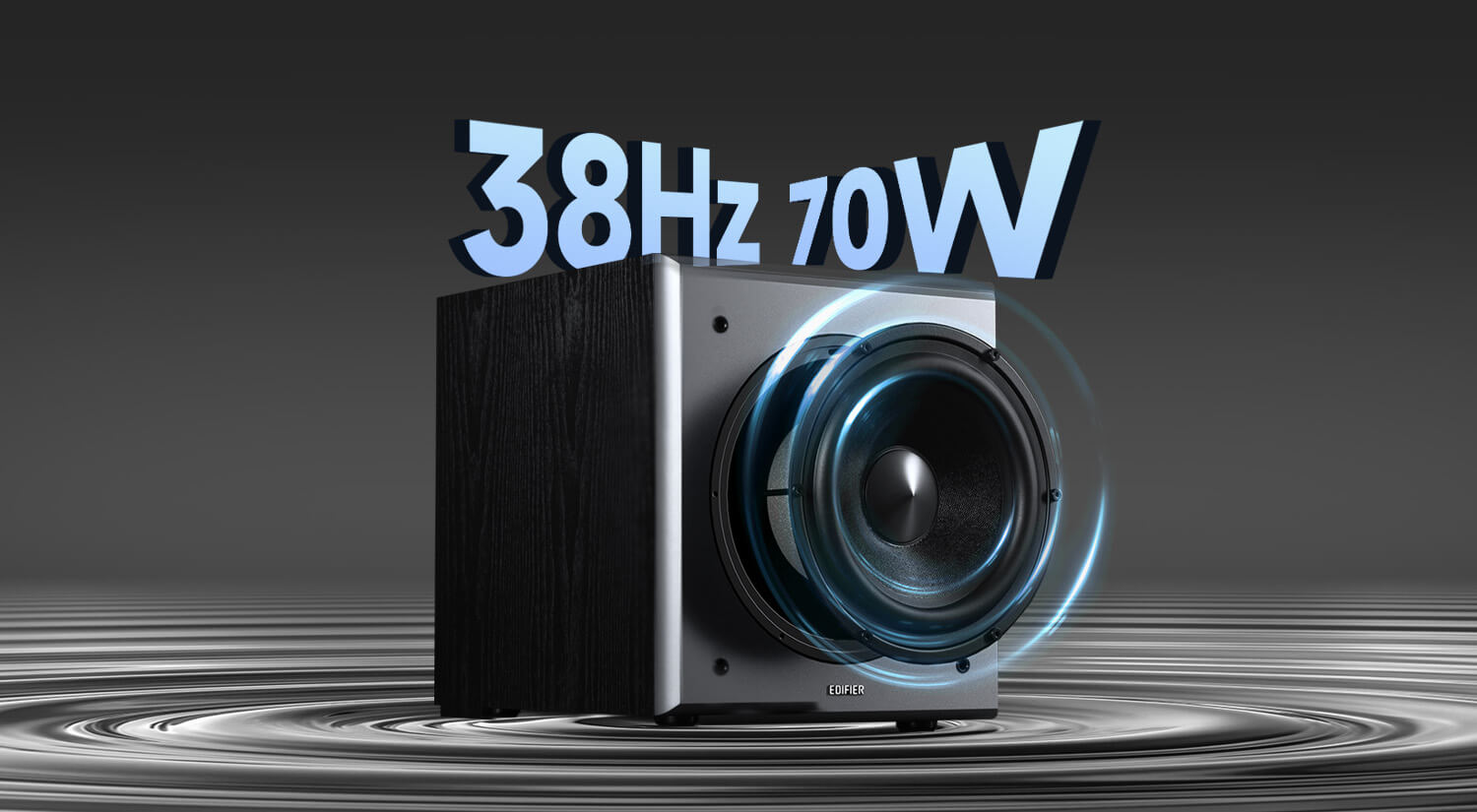
The Edifier T5 is a sensible add-on for home listeners who want audible bass impact in music, movies, and games. Its published 38–160 Hz range, 70 W RMS output, and RCA Signal In/Out pass-through support straightforward integration. Plan sp
-
Klipsch RP-8000F II 2.0 Dual Floorstanding Speaker Pair (Walnut)
The RP-8000F II fits a fixed stereo or surround installation where the owner can aim the cabinets toward a main seat and check adjacent seats. Stable imaging in Clements' revi
-
JBL Authentics 500 Black
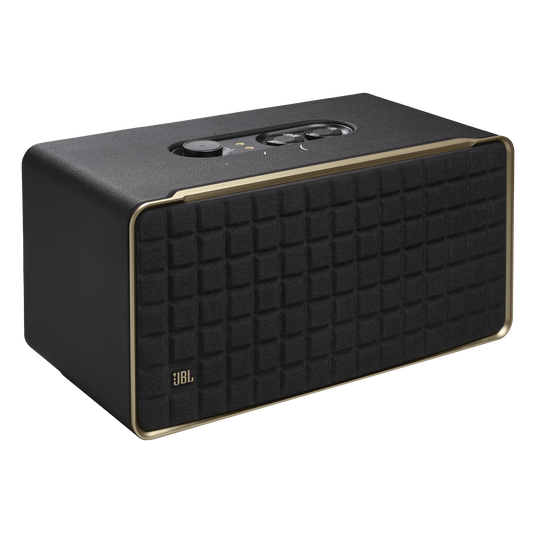
The JBL Authentics 500 suits home listeners who want a single mains-powered smart speaker with room-filling output, built-in Wi-Fi streaming, automatic room adjustment, and a bold retro design. Reviews support its engaging sound, balanced o
-
Bose SoundLink Max Portable Speaker, Black
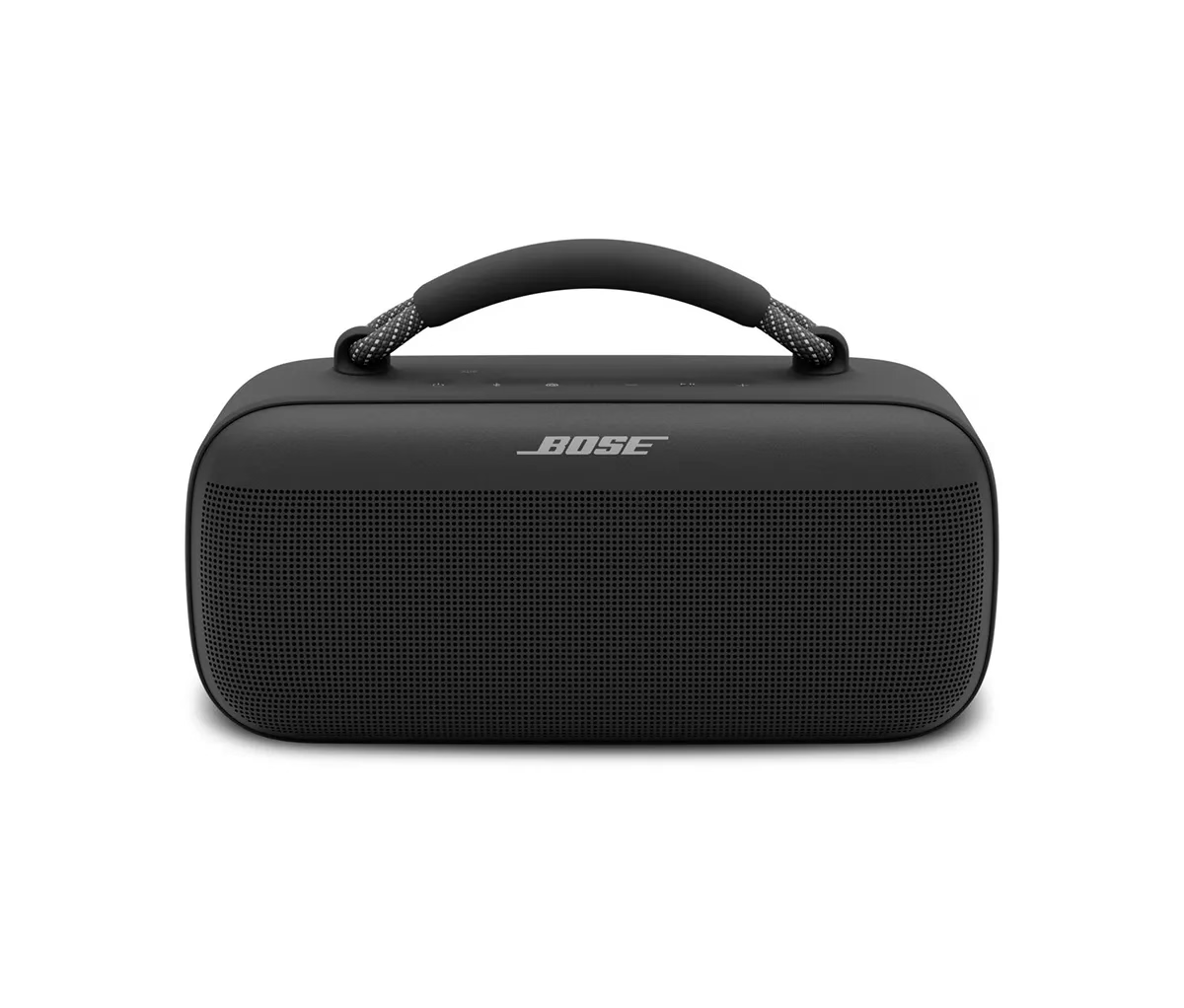
The Bose SoundLink Max suits buyers who want premium portable sound with strong bass, an IP67 enclosure and up to 20 hours of battery life. Its 2.13 kg weight and five-hour recharge make it more transportable than pocket-por

Sources and method
- Klipsch R-52C Speaker ReviewChoiceCheck · retrieved 2026-10-08Editorial review
- Klipsch R-52C ReviewEasy Home Theater · retrieved 2026-09-27Editorial review
- Next-Generation Reference Speakers: What’s the Difference?Klipsch · retrieved 2026-10-08Manufacturer
- Klipsch R-52C customer reviewsWoot · retrieved 2026-09-27Owner community
- Klipsch Reference R-52C Center Channel SpeakerThe Wires Zone · retrieved 2026-10-08Retailer listing
- R-52C Center Channel SpeakerKlipsch · retrieved 2026-10-08Manufacturer
- Klipsch R-52C Speaker ReviewChoiceCheck · retrieved 2026-09-27Editorial review
- Klipsch R-52C ReviewSound Review Hub · retrieved 2026-10-08Editorial review