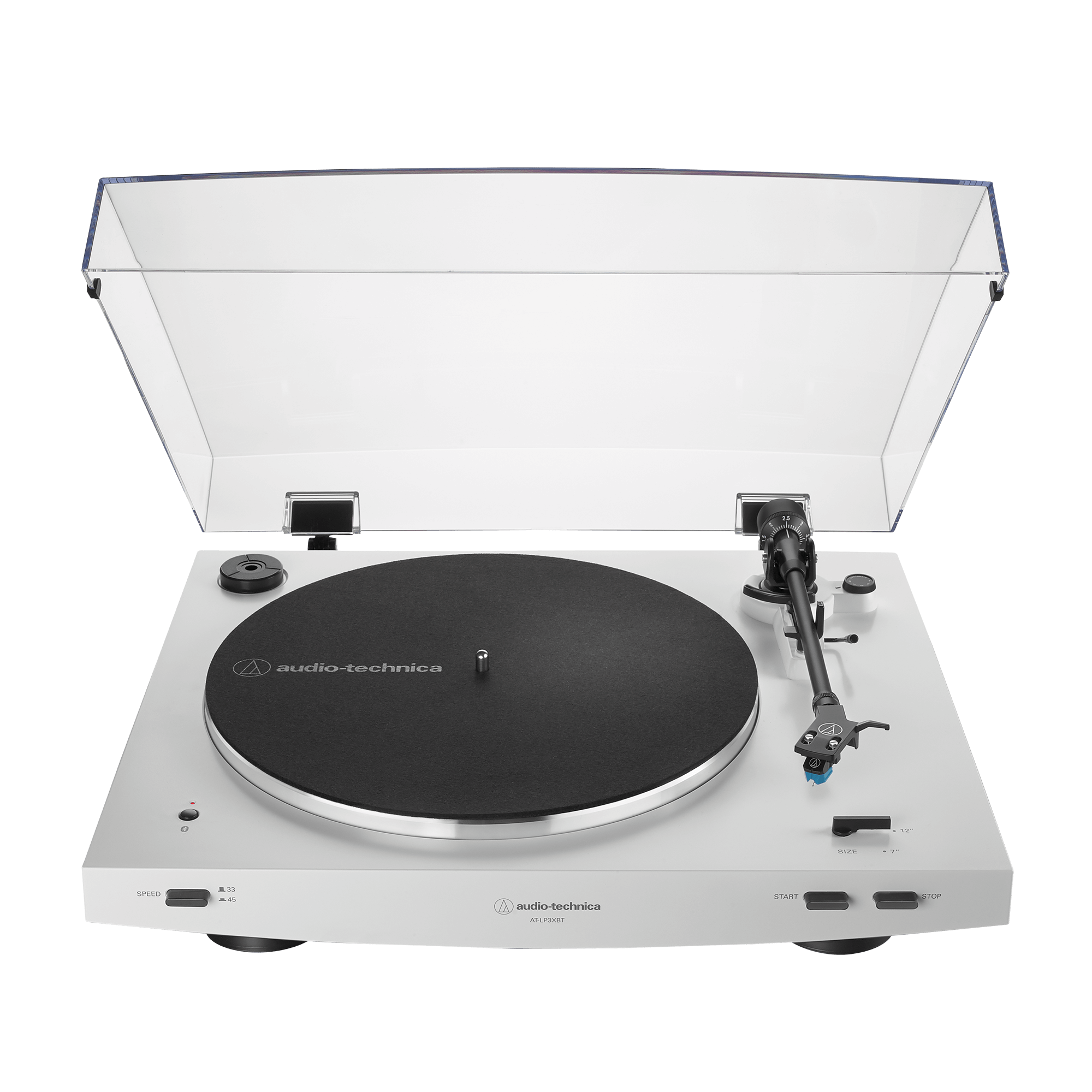
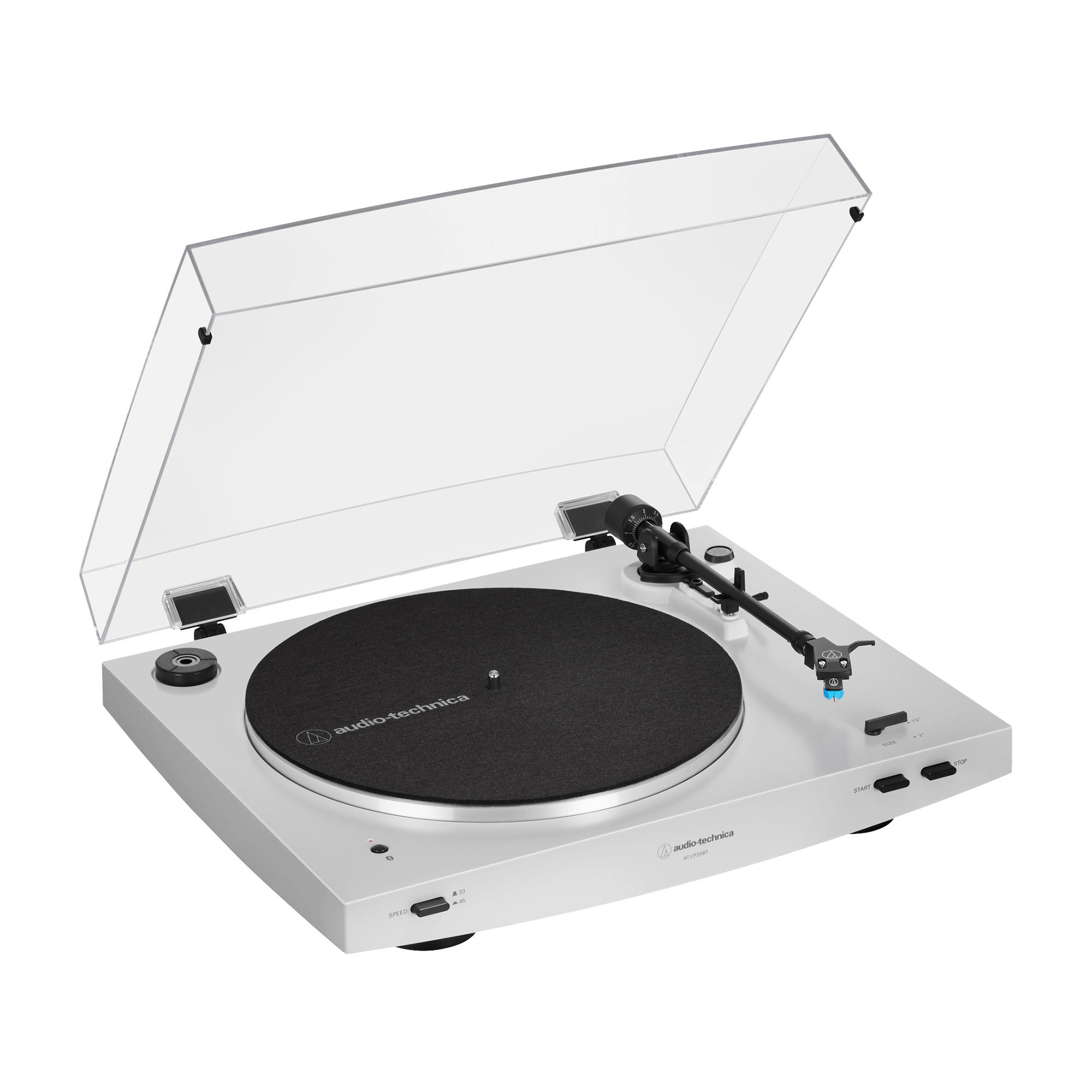
Audio-Technica AT-LP3XBT-WH Fully Automatic Wireless Belt-Drive Turntable (White)
Automatic operation and a built-in phono stage suit listeners who value simpler handling. Sound Matters describes warm, smooth listening with the stock stylus, while Modernhifi judges the integrated phono output average. These are reviewer opinions. Manual cueing remains necessary for 10-inch records, and independent numeric speed accuracy remains unverified.
Updated 2026-10-11

We may earn a commission from qualifying purchases.
Prices and sellers
No price information yet
Areas not yet researched (7)
No conclusion is available for these areas. This does not mean the Product has no limitations or reported issues.
- Conditions and limitations
- Compatibility
- Where sources differ
- Reported issues and fixes
- Care and support
- Ownership costs
- Who it suits
Reviewer consensus
Single-source notes
- Automation and controls: Debated · 1 v 1 · [6], [4]
- Build quality: Agreed · 1/1 · [1]
- Buyer fit: Agreed · 1/1 · [2]
- Comfort & usability: Agreed · 1/1 · [2]
- Sound / experience quality: Agreed · 1/1 · [4]
- Isolation and rumble: Agreed · 1/1 · [1]
- Limitations: Weak point · 1/1 · [1]
- Phono stage and outputs: Agreed · 1/1 · [6]
- Setup and adjustability: Mixed · 1/1 · [6]
- Tonearm and cartridge: Agreed · 1/1 · [6]
- Tracking force and alignment: Mixed · 1/1 · [6]
- Upgradeability and service: Agreed · 1/1 · [2]
The review
Audio-Technica AT-LP3XBT buyer guide
Listening experience and build
The Audio-Technica AT-LP3XBT is worth considering when straightforward record playback matters more than extensive manual involvement. Sound Matters explicitly reviewed the white version, making that listening account relevant to the finish assigned here. Its description of the stock stylus emphasizes warmth and a smooth upper register. Treat that as a listener's impression rather than a measured frequency-response curve. The inherited Modernhifi evidence also describes a damped base and aluminium platter, but those construction observations do not establish a numerical improvement in noise or speed stability. Together, the sources support a convenience-oriented buying case while leaving objective performance questions open. A beginner can reasonably prioritize manageable operation, but should avoid reading the positive listening language as a guarantee that every recording, speaker system or room will sound the same. The distinction matters because an appealing presentation and a verified laboratory result answer different questions. This guide keeps those evidence categories separate instead of converting reviewer enthusiasm into a technical specification. [2], [1], [4]
Automatic operation and connections
The inherited manufacturer manual confirms a built-in phono equalizer and describes the stop control returning the tonearm to its rest while stopping the platter. These are useful everyday conveniences, especially when the listener wants less handling at the end of playback. They do not remove the need to choose a compatible signal path. A system using the internal phono stage and a system using an external one should be planned around the equipment actually connected, rather than assuming that every input serves the same purpose. Before buying, identify which part of the existing system will provide phono equalization and follow the product manual for the connection setting. Also consider the records in the collection: Sound Matters specifically reports that 10-inch records require manual cueing. Automatic operation therefore does not mean that every record format uses the same start procedure. Someone who frequently plays that size should judge the manual handling as part of the normal ownership experience, even if automatic return remains attractive for everyday listening. [6], [4]
Measured specification and limits
The inherited manufacturer manual specifies wow and flutter below 0.2% WRMS at 33 RPM using a 3 kHz reference. The less-than sign and the stated conditions are part of the specification, so the number should not be presented as an exact measured result. No independent numeric speed-accuracy experiment was established in this research pass. Record Player Hub, a secondary catalogue, instead lists a limit below 0.25%; that conflicting entry is recorded as a source discrepancy and is not substituted for the manual figure. It also cannot be treated as a second experiment simply because another website printed a number. For a buyer whose decision depends on speed performance, the missing evidence remains meaningful: this guide cannot supply a tested distribution across production samples, a measurement uncertainty, or results from a documented laboratory procedure. Comparing the two printed limits without that context would create more confidence than the sources justify. The manual remains the specification reference, while independently measured performance stays an explicit gap. [6], [5]
Modernhifi's inherited review describes the integrated phono output as average in sound quality. That limitation remains in the guide even though the broader listening account is favorable. It is a subjective judgement about the signal path, not a measured distortion or noise figure, and it does not prove that a particular external preamp will improve every installation. The useful buying question is whether the built-in stage provides the convenience the listener needs, or whether evaluating an external stage is already part of the planned system. Sound Matters' warm, smooth listening description likewise should not cancel the negative assessment or be used to create a universal ranking. Different observations can coexist without being forced into an artificial consensus. Buyers should retain both the convenience of an integrated stage and the reviewer's reservation when deciding what to audition. No numerical sound-quality score or laboratory benchmark is inferred from either account. [1], [6], [4]
Setup and adjustment
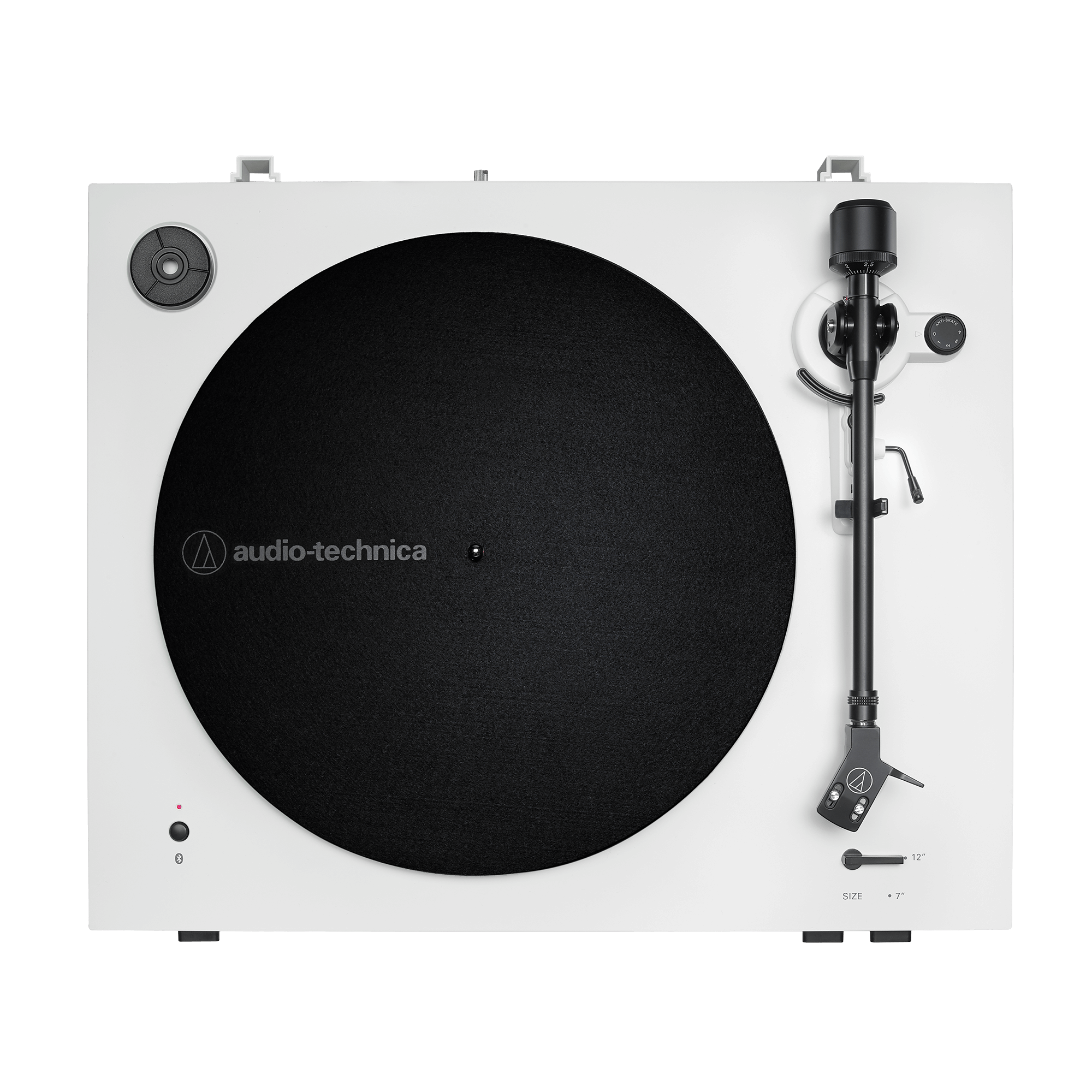
Initial setup still deserves attention. The inherited manual calls for a flat, level surface, and the supplied cartridge's tracking-force setting is 2.0 g. The associated setup guidance includes tonearm balance and matching anti-skate. Those steps belong before routine playback; the presence of automatic controls should not be interpreted as permission to skip them. The static-balanced straight tonearm gives the user an adjustment process, so keep the manual available and check the installed cartridge before applying any setting remembered from another model. The upgrade evidence supports later stylus or cartridge changes, but a change is also a reason to revisit the applicable setup instructions. The original 2.0 g setting describes the supplied cartridge, not every replacement someone might fit. For a new owner, the practical sequence is to establish the correct starting configuration, become familiar with operation, and only then evaluate an upgrade. This separates a documented route for changing components from an unsupported promise that every replacement will be suitable or sound better in every system. [6], [2]
Check the exact version and evidence
Keep regional references separate when checking the final purchase. The additional Japanese manufacturer page is explicitly labelled AT-LP3XBT BK. It is useful as a manufacturer reference for that regional black model, but it does not establish the contents, warranty or service terms of the US white package. The white finish is directly identified in the Sound Matters review; that still does not turn a review sample into an inspection of the exact unit a retailer will ship. Verify the model suffix and local documentation with the seller when package details matter. The discrepancy in the secondary catalogue is another reason to trace important specifications back to their original context. This evidence set supports a practical first-turntable use case, but it does not justify filling unverified regional details from a similarly named product. A useful decision preserves the distinction between model-family information, the reviewed finish and the specific package being purchased. [2], [4], [5], [3]
Buyer questions
Before you buy
Compatibility
Setup
What setup work is required?
Use a level surface, balance the tonearm, set the cartridge tracking force, and match the anti-skate control before regular playback. [6]
Everyday use
What does the automatic mechanism do?
The verified manual states that the stop control returns the tonearm to its rest and stops the platter. [6]
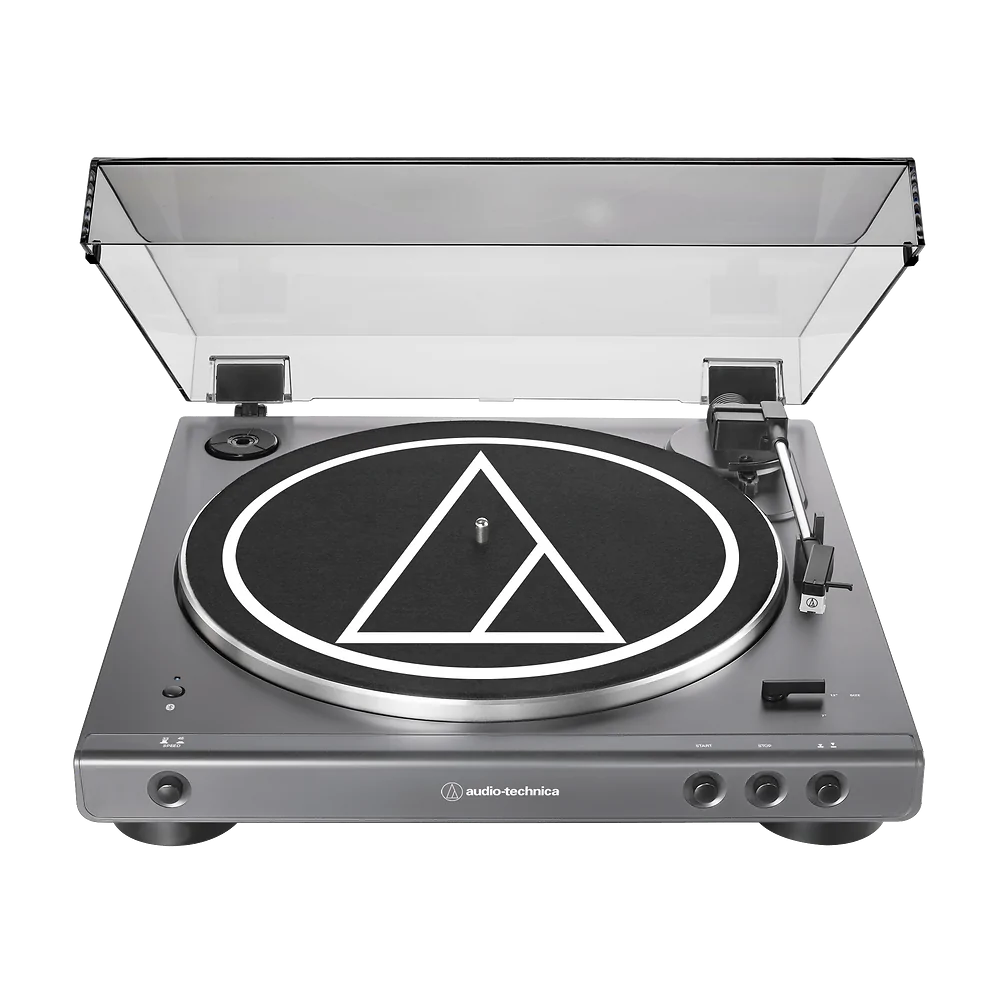
Product images
Facts and specifications
Manufacturer manual
| Specification | Value | Source |
|---|---|---|
| Automation | Automatic start and tonearm return US | [6] |
| Built-In Phono Preamp | Yes US | [6] |
| Tonearm Type | Static balanced straight tonearm US | [6] |
Other facts
| Specification | Value | Source |
|---|---|---|
| Buyer Fit | Suited to first-time vinyl buyers who value simplicity and flexibility. US | [2] |
| Limitation | Sound Matters reports that 10-inch records require manual cueing.; The integrated phono output was judged average in sound quality. US | [1], [4] |
| Setup Requirement | Place the turntable on a flat, level surface away from speakers. US; Set the supplied cartridge tracking force to 2.0 g and match anti-skate. US | [6] |
| Use Case | The removable headshell and cartridge family support later stylus or cartridge changes. US | [2] |
KnowSpec analysis
Who the AT-LP3XBT suits
Automatic operation and a built-in phono stage suit listeners who value simpler handling. Sound Matters describes warm, smooth listening with the stock stylus, while Modernhifi judges the integrated phono output average. These are reviewer opinions. Manual cueing remains necessary for 10-inch records, and independent numeric speed accuracy remains unverified.
Method: Operational synthesis from the verified manufacturer manual.Setup and adjustment
Setup requires a level surface, correct tonearm balance, tracking-force adjustment, and matching anti-skate. Once configured, automatic start and return reduce day-to-day handling, while the selectable phono stage supports direct connection to line-level equipment.
Method: Synthesis of inherited manual claims and explicitly attributed independent listening evidence.Visible information gaps
Missing information is shown rather than guessed.
- Topic:Speed Accuracynot found
Products in this content
-
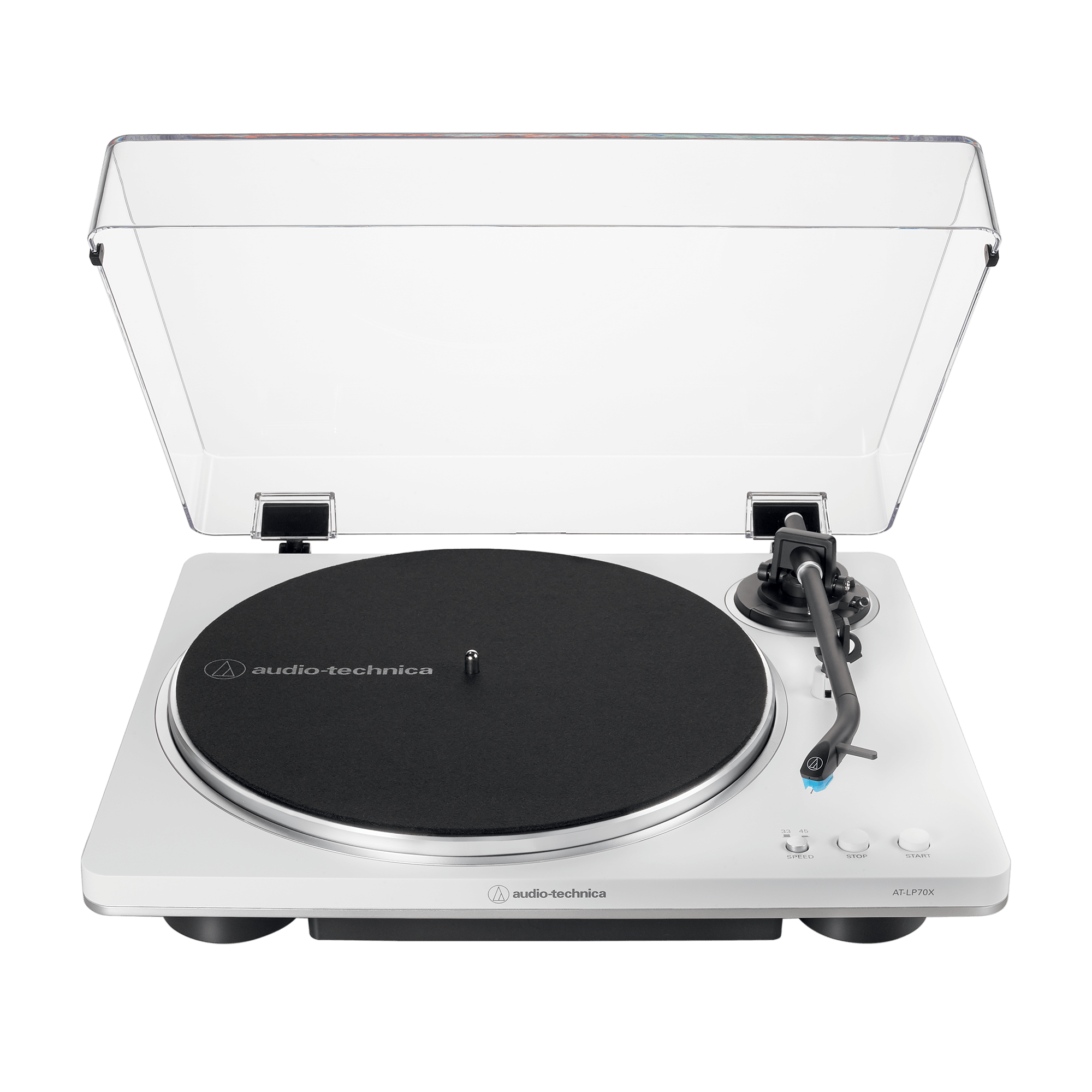
Audio-Technica AT-LP70X Fully Automatic Belt-Drive Turntable (White/Silver)
The AT-LP70X suits first-time vinyl buyers who want automatic start and return, 33-1/3 RPM and 45 RPM playback, and a built-in phono stage. Its fixed AT-VM95C c
-
Audio-Technica AT-LPGO-BT Fully Automatic Wireless Belt-Drive Turntable (Gun-Metal/Black)
The AT-LPGO-BT fits a home listening system when automatic start and return and Bluetooth or RCA connections are priorities. Choose the receivi
Sources and method
- Audio-Technica AT-LP3XBT Test: vollautomatischer PlattenspielerModernhifi · retrieved 2026-09-27Editorial review
- Audio-Technica AT-LP3XBT ReviewSound Manual · retrieved 2026-09-27Editorial review
- AT-LP3XBT BKAudio-Technica Japan · retrieved 2026-10-11Manufacturer
- Audio Technica AT-LP3XBT Review – Automatic Bluetooth TurntableSound Matters · retrieved 2026-10-11Editorial review
- Audio-Technica AT-LP3XBT turntableRecord Player Hub · retrieved 2026-10-11Other source
- AT-LP3XBT Automatic Wireless Turntable User ManualAudio-Technica · retrieved 2026-09-27ManualPDF