REOLINK Duo 3 PoE 16MP Dual-Lens 180° Panoramic Outdoor Security Camera
The Duo 3 PoE is a candidate for broad frontages and long walls when compatible wired power is available. Current manufacturer specifications, a qualified business-card observation and one reported Luma NVR integration support that role. Plate readability, exact recorder behavior and unmeasured alert metrics still require care.
Updated 2026-10-04

We may earn a commission from qualifying purchases.
Prices and sellers
No price information yet
Compatibility
Reviewer connected Duo 3 PoE to a Luma NVR
- Connection
- The reviewer discovered the camera and added it to the showroom NVR using its credentials.
- Functions
- Camera discovery and addition to the NVR
- Notes
- The report confirms this connection, not every recorder function or all Luma hardware and firmware combinations.
- Protocol
- ONVIF
- Result
- partial
- Source device
- Reolink Duo 3 PoE
- Target device
- Luma NVR, exact model unspecified
Areas not yet researched (6)
No conclusion is available for these areas. This does not mean the Product has no limitations or reported issues.
- Conditions and limitations
- Where sources differ
- Reported issues and fixes
- Care and support
- Ownership costs
- Who it suits
Measured performance
Reviewer business card near legibility distance
8 ftReviewer-reported visual observation of business-card text on an office desk, not a standardized test chart. · John Sciacca said he could almost read the text at eight feet. Font size, calibrated distance method, full imaging settings and repeatability were not reported. This is not a guaranteed recognition range.
Source [2]The review
Reolink Duo 3 PoE: panoramic coverage for broad outdoor areas
Coverage concept
The Reolink Duo 3 PoE is a wired panoramic camera for a broad scene, rather than a substitute for every kind of close-up surveillance. Its reported horizontal view is 180 degrees, while Reolink's current support specification gives a maximum output of 7680 by 2160 pixels at 20 frames per second. Those are product specifications, not measurements of how reliably a face or vehicle plate will be recognized. The useful buying question is whether one wide image matches the space you need to watch. OmniNVR's research-based assessment points to broad frontages, long walls and parking edges where conventional fixed-camera views would otherwise overlap. Treat that as a placement recommendation, then inspect the actual detail at the important parts of your proposed view before making the installation permanent. [6], [5], [4], [1]
Source roles need to stay clear when judging this camera. OmniNVR explicitly describes its assessment as research-based rather than a laboratory test. HomeCamCafe conducted a hands-on motion-detection comparison against the Tapo C675D; that comparator is not another Reolink camera. Neither the comparison's qualitative wording nor the camera's specification table supplies a measured false-alert percentage. The practical implication is to test the alert behavior at the intended location, with the subjects and boundaries that matter to you. A successful result in someone else's installation is useful evidence, but it does not establish performance under your lighting, traffic or recording settings. This article therefore separates manufacturer capabilities, individual reviewer observations and the remaining gaps instead of presenting them as one undifferentiated performance score. [1], [6]
Detection and connectivity
Plan the power arrangement before planning the final cable route. Reolink specifies active IEEE 802.3af PoE, and its quick-start guide lists a PoE switch, PoE injector or Reolink PoE NVR as power options. The same guide also allows a DC 12V power adapter, which is not included. A plain network connection should not be assumed to provide PoE power. For a new installation, first confirm which device will supply power and how the camera will reach the network. Keep the setup guide available during installation. Use those instructions for the exact camera, and check the intended live view and recording arrangement before committing to a mounting position. The important distinction is between an available installation option and a complete, already-provided recording system. [4], [3]
There is an independent, numerical field observation worth keeping separate from the advertised resolution. In Residential Systems, John Sciacca reported that he could almost read text on a business card on his desk eight feet from the Duo 3 PoE. The research records that distance as a reviewer-observed near-legibility result, not a standardized resolution test or a guaranteed identification range. The article does not give a test-chart specification, font size, calibrated distance instrument or complete imaging settings for that observation. HomeCamCafe, meanwhile, said it could not read vehicle plates reliably when zooming. Those observations concern different subjects and conditions, so they should not be forced into a direct numerical comparison. Together they support a sensible boundary: an impressive wide image is not sufficient proof that the particular small detail you need will be readable. [1], [2]
Evidence limits
Recording compatibility also needs a scoped answer. The current Reolink support page lists microSD support up to 512GB. That is a manufacturer capacity statement, not a retention-time promise. Residential Systems successfully added the Duo 3 PoE to a Luma NVR through ONVIF in the reviewer's showroom. This is useful evidence for that integration, but the exact recorder model, firmware combination and completeness of supported functions were not specified. The compatibility record therefore remains partial rather than claiming universal operation with every ONVIF recorder. Before depending on an existing recorder, verify discovery, live viewing, recording and playback with the intended stream. Keep the distinction between a successful connection and the complete behavior you require over an extended recording period; the latter has not been established for every recorder by this review. [4], [2]
For night use, the manufacturer's current specification explicitly includes color night vision with built-in spotlights. This corrects any expectation that the PoE model is necessarily restricted to monochrome footage. It does not establish a measured nighttime recognition distance, and a feature being available is not the same as a test of its results at your location. Reolink also lists IP67 weather protection. That is the published rating, not an independent long-term weathering trial performed in this research. Treat both features as starting points for an installation plan, then assess the required view and operating conditions. Quantified notification latency, false-alert rate, sustained recording reliability and real power consumption remain gaps in the evidence assembled here. The update does not fill those gaps by relabeling frame rate, a power standard or a marketing capability as an actual measurement. [4]
Reolink or wire-free Arlo
The final choice is primarily about coverage and installation fit. The Duo 3 PoE uses a wired network and power arrangement; HomeCamCafe confirms that this exact version has no built-in battery. Someone seeking battery-powered placement should therefore not assume that another Duo-branded variant describes this camera. Conversely, a site already prepared for compatible PoE and one broad view is the kind of application identified by the buyer-fit evidence. Make a short acceptance checklist before choosing: the required subject detail, the desired recording destination, the available power source and the intended night mode. Check each requirement against the exact product and the actual installation rather than relying on the panoramic label alone. The supported recommendation is a wide-area wired option with useful local-recording possibilities, subject to target-detail and recorder checks, not a promise of universal recognition or flawless alerts. [6], [4], [3], [1], [2]
Buyer questions
Before you buy
Compatibility
Setup
Everyday use
Which objects can it classify, and is accuracy quantified?
The official guide names people, vehicles and animals. HomeCamCafe compared detection against a Tapo C675D, but the reviewed evidence does not establish a numerical false-alert rate. [3], [1]
Does it offer color night vision?
Yes. The current manufacturer support specification includes color night vision with built-in spotlights. That capability does not establish a measured nighttime recognition distance. [4]
Limitations
Does the business-card observation prove reliable identification range?
No. The reviewer said he could almost read business-card text at eight feet in his office. It is a narrowly described field observation with incomplete test details, not a standardized resolution or identification-range measurement. [2]
Facts and specifications
Manufacturer datasheet
| Specification | Value | Source |
|---|---|---|
| Frame Rate | 20 fps | [4] |
| Interface | Active IEEE 802.3af PoE at 48V. | [4] |
| Local Storage | The current support specification lists microSD cards up to 512GB. | [4] |
| Night Vision | Color night vision is available with the built-in spotlights; this is a manufacturer capability statement, not a measured recognition range. | [4] |
| Resolution Height | 2160 px | [4] |
| Resolution Width | 7680 px | [4] |
| Water Resistance | IP67 manufacturer weather-protection rating. | [4] |
Manufacturer manual
| Specification | Value | Source |
|---|---|---|
| Power Source | PoE switch, PoE injector or Reolink PoE NVR; alternatively a DC 12V power adapter, which is not included. | [3] |
Stated by reviewers
| Specification | Value | Source |
|---|---|---|
| Compatibility | Residential Systems successfully added the Duo 3 PoE through ONVIF to a showroom Luma NVR; the exact recorder model and firmware were not specified. | [2] |
| Field of View | 180 ° | [5] |
| Power Source | This Duo 3 PoE model has no built-in battery. | [1] |
Other facts
KnowSpec analysis
A wide wired view, with target-detail checks
The Duo 3 PoE is a candidate for broad frontages and long walls when compatible wired power is available. Current manufacturer specifications, a qualified business-card observation and one reported Luma NVR integration support that role. Plate readability, exact recorder behavior and unmeasured alert metrics still require care.
Method: Separate manufacturer specifications from independent reviewer observations and research-based placement advice; keep numerical performance gaps explicit.Visible information gaps
Missing information is shown rather than guessed.
- Topic:Two Way Audio Qualitynot found
- Topic:Sustained Performancenot found
- Topic:Day Night Image Qualitynot found
- Topic:False Alert Ratenot found
- Topic:Weather Durability Outdoornot found
- Topic:Notification Latencynot found
- Topic:Mobile App Qualitynot found
- Topic:Efficiencynot found
- Topic:Subscription Cost And Locked Featuresnot found
Products in this content
-
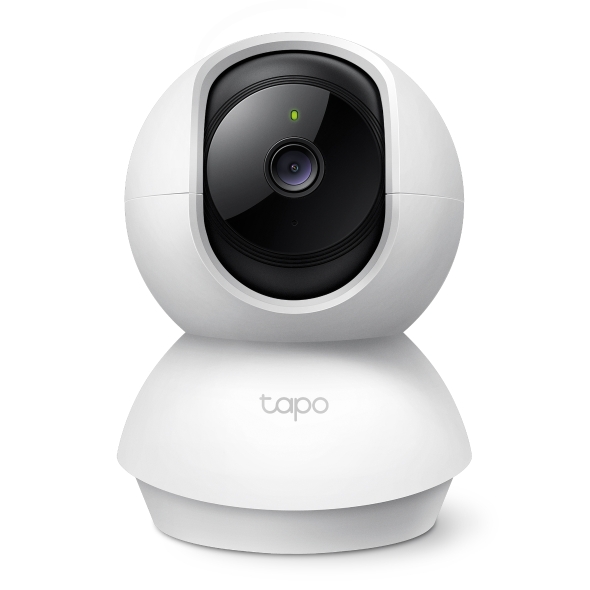
TP-Link Tapo C210P2 Pan/Tilt Home Security Wi-Fi Camera (2-Pack)
Local microSD recording can avoid a subscription according to the retained reviewer, while cloud storage separately requires Tapo Care. Confirm the shipped hardware revision
-
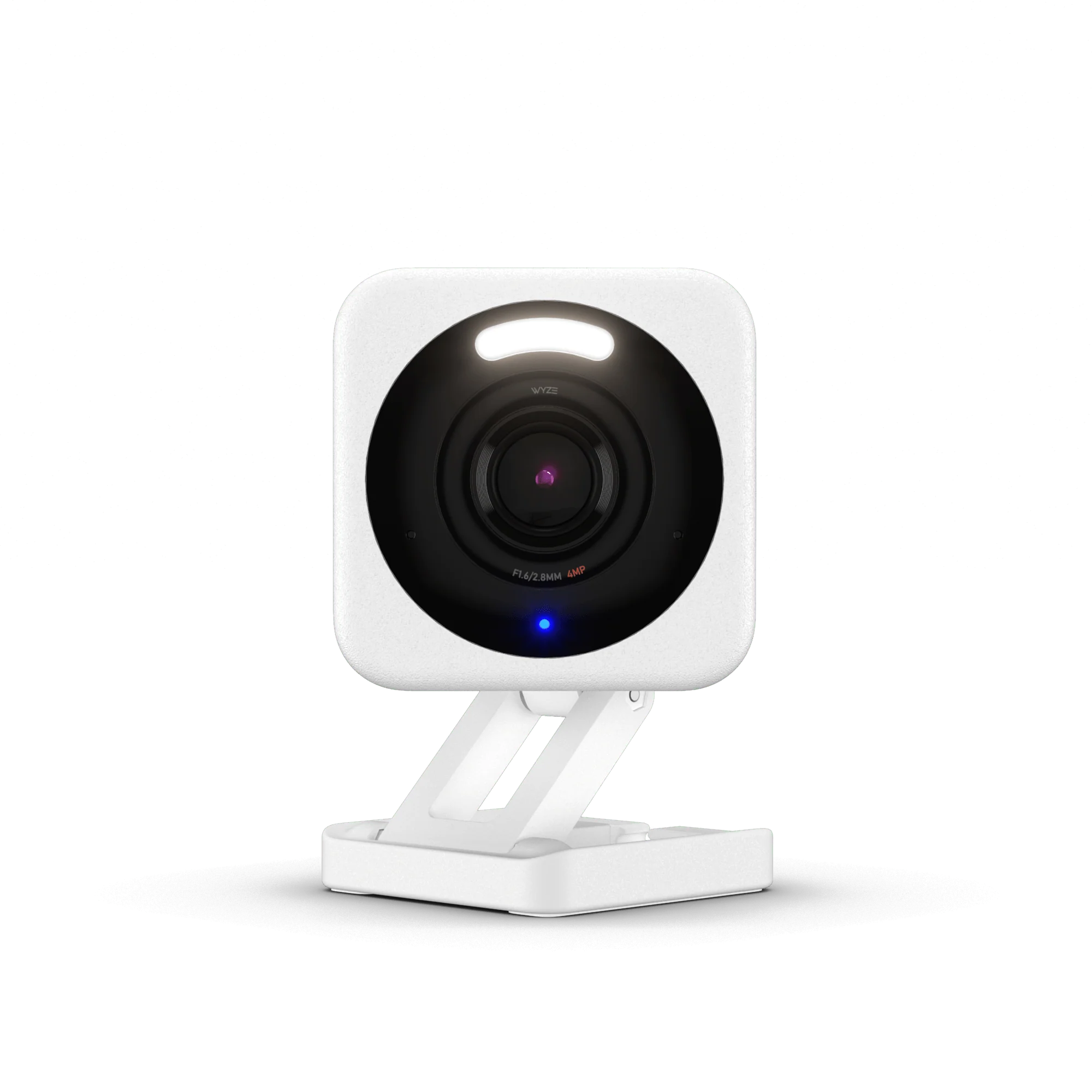
Wyze Cam v4 2.5K Wired Indoor/Outdoor Security Camera (White, 1 Pack)
The Wyze Cam v4 establishes high hardware-per-dollar value in compact monitoring, delivering 2560 px resolution video alongside color night vision and an integ
-
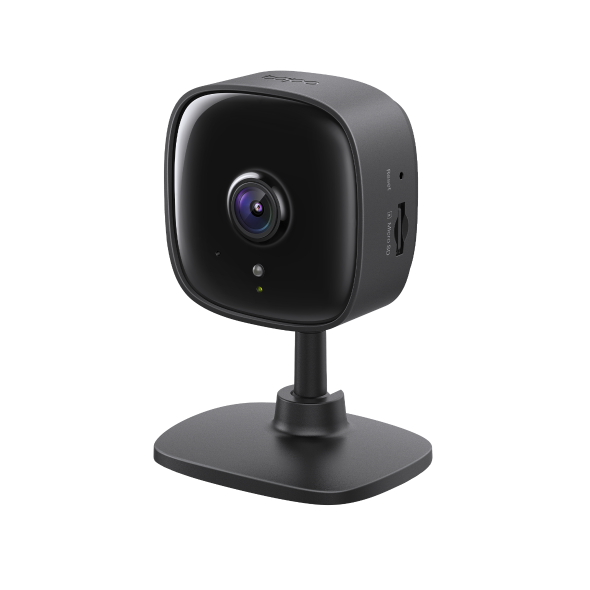
TP-Link Tapo C101 Black Home Security Wi-Fi Camera
Tapo C101 suits a fixed indoor view when you can keep the camera powered and prefer local recording. Its microSD slot provides an alternative to subscription-based Tapo Care cloud storage. The reviewer finds
-
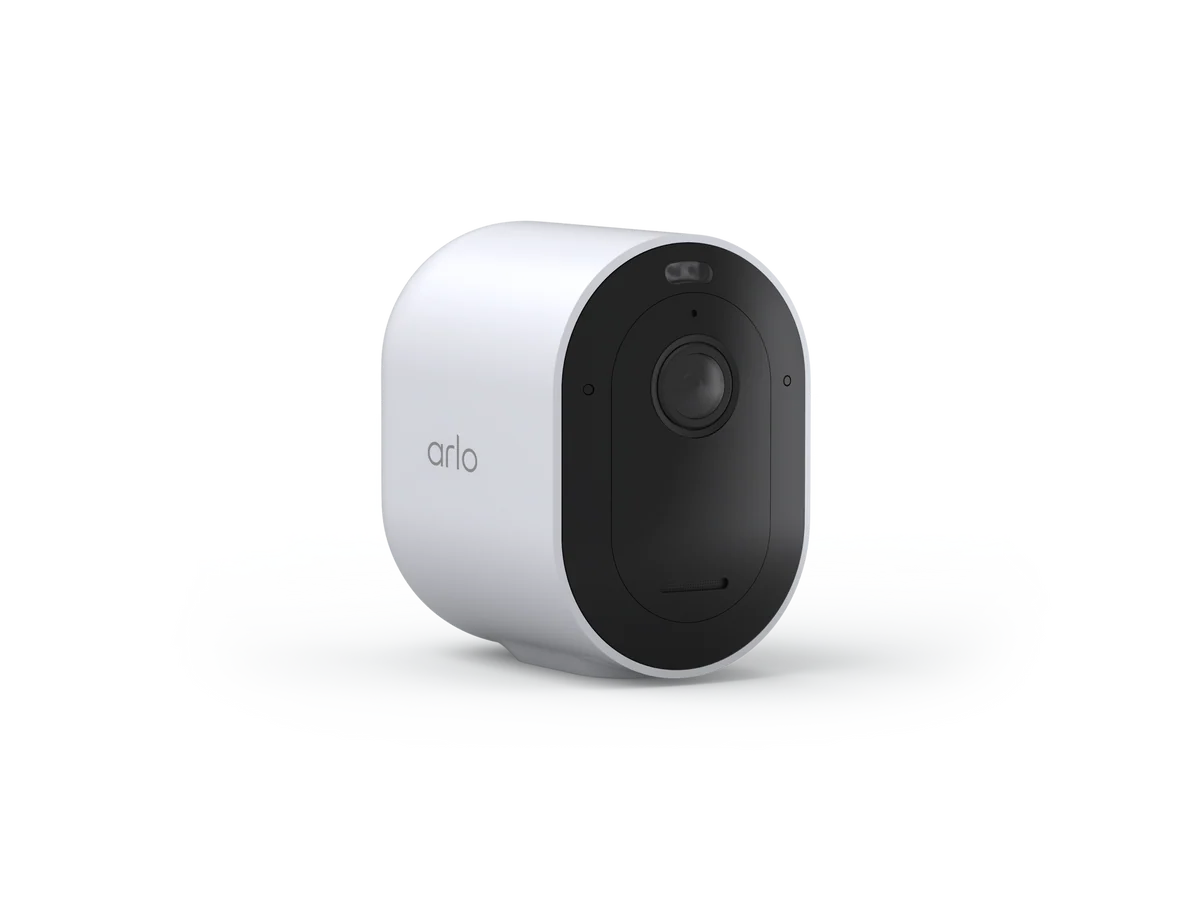
Arlo Pro 6 2K Wireless Outdoor Security Camera - 6th Gen (White, 1 Camera)
The Arlo Pro 6 suits homeowners who want a polished wire-free outdoor camera with strong day-and-night video, broad smart-home integration, guided setup, usefu
-
UniFi Protect G6 Bullet 4K PoE Security Camera - Black, Single Camera (UVC-G6-Bullet-B)
The UniFi Protect G6 Bullet delivers dedicated outdoor surveillance video capture at 3840 px wide and 30 fps without recurring m
Sources and method
- Reolink Duo 3 PoE ReviewHomeCamCafe · retrieved 2026-09-27Editorial review
- Review: Reolink Duo 3 PoE and Argus 4 Pro Dual Lens CamerasResidential Systems · retrieved 2026-10-04Editorial review
- Reolink Duo 3 PoE Quick Start GuideReolink · retrieved 2026-10-04ManualPDF
- Duo 3 PoE - Reolink SupportReolink · retrieved 2026-10-04Manufacturer support
- Reolink Duo 3 PoE ReviewSmart Wired · retrieved 2026-09-27Editorial review
- Reolink Duo 3 PoE ReviewOmniNVR · retrieved 2026-09-27Editorial review