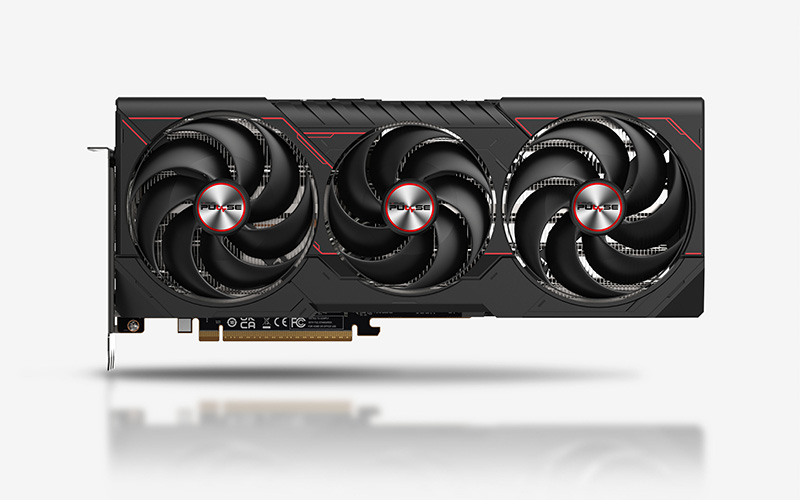
SAPPHIRE PULSE AMD Radeon RX 9070 XT 16GB GDDR6 Graphics Card
The Sapphire Pulse RX 9070 XT offers a feature set centered on FSR 4 support, substantial video memory and four modern display outputs. Evidence also places it among the slower models in several same-GPU comparisons, while its thermal standing is mixed. Buyers should weigh those tradeoffs against chassis space and power requirements rather than assume every RX 9070 XT board performs alike.
Updated 2026-09-26

We may earn a commission from qualifying purchases.
Reviewer consensus
Single-source notes
- Cooler and case fit: Mixed · 1/1 · [1]
- Display output capabilities: Agreed · 1/1 · [3]
- Efficiency: Agreed · 1/1 · [1]
- Limitations: Weak point · 1/1 · [2]
- Measured performance: Weak point · 1/1 · [2]
- Power draw and transients: Mixed · 1/1 · [3]
- Rasterization performance: Weak point · 1/1 · [2]
- Sustained performance: Mixed · 1/1 · [1]
- Thermals and noise: Mixed · 1/1 · [2]
- Upscaling and frame generation: Agreed · 1/1 · [3]
- Vram adequacy: Agreed · 1/1 · [3]
The review
Sapphire Pulse RX 9070 XT: performance, thermals and fit
What the board offers
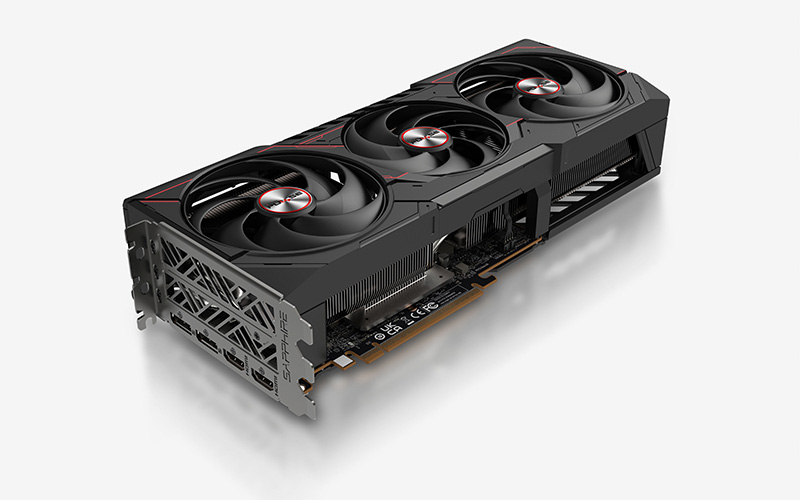
The card combines 16 GB of graphics memory with two DisplayPort 2.1a and two HDMI 2.1 outputs. Its documented total board draw is 304 W. [3]
Performance behavior
In multiple same-GPU comparisons, the Pulse appeared among the slower RX 9070 XT boards. io-tech measured an average sustained clock near 2470 MHz in its cited workload, while NikkTech documents FSR 4 support. [2], [1], [3]
The io-tech comparison found the Pulse system used less power than the higher-power Asus comparison system, providing useful context alongside its lower relative performance. [1], [2]
Cooling and system fit
At 320 mm long, the board needs deliberate case-clearance planning. TechSpot recorded it as the warmest card in its average GPU-temperature comparison, although the publication still judged the result cool overall. [2], [1]
Buyer questions
Before you buy
What memory and display connections are documented?
The evidence documents 16 GB of graphics memory, two DisplayPort 2.1a outputs and two HDMI 2.1 outputs. [3]
Compatibility
What board power should the system support?
NikkTech lists total board draw at up to 304 W, so power-supply capacity and connector planning should be checked before installation. [3]
Will it fit a compact case?
The reviewed card is 320 mm long. Measure the available GPU clearance and account for nearby cables and cooling components before purchase. [1]
Everyday use
What sustained clock was observed?
io-tech observed an average near 2470 MHz in its cited Cyberpunk workload rather than the higher short-duration boost figure. [1]
Compared with others
How does it compare with other RX 9070 XT boards?
Across several TechSpot game comparisons, the Sapphire Pulse appeared among the slower models in the group. That makes board-level performance a real consideration even when the underlying GPU is shared. [2]
Product images
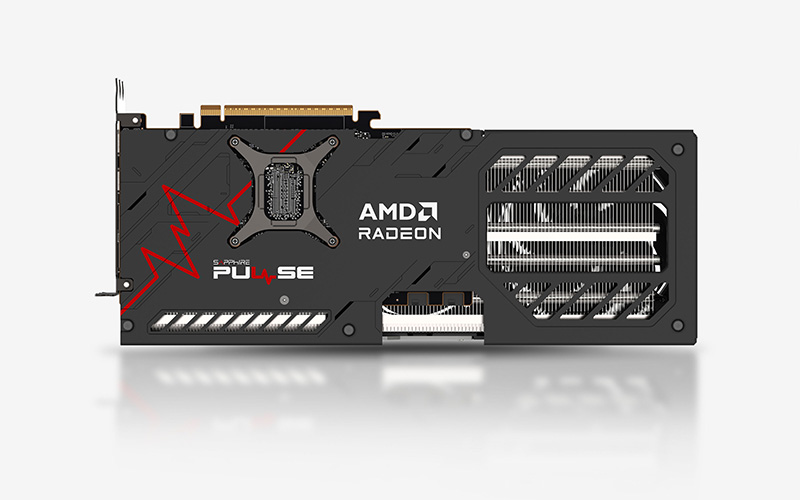
Facts and specifications
Stated by reviewers
| Specification | Value | Source |
|---|---|---|
| Card Length | 320 mm | [1] |
| Display Outputs | Two DisplayPort 2.1a and two HDMI 2.1 outputs | [3] |
| Memory Capacity | 16 GB | [3] |
| TDP | 304 W | [3] |
Measured by a lab
| Specification | Value | Source |
|---|---|---|
| Boost Clock | 2.47 GHz | [1] |
Other facts
| Specification | Value | Source |
|---|---|---|
| Limitation | In TechSpot's Black Myth: Wukong comparison, Sapphire Pulse was among the weakest performers. | [2] |
KnowSpec analysis
Who should consider it
The Sapphire Pulse RX 9070 XT offers a feature set centered on FSR 4 support, substantial video memory and four modern display outputs. Evidence also places it among the slower models in several same-GPU comparisons, while its thermal standing is mixed. Buyers should weigh those tradeoffs against chassis space and power requirements rather than assume every RX 9070 XT board performs alike.
Method: evidence_synthesisCore strengths
Its strongest documented advantages are current display connectivity, a large memory pool and support for AMD's AI upscaling stack. The reviewed system also drew less power than the higher-power comparison board while preserving the same GPU class.
Method: evidence_synthesisTradeoffs to verify
Independent comparisons repeatedly placed the Pulse toward the slower end of the tested RX 9070 XT field. Its sustained clock was below the advertised burst figure, and the long three-slot-class board requires deliberate case and power planning.
Method: evidence_synthesisVisible information gaps
Missing information is shown rather than guessed.
- Source.Manufacturernot public
- Topic:Ray Tracing Performancenot found
- Topic:Value Per Framenot found
- Topic:Buyer Fitnot found
- Topic:Driver And Software Stabilitynot found
- Topic:Coil Whinenot found
- Topic:Overclocking Headroomnot found
Products in this content
-
ASRock Intel Arc B580 Challenger 12GB OC Graphics Card (B580 CL 12GO)
The ASRock Intel Arc B580 Challenger 12GB OC is a practical match for a compact gaming PC when you want a short card, 12 GB of memory, modern display outputs, and Intel XeSS features. Independent testing supports stable sustained operation,
-
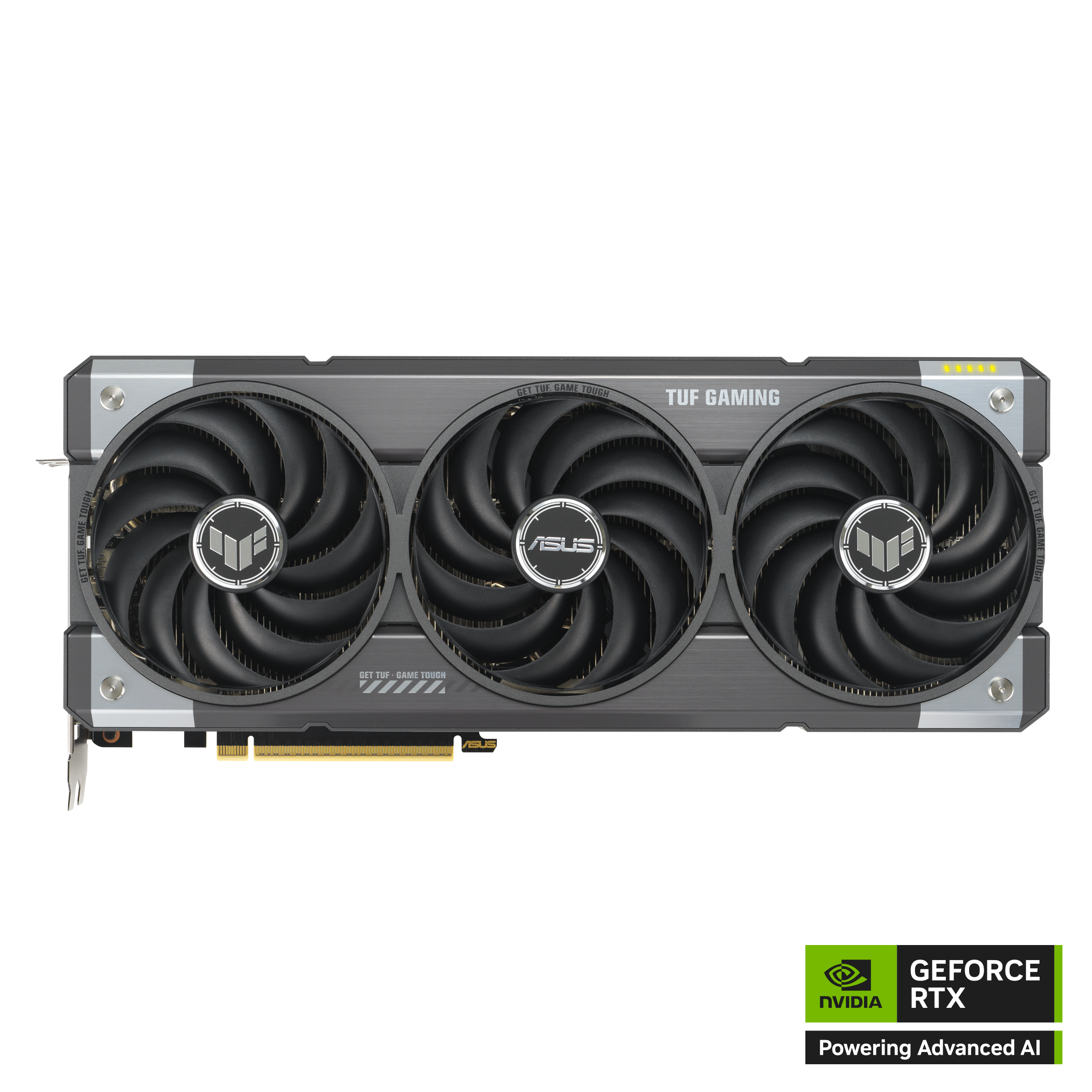
ASUS TUF Gaming GeForce RTX 5070 Ti 16GB GDDR7 OC Edition Graphics Card
The ASUS TUF Gaming GeForce RTX 5070 Ti OC is a sensible fit for buyers who want substantial graphics memory, a quiet Q-mode cooler and DLSS Multi Frame Genera
-
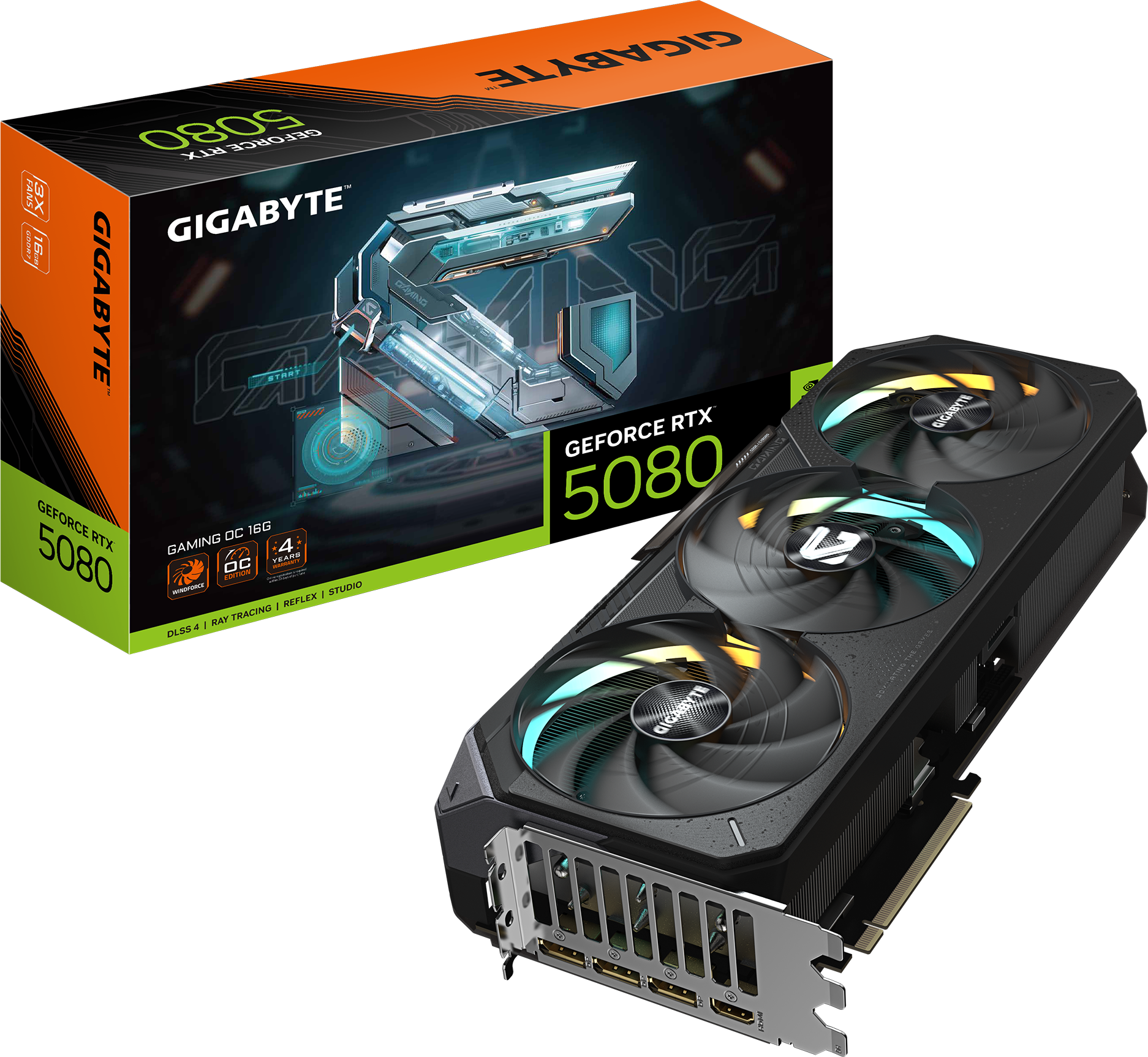
Gigabyte GeForce RTX 5080 Gaming OC 16G Graphics Card - 16GB GDDR7, 256bit, PCI-E 5.0, 2730MHz Core Clock, 3 x DisplayPo
The Gigabyte RTX 5080 Gaming OC suits buyers building a spacious performance-focused gaming PC w
Sources and method
- Testissä Sapphire Pulse Radeon RX 9070 XTio-tech · retrieved 2026-09-26Lab review
- AMD Radeon RX 9070 XT Roundup: 14 Graphics Cards Tested!TechSpot · retrieved 2026-09-26Lab review
- SAPPHIRE PULSE AMD Radeon RX 9070 XT 16GB Gaming Graphics Card ReviewNikkTech · retrieved 2026-09-26Editorial review