BLUETTI Apex 300 + PV Cable Portable Power Station
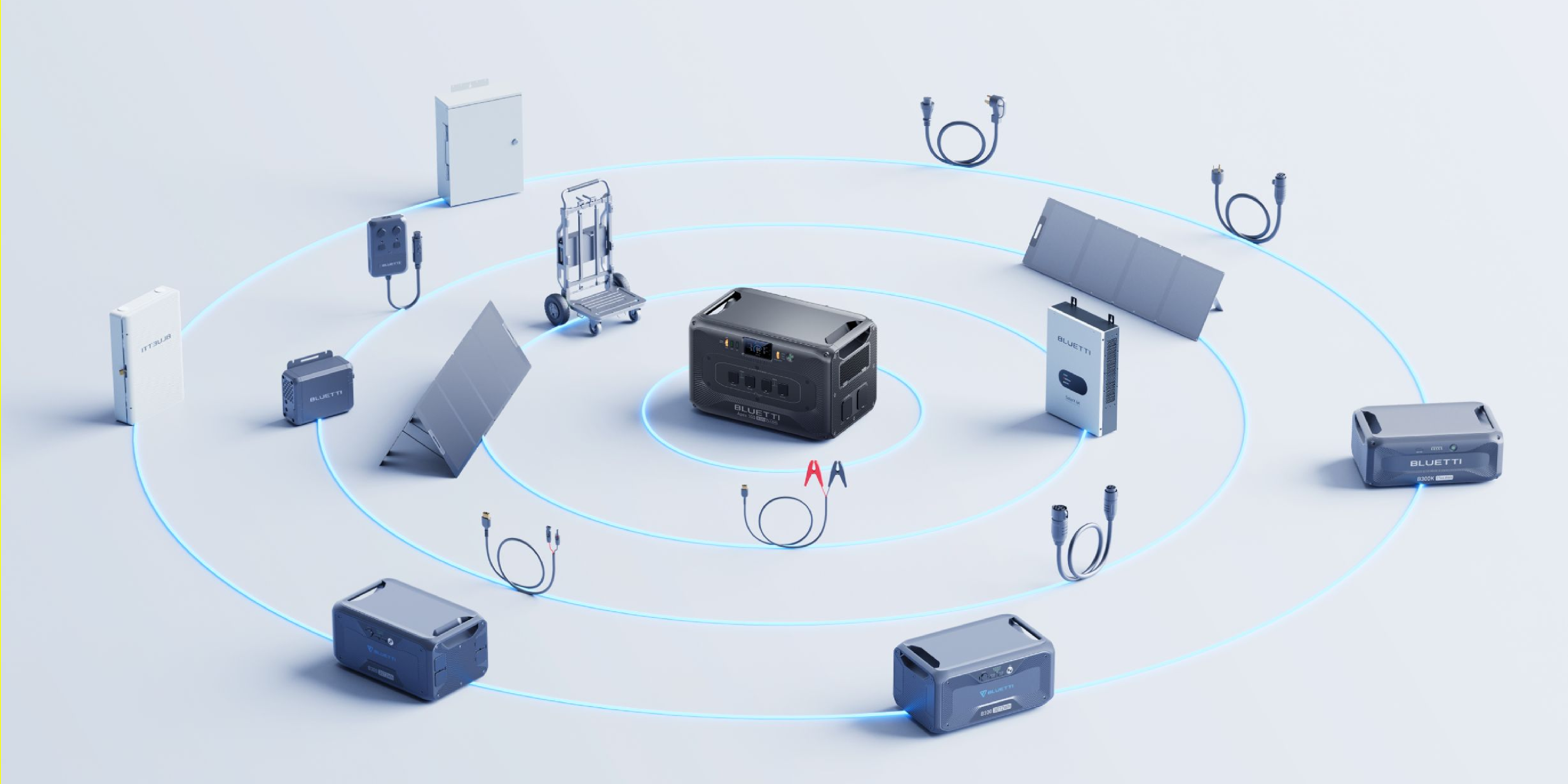
The Apex 300 fits buyers building a home or RV backup system who can plan around optional accessories and limited mobility. Reviews support useful load handling, solar input and expansion, but the base unit lacks USB ports and built-in wheels. Published capacity and output figures are reviewer-stated rather than verified US-bundle measurements; European charging tests should not be treated as guaranteed US performance.
Updated 2026-10-11

We may earn a commission from qualifying purchases.
Prices and sellers
No price information yet
Areas not yet researched (7)
No conclusion is available for these areas. This does not mean the Product has no limitations or reported issues.
- Conditions and limitations
- Compatibility
- Where sources differ
- Reported issues and fixes
- Care and support
- Ownership costs
- Who it suits
Measured performance
Ac efficiency
85 %The Solar Lab calculated efficiency while running various loads through the AC outlets. · Approximate result. Individual loads, duration, ambient temperature and number of samples were not reported; not a standardized runtime test.
Source [3]Idle power
20 WThe Solar Lab checked a single powered-on Apex 300 at idle. · Approximate idle result. Test duration, firmware and ambient temperature were not reported; sample count was not explicitly stated.
Manufacturer specification, not a measurement.
Source [3]Peak ac charging power
2330 WNotebookcheck charged its European Apex 300 from a normal wall outlet in Turbo mode. · Observed peak, not an average or guaranteed US input. Initial state of charge, firmware, temperature and explicit sample count were not reported.
Manufacturer specification, not a measurement.
Source [5]Observed solar input
401 WiPhone in Canada connected the supplied SORA 500 solar panel to an Apex 300 during its hands-on review. · Canadian review configuration, not the assigned PV-cable bundle. Irradiance, panel angle, temperature, firmware and sample count were not reported. No full recharge time was measured.
Manufacturer specification, not a measurement.
Source [4]Reviewer consensus
Consensus rows require at least two distinct sources for the topic.
| Topic | Positive | Negative | Mixed | Reading | Evidence |
|---|---|---|---|---|---|
| Efficiency and standby loss | 2 | 0 | 0 | Agreed · 2/2 | [6], [3] |
| Portability and expansion | 1 | 1 | 0 | Debated · 1 v 1 | [5], [6] |
Single-source notes
- Ac dc usb outputs: Weak point · 1/1 · [3]
- Buyer fit: Agreed · 1/1 · [5]
- Charge time and input limits: Agreed · 1/1 · [5]
- Continuous and surge output: Agreed · 1/1 · [3]
- Efficiency: Agreed · 1/1 · [3]
- Limitations: Weak point · 1/1 · [3]
- Measured performance: Agreed · 1/1 · [5]
- Solar input and mppt: Agreed · 1/1 · [6]
- Usable battery capacity: Agreed · 1/1 · [3]
The review
BLUETTI Apex 300 + PV Cable: base-station evidence and bundle limits
Capacity and load handling
The Apex 300 is best evaluated as a base station within an expandable system. The Solar Lab lists 2,764Wh nominal capacity and a 3,800W inverter; Bluetticr lists the more precise 2764.8Wh capacity. These are published specifications, not measurements of energy delivered to an appliance. ESS News uses the phrase peak power for 3.84 kW, which is retained here as that publication's wording rather than converted into an independently verified continuous or surge rating. Notebookcheck operated demanding appliances on a European unit without triggering overload, but that observation does not certify every load or the US bundle. For a buying decision, separate what the station stores, what an outlet can supply, and what your chosen appliance consumes over time. A capacity label alone cannot answer all three questions. The evidence supports considering the platform for planned backup use; it leaves the buyer's exact appliance runtime unresolved. The PV Cable name should also prompt a contents check, not an assumption that a panel, expansion battery or power hub is included. [3], [5], [6], [1]
Charging and energy overhead
The Solar Lab calculated approximately 85% efficiency using various AC loads and separately observed roughly 20W idle draw. ESS News observed about 19.5 W with the inverter enabled. These observations concern different tests and should not be averaged into a more precise specification. Neither report supplies a complete repeatable test protocol or explicit sample count for these figures. Their practical value is to show why nominal storage and useful runtime are different, especially when backup appliances spend long periods waiting between active cycles. Treat the idle observations as a planning consideration, not a guarantee of how many days your own setup will last. Record whether an intended load must remain continuously powered, and distinguish a standby interval from a period of active use. The current evidence does not establish usable energy for the assigned US bundle at a specified appliance load. It also does not justify converting a reviewer's favorable impression into a thermal, noise or endurance benchmark. Those limitations remain relevant even when several reviewers broadly agree about the station. [3], [6]
What the separate solar test can tell you
iPhone in Canada tested an Apex 300 supplied with a SORA 500 panel and reported 401W solar input. This is a useful observed operating point from a Canadian hands-on review, but it belongs to that station-and-panel configuration. The report does not provide irradiance, panel angle, temperature, firmware or an explicit sample count. Its charging-time expectation is not recorded here as a measured full recharge. Most importantly, a test using SORA 500 does not establish the contents or performance of the PV Cable bundle assigned to this page. Use this result to distinguish a practical solar observation from a maximum input specification. It does not tell you what your own panel will produce throughout a day, nor does it validate an unspecified cable. For a solar-dependent purchase, obtain the exact panel and cable identities before treating any review setup as a match. Keeping that boundary explicit is more useful than presenting the observed figure as a universal charging rate. [6], [4]
Charging figures depend on the configuration
Notebookcheck measured a 2,330W peak while charging its European station from a wall outlet in Turbo mode. Its account also describes quieter charging modes, so that peak should not be read as an average across every mode. Bluetticr separately lists a 1,800W maximum with bypass for its regional AC input specification. That commercial listing is regional evidence, not a manufacturer verification of the assigned US bundle. ESS News states direct solar input up to 2,400W; this is another ceiling, not a promise that a particular array will reach it. The useful comparison is between matching configurations: the same input route, regional hardware and charging mode. Comparing a European observed peak with a regional listing's standard-input limit does not demonstrate a fault or an upgrade. Before relying on a charging schedule, identify the actual route and accessories involved. The evidence here does not establish a full charging curve or an independently measured recharge time for the assigned bundle. [5], [6], [1]
Plan ports, movement and expansion
The base station does not provide built-in USB ports, and The Solar Lab reports no built-in wheels. Notebookcheck gives the European unit a weight of 38 kg. ESS News describes parallel operation of up to three Apex 300 stations with additional batteries and required accessories. Notebookcheck's favorable assessment for homeowners with larger solar installations is a reviewer opinion about that ecosystem, not proof that every accessory is supplied with this listing. These points make a planned location and an explicit accessory list central to evaluating the product. Start with the devices you actually need to connect and mark which require outputs absent from the base unit. Then separate the initial installation from any future expansion. A buyer seeking frequent relocation should give the weight and lack of wheels more attention than the portable label. Someone intending to leave the station in one place can assess that tradeoff differently. Expansion capability can be useful, but it is a reason to verify the complete configuration rather than assume the base purchase already delivers the capabilities of a larger system. [3], [5], [6]
Decision boundaries and remaining uncertainty
Best Batteries distinguishes Power Lifting for resistive loads from motor-start behavior. Its explanation is used as secondary context, without converting collected figures into new independent experiments. Together with the ambiguous peak wording in ESS News, it reinforces the need to distinguish output specifications, special operating modes and actual tests. A conditional recommendation is appropriate for buyers willing to plan the required outputs, accessories and location. Buyers expecting direct USB connections or a ready-made expanded system should verify those assumptions before proceeding. [3], [6], [2]
Manufacturer pages and manuals attempted during this refresh could not be retained as usable native evidence because of publisher restrictions, failed downloads or document size. Accordingly, regional retailer statements remain retailer statements. The refresh also leaves exact-bundle testing, sustained maximum-load certification, long-term aging and safety certification unresolved. These are evidence gaps, not allegations of defects. Match the documented configuration to the purchase and seek the missing product-specific documentation where those questions determine the decision.
Buyer questions
Before you buy
Compatibility
Does the base unit provide USB charging?
No built-in USB ports are reported. Additional outputs depend on the optional DC Hub, so include accessory planning in your purchase rather than assuming the base unit covers every device. [3]
Setup
Can the system expand later?
ESS News describes parallel connection of up to three Apex 300 units with added batteries and accessories. Expansion is a system purchase, so distinguish additional equipment from the base bundle. [6]
Product images
Facts and specifications
Retailer listing
Stated by reviewers
| Specification | Value | Source |
|---|---|---|
| AC Output | 3800 W US | [3] |
| Battery Capacity | 2764 Wh US | [3] |
| Expandability | Up to three Apex 300 units in parallel, with additional batteries and required accessories. | [6] |
| Ports | No built-in USB ports; optional DC Hub provides additional outputs. US | [3] |
| Solar Input | 2400 W | [6] |
| Weight | 38000 g EU | [5] |
Measured by a lab
| Specification | Value | Source |
|---|---|---|
| AC Input | 2330 W EU | [5] |
| Efficiency | 85 % US | [3] |
| Power | 19.5 W; 20 W US | [3], [6] |
| Solar Input | 401 W CA | [4] |
Other facts
| Specification | Value | Source |
|---|---|---|
| Buyer Fit | Notebookcheck finds the Apex 300 appealing to homeowners with larger solar systems; its tested configuration is European. EU | [5] |
| Limitation | The Solar Lab reports no built-in wheels, which limits convenient movement of the base unit. US | [3] |
| Use Case | Notebookcheck's tested kettles, vacuum cleaners and electric hob did not overload its Apex 300. This is an individual test, not a sustained-load certification. EU | [5] |
KnowSpec analysis
A modular backup station for a planned setup
The Apex 300 fits buyers building a home or RV backup system who can plan around optional accessories and limited mobility. Reviews support useful load handling, solar input and expansion, but the base unit lacks USB ports and built-in wheels. Published capacity and output figures are reviewer-stated rather than verified US-bundle measurements; European charging tests should not be treated as guaranteed US performance.
Method: inferredStandby use deserves attention
For backup loads that run intermittently, consider inverter standby consumption as well as nominal capacity. The Solar Lab reported about 85% efficiency and 20W idle consumption, while ESS News observed about 19.5W at idle. These separate tests suggest that leaving the inverter enabled consumes stored energy between loads; they do not establish appliance runtime or measured usable capacity.
Method: inferredVisible information gaps
Missing information is shown rather than guessed.
- Topic:Sustained Performancenot found
- Topic:Inverter Qualitynot found
- Source.Manufacturernot public
- Topic:Safety And Certificationnot found
- Topic:Usable Battery Capacitynot found
- Topic:Thermal Noise And Cycle Lifenot found
- Optionnot found
Products in this content
-
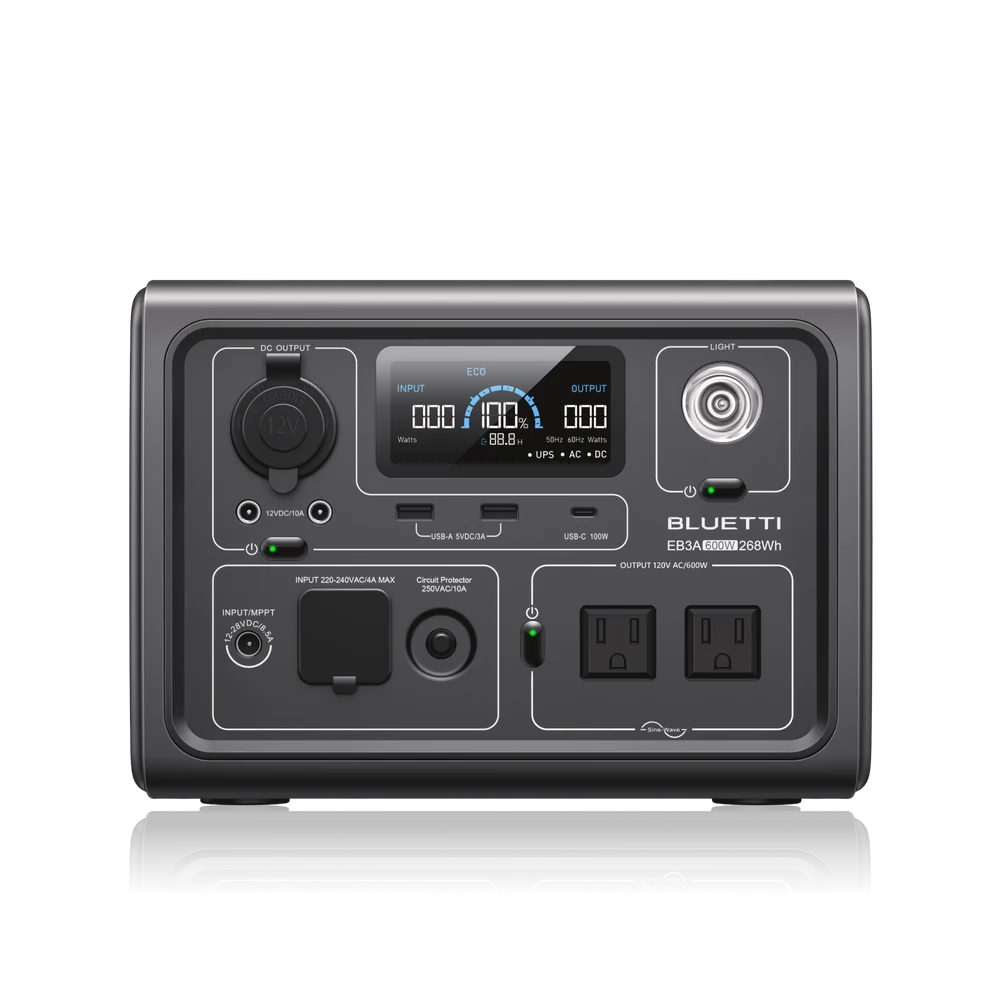
BLUETTI EB3A Portable Power Station | 600W 268Wh
The EB3A suits portable sessions with a load checked against its 600W AC rating. Its manual lists 268.8Wh, while a UK reviewer delivered 229Wh in one test. European reviewers ran a router and
-
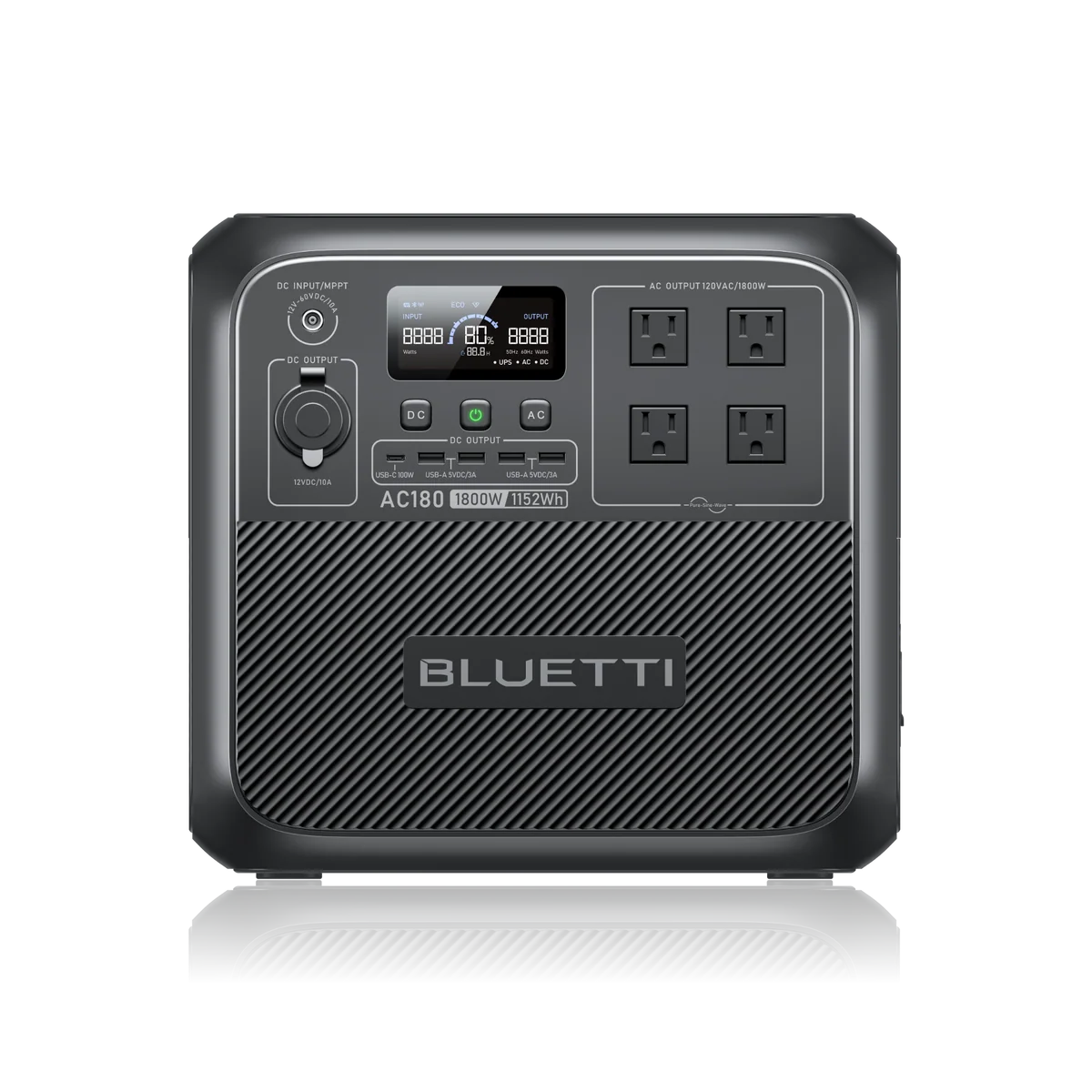
BLUETTI AC180 Portable Power Station
The BLUETTI AC180 offers 1,152 Wh of rated capacity, 1,800 W continuous AC output and 2,700 W surge output in a 16 kg unit. Testing sustained the full 1,800 W load for 30 minutes and delivered 983 Wh to a heater, making it c
-
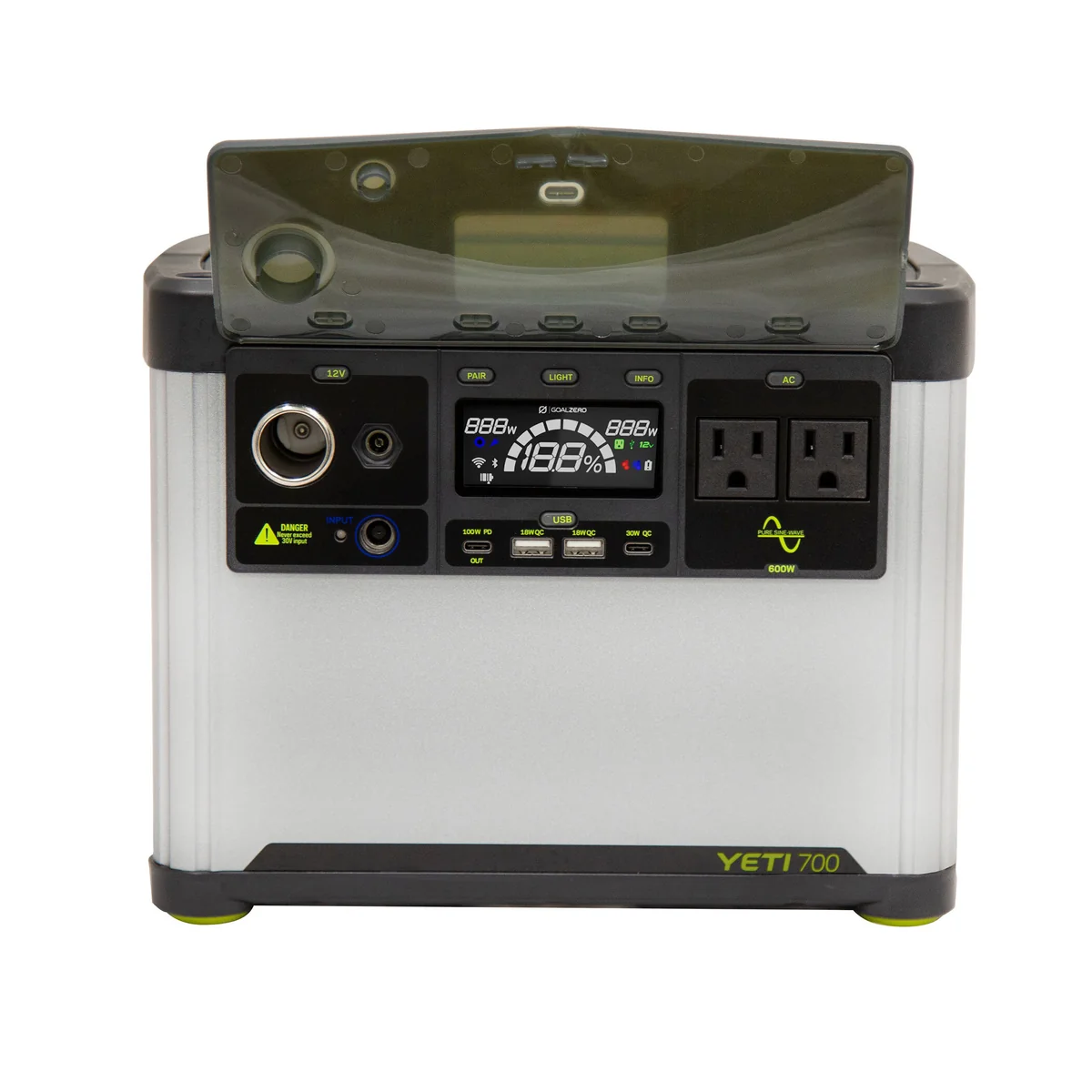
Goal Zero Yeti 700 Portable Power Station
The Yeti 700 suits modest CPAP, RV-day, phone, and laptop loads, with a 677.376 Wh battery, 600 W AC output, multiple AC, USB, and DC ports, solar input, fast AC input, and cited safety certifications. It rem
-
DJI Power 1000 Portable Power Station
The DJI Power 1000 is best matched to remote shoots and drone-centered field kits that need serious AC output. Evidence identifies a 1024 Wh battery and shows the 2200 W continuous rating holding through full discharge. A separate test repo
-
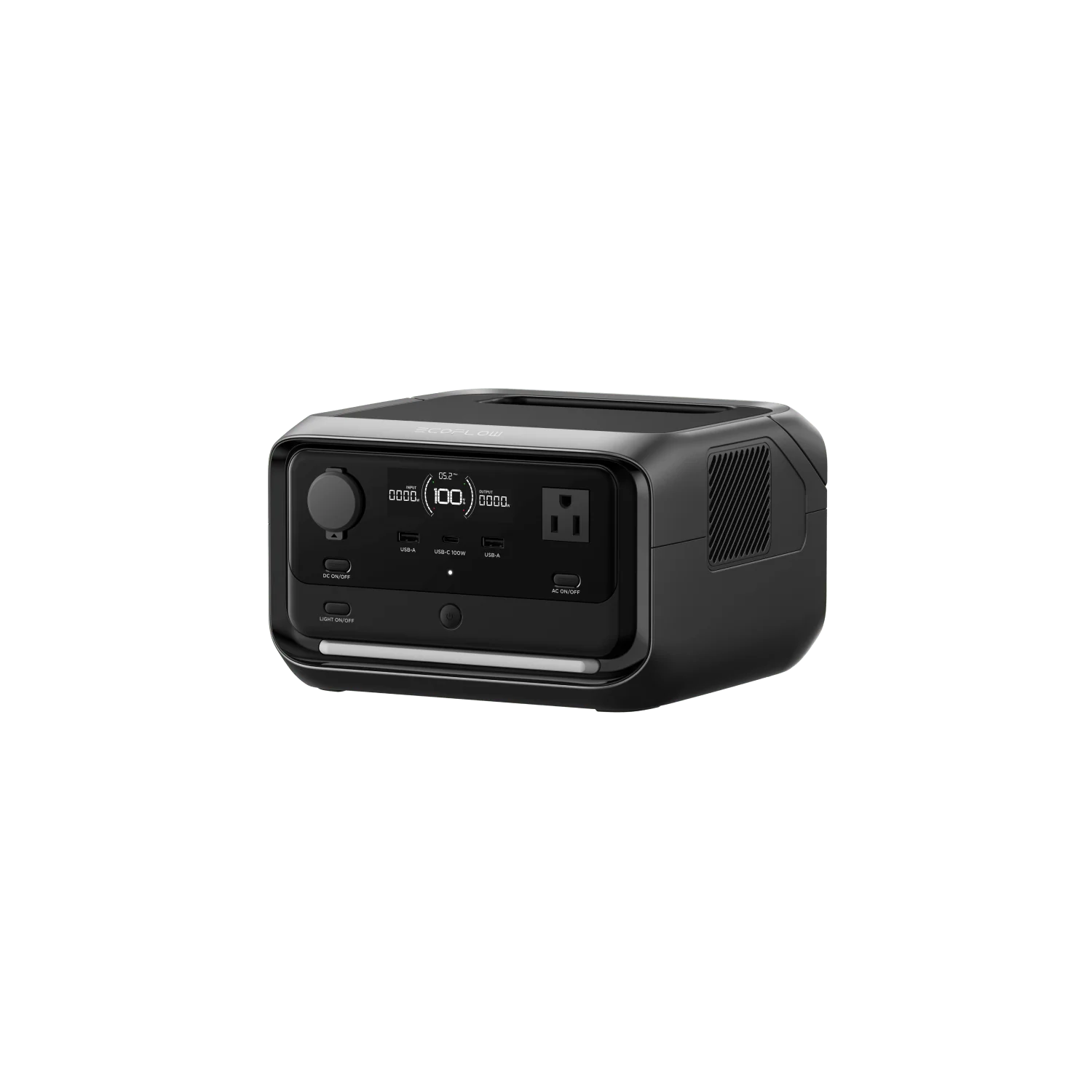
EcoFlow RIVER 3 Plus Portable Power Station
The EcoFlow RIVER 3 Plus combines 286 Wh of battery capacity with 600 W of continuous AC output, making it a compact option for modest portable loads. Independent testing does not support treating the promote
-
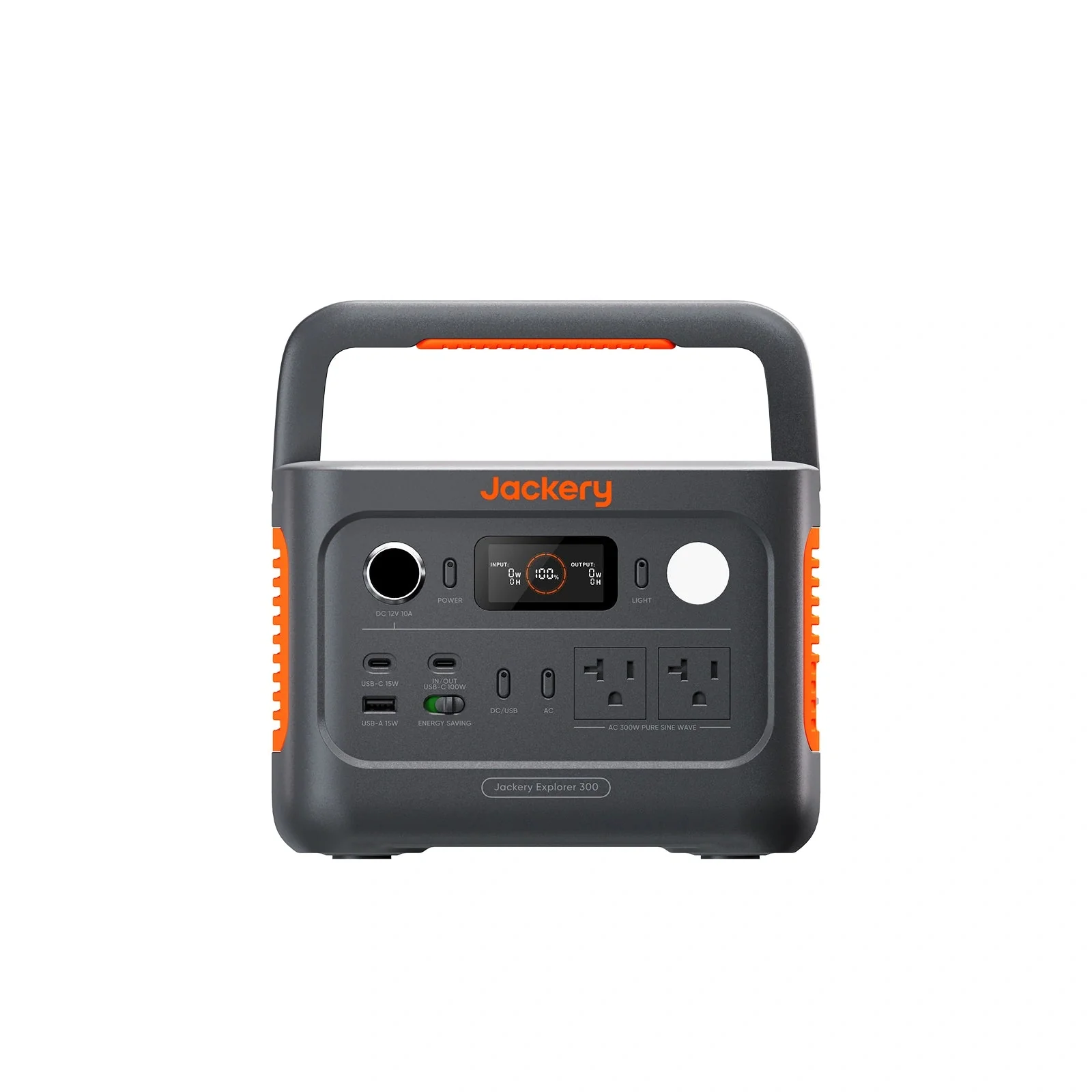
Jackery Explorer 300 V2 Portable Power Station
The Explorer 300 v2 fits buyers seeking a compact first power station for modest loads, short outages and portable use. Evidence supports low weight, two AC outlets and usable energy below the rated battery
Sources and method
- Apex 300 Versatile Power Station | 3,840W, 2,764.8WhBluetticr · retrieved 2026-10-11Retailer listing
- Bluetti Apex 300: our full reviewBest Batteries · retrieved 2026-10-11Other source
- Bluetti Apex 300 Review: Cheap, Practical Home Backup?The Solar Lab · retrieved 2026-10-02Lab review
- Hands-On: BLUETTI Apex 300 + SORA 500 ReviewiPhone in Canada · retrieved 2026-10-11Editorial review
- Bluetti APEX 300 power storage system review: More than just a balcony power stationNotebookcheck · retrieved 2026-10-02Lab review
- Hands-on with the Bluetti Apex 300 portable power stationESS News · retrieved 2026-10-02Editorial review