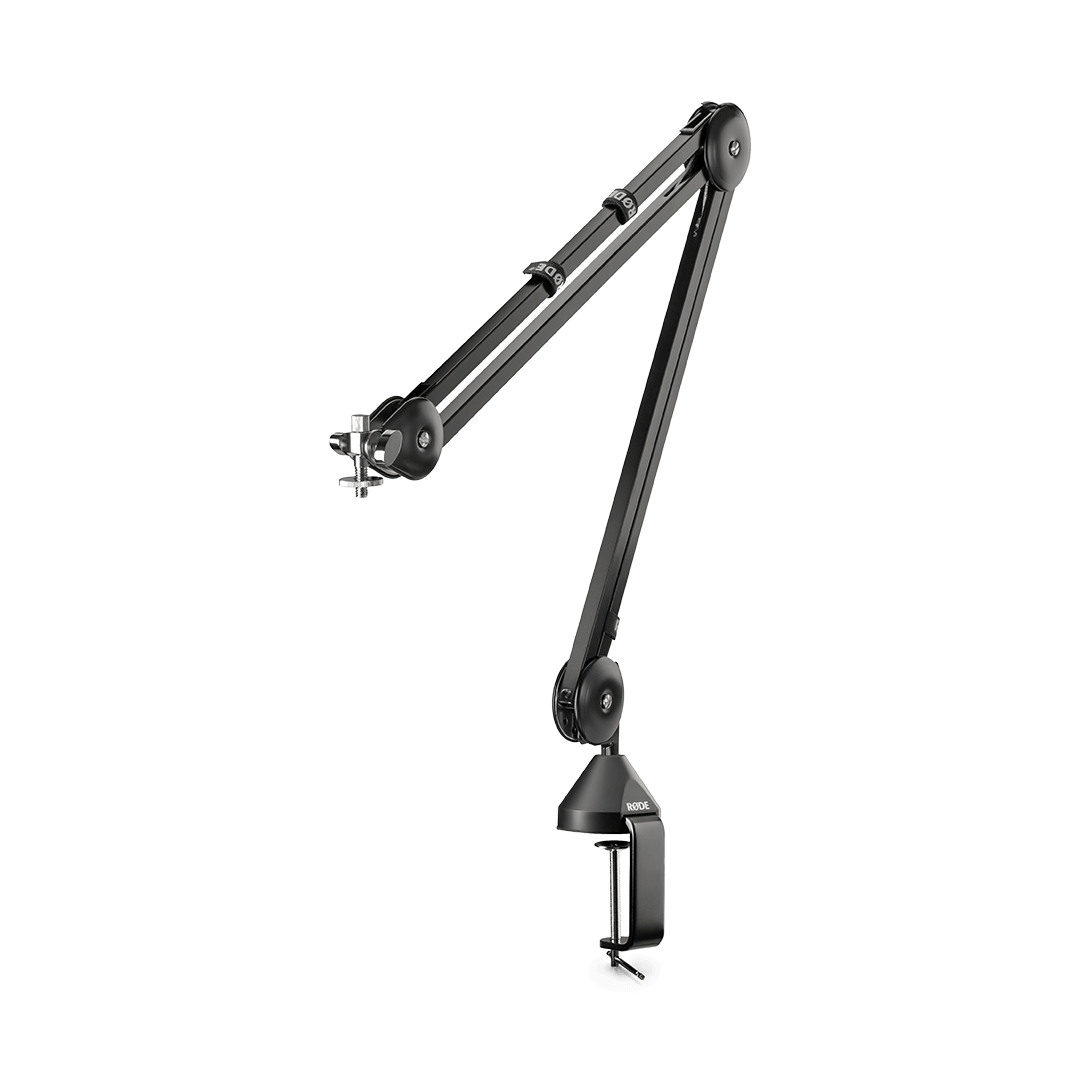
Neumann TLM 103-MT Black XLR Microphone with RØDE PSA1 Studio Boom Arm
The documented fixed cardioid pattern, presence voicing and quiet-source suitability give this bundle a coherent studio role. Rick Chinn's guitar audition adds subjective listening context. The PSA1 loading range applies to microphone plus mount, so confirm the complete suspended assembly before treating the bundle as ready to install.
Updated 2026-10-08

We may earn a commission from qualifying purchases.
Prices and sellers
No price information yet
Conditions and limitations
Power and acoustic specifications researched; controlled independent measurements remain unavailable.
Compatibility
PSA1 combined loading condition documented; assigned bundle mounting hardware and total mass not independently verified.
Where sources differ
RecordingHacks lists 500g and Neumann approximately 450 g; no controlled weighing explains the difference.
Reported issues and fixes
Historic adapter handling concern reviewed; a current-bundle defect or service history was not established.
Care and support
Manufacturer and bundle pages inspected; exact-bundle warranty and repair terms remain unverified.
Ownership costs
Power and mounting needs are documented; no monetary ownership-cost calculation or price evidence supplied.
Who it suits
Recording role, fixed-pattern limitations and installation checks developed; exact-bundle audition and service evidence remain gaps.
The review
TLM 103-MT with PSA1: sound, setup and bundle limits
Exact bundle identity and accessory assumptions
The assigned identity is the black TLM 103-MT microphone with the RØDE PSA1 arm, identified by the existing bundle evidence. Treat that identity separately from the many microphone-only or studio-set packages that appear in related documentation. An article about the microphone can establish its characteristics without establishing the accessory contents of this particular bundle. That separation is especially useful here because mounting depends on the complete suspended assembly. Confirm the supplied mounting hardware, any shock mount and the actual combined load before deciding that the advertised pairing solves your installation needs. Historical reviews also need this discipline. Rick Chinn's 1998 review described concern about cross-threading while attaching and removing the SG 103 adapter he tested. That is a useful handling observation, but it should not be promoted into a confirmed defect of the current assigned bundle. The reviewed adapter and the present bundle's supplied hardware have not been established as identical. The practical implication is to inspect the actual threads and mounting parts you receive, rather than assuming that a historic accessory description proves current contents or current failure behavior. This preserves the useful warning while avoiding an unsupported claim about modern hardware. Exact identity and accessory verification matter more here than a general assurance that both components are studio products. [7], [3], [1], [6]
What the published numbers do and do not mean
Neumann's table specifies an equivalent A-weighted noise level of 7 dBA. It also specifies sensitivity of 23 mV/Pa at 1 kHz into a 1 kohm load, and a maximum SPL of 138 dB at 0.5% total harmonic distortion. Read each number with its stated condition. The A-weighted noise figure describes the microphone specification under that weighting; it is not the background-noise level of your recording room. The sensitivity figure identifies output for a stated acoustic input and electrical load; it does not establish how much gain a particular interface will require in every recording situation. Likewise, the maximum-SPL figure is tied to a distortion criterion, so it should not be rewritten as a promise of zero distortion at any loudness. These distinctions help buyers use the specifications without asking them to answer questions they do not cover. Low self-noise and the quiet-source suitability described by RecordingHacks make acoustic recording a plausible application. However, that reasoning is about the documented microphone characteristics, not a measured noise comparison between complete studio setups. This refresh therefore keeps the numbers as manufacturer specifications and leaves the physical measurement collection empty. A listening review may help you choose a sound, but its positive verdict does not independently verify the specification table. [4], [1]
Sound and pickup pattern
The TLM 103-MT is a fixed-cardioid microphone with the presence-oriented voicing described by Neumann. RecordingHacks identifies low self-noise and high sensitivity as useful for quiet acoustic sources. These characteristics give the microphone a clear studio role, but they do not establish that it will flatter every voice. The useful buying question is whether you want this particular tonal emphasis and a single pickup pattern. If your recording method depends on switching patterns, the fixed-cardioid design is an immediate constraint. If you mainly record one performer at a time, it may instead be a straightforward fit. Evaluate that choice against the actual source you intend to record, rather than treating the manufacturer name as a universal sound-quality verdict. Rick Chinn's original hands-on review supplies more specific context: he auditioned acoustic guitar and described warmth and pleasing string detail without equalization. That is a listening observation from a particular session, not a measured frequency-response result. It supports auditioning the microphone for acoustic recording, while leaving the outcome for your own guitar, placement and recording chain conditional. The manufacturer voicing description and this reviewer impression answer different questions: one describes design intent, while the other documents what a user heard. [4], [1], [6]
Power and mounting
Neumann specifies 48 V phantom power and an approximate microphone mass of 450 g. These are manufacturer specifications, not measurements made during this refresh. RØDE's PSA1 documentation makes its loading requirement apply to the microphone together with its shock mount. Consequently, the microphone's own approximate mass is not enough to establish that this arm will balance correctly. A buyer should identify the actual mount and complete suspended assembly before relying on the pairing. The bundle name confirms the advertised microphone and arm combination, but it is not a mechanical test report. In particular, it does not supply a verified total assembly mass or prove that a separate shock mount is included. RecordingHacks also lists a different microphone weight, 500g, while the current manufacturer table says approximately 450 g. Neither figure here comes from a controlled weighing of the assigned bundle. Use the manufacturer figure as the documented microphone specification and keep the secondary discrepancy visible, rather than averaging the numbers or inventing a hardware revision to explain them. For practical setup, verify the actual mounted load against the PSA1 documentation. This is a conditional compatibility check, not a claim that every TLM 103-MT and PSA1 combination is unsuitable. [1], [7], [3], [1], [4]
Controls and evidence limits
The microphone has no onboard pad or high-pass filter, according to RecordingHacks. That limitation matters when your normal workflow expects either control on the microphone itself. Check how your recording chain will handle those requirements before buying, because the product does not provide the switches that such a workflow assumes. Its fixed cardioid pattern is another design constraint, rather than a defect discovered in testing. The manufacturer-hosted Jeff DiBartolomeo report adds a narrower practical warning about vocal technique. He described worse results after removing his pop filter and singing extremely close and loudly. The report is an endorsement published by Neumann, so its enthusiasm should not be counted as an independent laboratory finding. Its useful contribution is the documented condition under which that performer found the microphone less satisfactory. It does not define a universal minimum distance, a measured plosive threshold or an overload limit. Keep those distinctions when interpreting the report. The inspected evidence still does not establish controlled long-term durability, exact-bundle warranty terms or independent physical measurements with a reproducible method. Those remain gaps. The absence of such data is not evidence that the product fails; it means those particular assurances cannot be supplied from the sources reviewed here. A buyer needing them should obtain the relevant documentation or test results. [4], [2]
Who should consider this combination
This combination is most defensible for a project-studio or broadcast buyer who specifically wants a fixed-cardioid microphone and is prepared to check the arm installation. Neumann identifies those recording applications, and the independent acoustic-guitar audition gives a concrete example of a listener finding the microphone useful. The presence-oriented voicing is a reason to audition it for your source, rather than a reason to assume it improves every source. If a single pickup pattern matches your recording plan and quiet-source capture matters, the documented characteristics provide a coherent starting point. The decision becomes conditional when mounting hardware, total suspended load or the required phantom-power provision are unresolved. Those questions should be answered before treating the bundle as ready for a particular desk or recording chain. Buyers who require switchable pickup patterns, an onboard pad or an onboard high-pass filter face clearly documented constraints. For them, the missing controls are more decisive than a positive review impression. This evidence also cannot promise exact-bundle service terms or long-term reliability, and it does not provide a controlled physical benchmark. Make the purchase decision around the features and conditions actually documented: recording role, sound preference, power provision and mechanical fit. That approach preserves the meaningful strengths of the microphone while keeping the remaining uncertainties visible. [4], [1], [7], [3], [6]
Buyer questions
Before you buy
Can I change the pickup pattern?
No. The microphone has a fixed cardioid pickup pattern. [4]
Compatibility
Setup
What power does the microphone need?
Neumann specifies 48 V phantom power. [1]
Limitations
Does the microphone include a pad or high-pass filter?
Neither control is provided on the microphone. [4]
Product images
Facts and specifications
Manufacturer datasheet
| Specification | Value | Source |
|---|---|---|
| Maximum SPL | 138 dB global | [1] |
| Noise Level | 7 dBA global | [1] |
| Voltage | 48 V global | [1] |
| Weight | 450 g global | [1] |
Retailer listing
| Specification | Value | Source |
|---|---|---|
| Model | TLM 103-MT + RODE PSA1 US | [3] |
Other facts
| Specification | Value | Source |
|---|---|---|
| Buyer Fit | Low self-noise and high sensitivity suit quiet acoustic sources. global; Neumann describes a modern voicing with a wide presence boost. global | [1], [4] |
| Limitation | The microphone has no pad or high-pass filter. global; The microphone uses a fixed cardioid pickup pattern. global | [4] |
| Setup Requirement | PSA1 load suitability depends on the combined microphone and shock-mount weight. global | [7] |
| Use Case | The microphone is intended for project studios and broadcast use. global | [1] |
KnowSpec analysis
A studio pairing with conditional mechanical fit
The documented fixed cardioid pattern, presence voicing and quiet-source suitability give this bundle a coherent studio role. Rick Chinn's guitar audition adds subjective listening context. The PSA1 loading range applies to microphone plus mount, so confirm the complete suspended assembly before treating the bundle as ready to install.
Method: Evidence synthesis; reviewer impressions remain subjective.Visible information gaps
Missing information is shown rather than guessed.
- Topic:Measured Performancenot found
- Topic:Sustained Performancenot found
- Topic:Build And Servicenot found
- Topic:Efficiencynot found
Products in this content
-
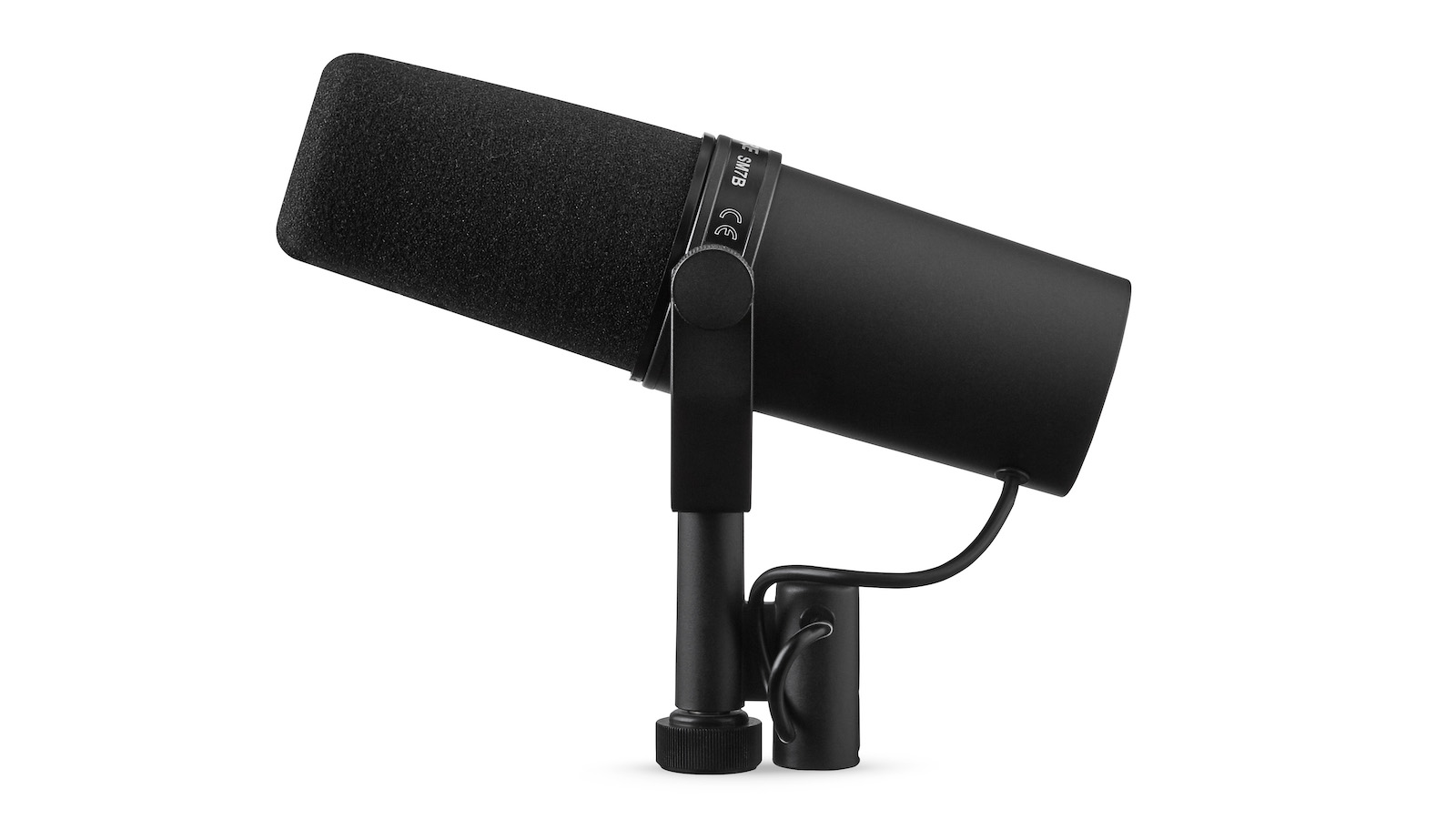
Shure SM7B Cardioid Dynamic Vocal Microphone
The SM7B is a sensible choice for close-miked speech and source-dependent studio recording when you can provide a suitable stand and enough clean preamp gain. Its yoke, foam and filters are useful capture to
-
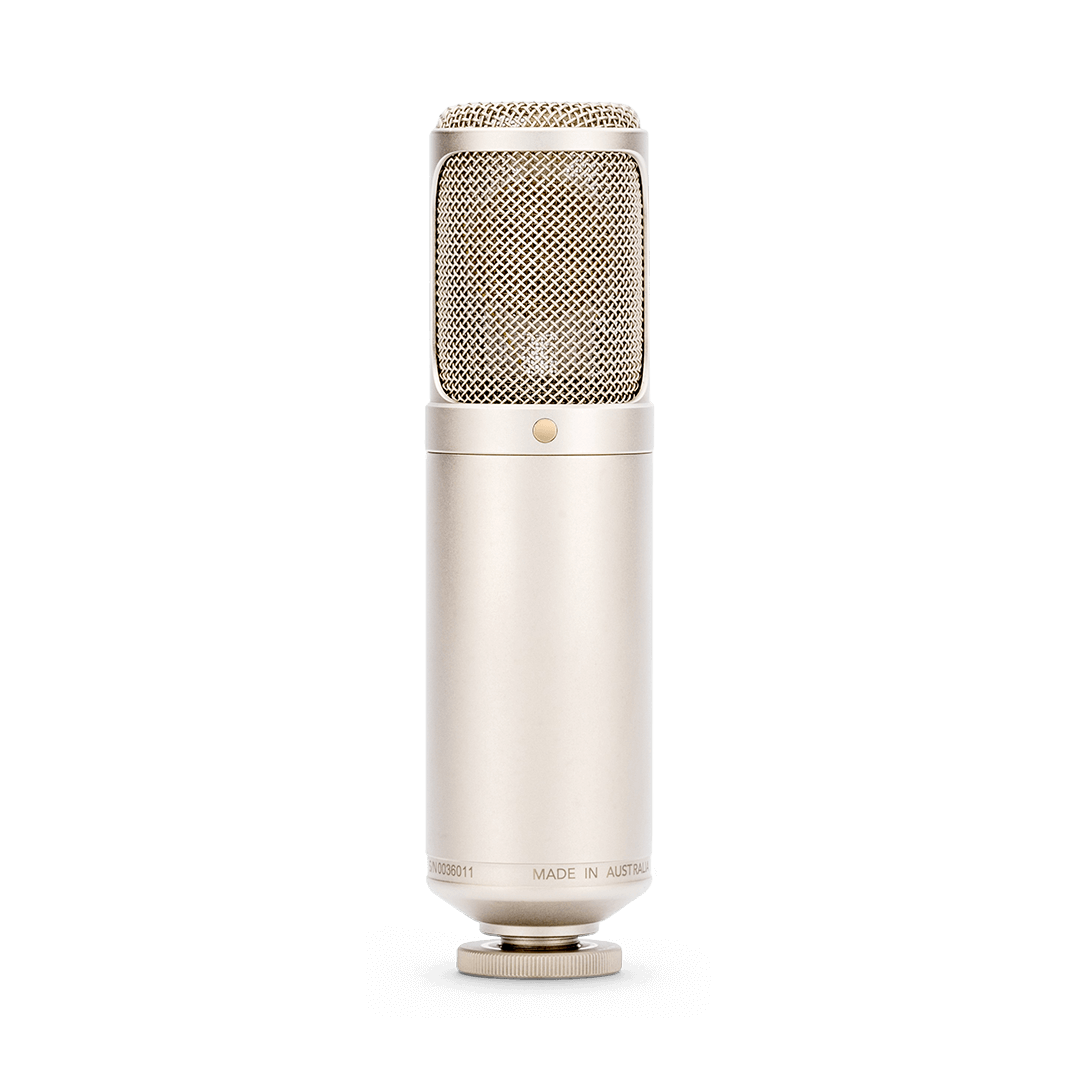
RØDE K2 Variable-Pattern Studio Tube Condenser Microphone with Dedicated Power Supply
The K2 is worth auditioning when you want continuously variable pickup and the warm, detailed vocal character described in spec
-
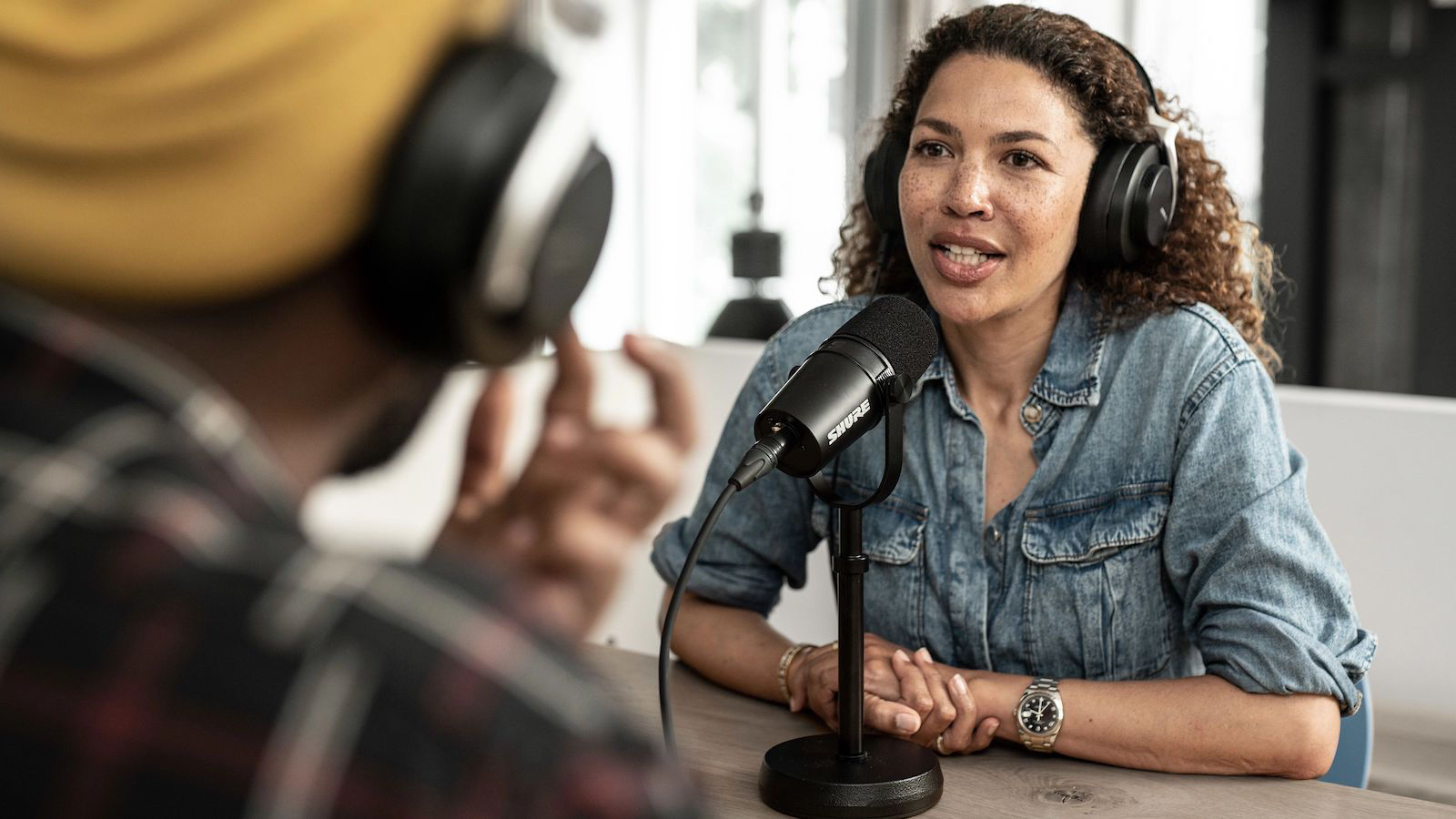
Shure MV7X XLR Podcast Microphone, Black
Choose the black MV7X if you want a passive cardioid microphone for an XLR recorder or interface and are comfortable controlling the recording elsewhere. It fits an established multi-microphone podcast setup. A first-time bu
Sources and method
- TLM 103 specifications and order informationNeumann · retrieved 2026-10-08Manufacturer
- 5 stars go to Neumann on this oneNeumann / Jeff DiBartolomeo · retrieved 2026-10-08ManufacturerPDF
- Neumann TLM 103-MT Black XLR & RODE PSA1PriceHistory · retrieved 2026-10-02Other source
- Neumann TLM 103RecordingHacks · retrieved 2026-10-02Editorial review
- Neumann studio microphone TLM 103Neumann · retrieved 2026-10-02Manufacturer
- Rushes: Neumann TLM103Rick Chinn / Uneeda Audio · retrieved 2026-10-08Editorial review
- PSA1 Professional Studio Boom ArmRØDE · retrieved 2026-10-02DatasheetPDF