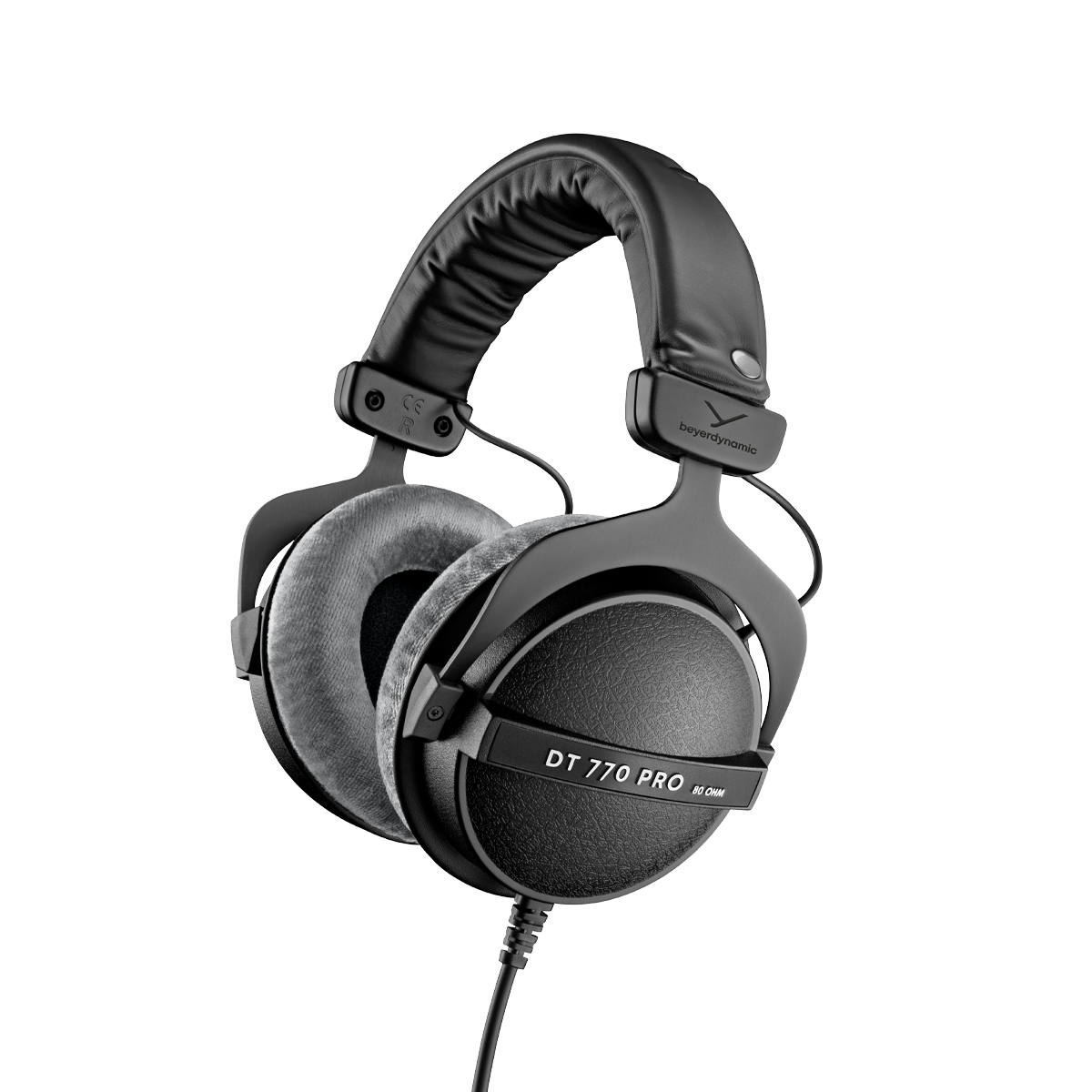
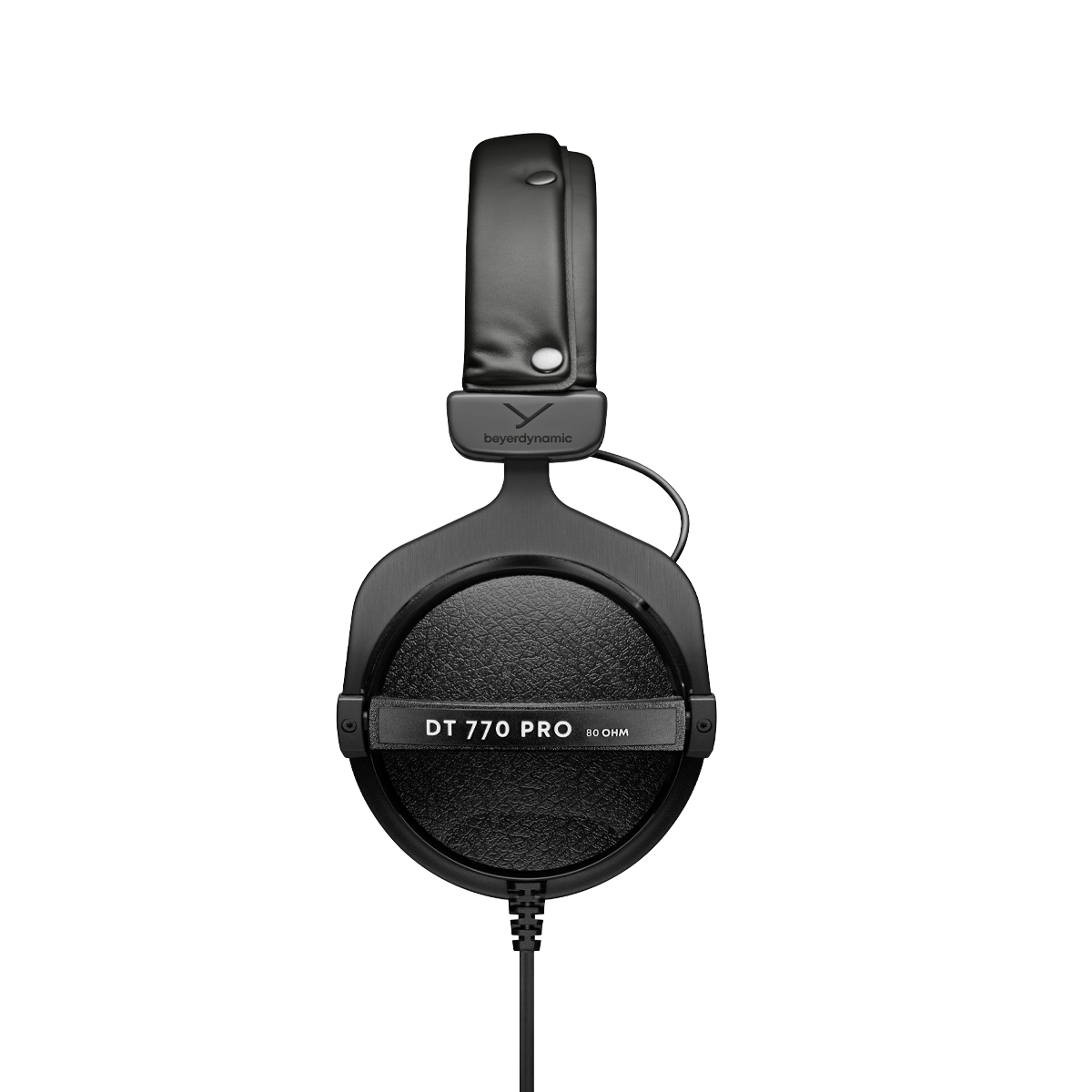
beyerdynamic DT 770 PRO 80 Ohm Over-Ear Studio Headphones
The closed-back design and comfortable velour pads suit recording sessions, while replacement components support maintenance. HeadphoneCheck favors the 80 Ohm model for recording over final mix balance. Treble-sensitive buyers should audition familiar sibilant recordings before choosing it as their only reference.
Updated 2026-10-08

We may earn a commission from qualifying purchases.
Prices and sellers
No price information yet
Conditions and limitations
Recording monitoring with an analogue output
- Capability
- Closed-back wired monitoring for recording sessions.
- Limitations
- A fixed lead requires cable management.
- Closed-back monitoring does not establish a neutral final-mix reference.
- Requirements
- A suitable headphone output accepting the 3.5 mm plug or 6.35 mm adapter.
- Confirm listening headroom with the actual output.
HomeRecordingSetup · HeadphoneCheck · Pragmatic Audio · beyerdynamic Australia
Compatibility
Analogue plug and adapter are documented. No named US device pairing has been verified as a full compatibility case.
Where sources differ
Nominal 80 ohm versus measured sample
- Explanation
- Nominal rating and sample measurement are different evidence types. Measurement frequency and instrument are unspecified; retain the exact 80 Ohm identity.
- Status
- explained
Reported issues and fixes
Fixed-cable and treble concerns are documented. No systematic defect frequency, recall finding or specific failing hardware revision was established.
Care and support
Named replacement wear components
- Details
- The manufacturer lists replacement velour ear pads and a headband pad. Current regional stock, repair labor and warranty coverage are not established.
Ownership costs
Wear-component replacement is documented, but service labor and replacement cadence are unknown. No prices were collected and no total ownership cost is calculated.
Who it suits
Choose for recording after checking treble tolerance
- Check before buying
- Confirm the exact 80 Ohm version.
- Audition familiar sibilant recordings.
- Check connector fit and comfortable output headroom.
- Constraints
- Must accept a fixed cable.
- Must verify the actual headphone output.
- Needs
- Closed-back recording-room monitoring.
- Reason
- The recording role is supported, but treble preference and attached-cable requirements should be resolved before buying.
- Tradeoffs
- Reviewers differ in treble tolerance.
- Recording suitability is not proof of neutral mix balance.
- Assessment
- conditional
HomeRecordingSetup · HeadphoneCheck · Pragmatic Audio · Headphones.com · beyerdynamic Australia
Reviewer consensus
Consensus rows require at least two distinct sources for the topic.
| Topic | Positive | Negative | Mixed | Reading | Evidence |
|---|---|---|---|---|---|
| Amplifier requirements | 1 | 0 | 1 | Mixed · 1/2 | [5], [6] |
| Connectivity and codec support | 2 | 1 | 0 | Debated · 2 v 1 | [3], [4], [7] |
| Sound / experience quality | 1 | 0 | 1 | Mixed · 1/2 | [1], [6] |
| Repairability | 2 | 0 | 0 | Agreed · 2/2 | [8], [6] |
Single-source notes
The review
DT 770 PRO 80 Ohm: a recording-room focused studio headphone
Where it fits
The DT 770 PRO 80 Ohm is a wired closed-back studio headphone whose strongest documented role is recording-room monitoring. HeadphoneCheck tested this specific impedance version and favored it for performers in the recording room rather than treating it as an automatically neutral control-room reference. MusicProductionWiki also describes durable construction and a tracking-oriented design, although that description is an editorial assessment rather than a measured service-life guarantee. The useful buying distinction is therefore the job you need the headphone to do: monitoring a performance and making the final tonal balance of a mix are related tasks with different priorities. [6], [7], [2]
HomeRecordingSetup emphasizes the closed-back isolation when a microphone shares the room with the performer. Reducing backing-track and click spill is a practical reason to choose this design for tracking; it does not establish that no sound can ever escape at any listening level. The same source cautions against using its lifted treble as the sole reference for mixing. For a buyer recording vocals or instruments, that distinction supports a workflow in which the headphone serves the performance first, while important mix decisions receive another reference check. This is a task-based recommendation, not a claim that every recording room behaves identically. [7], [6]
Keep the exact version in view when comparing listings. The assigned product is the conventional DT 770 PRO 80 Ohm, and its documented cable is a straight 3 m lead. It should not inherit the detachable-cable behavior of a differently named PRO X, or the cable configuration of another impedance option. Pragmatic Audio directly identifies the fixed cable as a drawback, which matters if you regularly pack equipment or want to replace a lead without servicing the headphone. At a studio desk, the length can be useful; for transport, it creates a cable-management decision that deserves attention before purchase. [6], [7], [3], [4]
Comfort, isolation, and durability
Velour-pad comfort is a recurring positive in the existing evidence. HomeRecordingSetup describes the pads as comfortable over long sessions, and HeadphoneCheck discusses replacement components as a benefit of the design. These are useful reasons to consider the headphone for repeated studio use, but comfort remains an individual fit question. A favorable review cannot certify your own tolerance over an entire workday. Try the fit for the kind of session you actually plan to run, and consider the pads as wear components rather than assuming that the original feel will remain unchanged indefinitely. [7], [6], [8]
The manufacturer datasheet supplies more concrete maintenance evidence by listing EDT 770 V velour ear pads and a BN 59-53/D headband pad. That supports a replacement-parts route for these named components. It is narrower than promising that every part is immediately available in every country, and it says nothing about your local repair labor or warranty entitlement. Buyers who expect to keep the headphone should verify the exact replacement component and its current availability with their service channel. Doing that turns a general serviceability reputation into a practical maintenance plan without inventing a future repair cost or replacement interval. [6], [8]
The fixed cable is the clearest physical tradeoff in the newly read Pragmatic Audio review. Its 3 m length and analogue connector suit a stationary arrangement, but the lead cannot simply be unplugged from the earcup for storage. MusicProductionWiki's general durability description should not be interpreted as proof that the cable never fails, nor as evidence of a measured failure rate. Route it around the workspace with its fixed attachment in mind. If an easily swapped cable is a requirement rather than a preference, resolve that requirement before selecting this exact model instead of relying on the reputation of the broader headphone family. [7], [2], [3], [4]
Limitation to consider
The existing tonal caution remains relevant: HomeRecordingSetup describes lifted upper treble as potentially tiring and capable of misleading mix decisions. The new Headphones.com review by Chrono also hears treble glare and sibilance, but personally finds it tolerable. Those accounts are not a clean contradiction in a physical specification. They illustrate different listening judgments and tolerances. A treble-sensitive buyer should therefore audition familiar recordings with prominent voices and cymbals rather than interpreting either review as a universal comfort promise. The concern is how this tuning interacts with your listening preferences and monitoring task. [7], [1]
HeadphoneCheck's preference for recording-room use complements that caution, while Chrono's more tolerant treble assessment prevents an equally unsupported blanket dismissal. Comfortable velour pads and a fixed cable do not decide whether you will like the sound, and a positive listening impression does not remove the cable tradeoff. Prioritize the requirement you cannot compromise: recording monitoring, your own treble tolerance, or a detachable lead. If one of those requirements is unresolved, treat the purchase as conditional until you have checked it. This approach preserves the useful parts of the reviews without converting personal taste into a specification. [7], [6], [3], [1]
The resulting fit is strongest for a buyer seeking a conventional wired studio monitor for recording, willing to manage its attached lead and maintain replaceable wear components. It is less straightforward for someone demanding a detachable cable or assuming that a studio label makes one headphone sufficient for every final mix decision. Check the exact 80 Ohm identity, the output connection, your fit and listening tolerance, and the relevant service route before buying. Regional documentation is used here for hardware evidence, not to promise US warranty terms. Missing local service conditions remain uncertainty rather than a reason to invent favorable ownership claims. [6], [7], [3], [4]
Frequency and drive requirements
The permitted Australian listing specifies a nominal frequency range of 5 Hz to 35,000 Hz and an 80 ohm nominal impedance. It also identifies a 3.5 mm stereo plug and a 6.35 mm adapter. The manufacturer datasheet confirms the connection format and distinguishes the cables by impedance version. These figures describe the product's specification and physical connection; they do not demonstrate a flat frequency response or guarantee adequate loudness from every headphone output. For a buyer, connector fit is one check, while the output's ability to drive the selected headphone is a separate check. [6], [4]
DIY-Audio-Heaven explicitly reports 91 ohm as measured for its DT 770 PRO/80 sample. This update records that result as a physical measurement rather than turning a reviewer rating into a benchmark. The number is kept separate from the nominal 80 ohm designation. The passage does not disclose the impedance measurement frequency, instrument, or sample count, so those conditions remain unknown. It would be misleading to substitute the measured sample number into the model name or to assert that every retail unit measures identically. The value adds independent evidence, with limits that remain visible. [6], [5]
When planning the setup, use the nominal designation to identify the variant and use the published measurement as a reminder that a specification and a test result answer different questions. Neither is a complete compatibility test for an unnamed phone, laptop, or interface. Verify the headphone output you will actually use and assess comfortable listening headroom with familiar material. Likewise, the wide stated frequency range should not settle a comparison between headphones on its own: it is not a measured neutrality score. The long cable is a concrete workspace property, whereas successful operation with a particular output needs evidence about that particular pairing. [6], [7], [4], [5]
Specifications
Impedance
91 ohmDIY-Audio-Heaven reports impedance explicitly as measured for its DT 770 PRO/80 sample. · Measurement frequency, instrument and sample count are not disclosed alongside this value. This is a sample result, not a replacement for the nominal 80 ohm model designation.
Source [5]Alternatives
| Alternative | Where this Product wins | Where it loses | Pick it if |
|---|---|---|---|
| beyerdynamic DT 770 PRO X Limited Edition Closed-Back Studio Headphones | This exact 80 ohm model has independent recording-room monitoring evidence. That supports its use case, not superiority over the rival. [6] | This headphone has a fixed lead, while the rival's documented cable is detachable. Ease of cable replacement is the practical distinction. [3] | Choose this model when recording monitoring and a fixed lead meet your needs; consider the rival when a detachable cable is required. |
| Specification | beyerdynamic DT 770 PRO 80 Ohm Over-Ear Studio Headphones | beyerdynamic DT 770 PRO X Limited Edition Closed-Back Studio Headphones |
|---|---|---|
| Interface | Non-detachable cable. US [3] | Detachable single-sided 3 m cable with 3.5 mm plug and 6.35 mm adapter. |
Buyer questions
Before you buy
What work is this model suited to?
It is suited to studio recording and monitoring, with evidence favoring recording-room monitoring. [6]
Everyday use
Is it comfortable for extended sessions?
The velour pads are described as comfortable over long sessions. [7]
Does the closed-back design help during tracking?
Yes. The closed-back isolation helps keep click and backing tracks out of the microphone. [7]
Limitations
What is the main tonal limitation?
The lifted upper treble can be tiring and may influence mixing decisions. [7]
Product images
Facts and specifications
Retailer listing
| Specification | Value | Source |
|---|---|---|
| Highest Frequency | 35000 Hz US | [4] |
| Lowest Frequency | 5 Hz US | [4] |
| Interface | 3.5 mm stereo jack with 6.35 mm adapter. US | [4] |
Stated by reviewers
| Specification | Value | Source |
|---|---|---|
| Acoustic Design | Closed-back with tracking isolation. US | [7] |
| Cable Length | 3 m US | [7] |
| Impedance | 80 Ω US | [6] |
| Interface | Non-detachable cable. US | [3] |
Measured by a lab
| Specification | Value | Source |
|---|---|---|
| Impedance | 91 Ω | [5] |
Other facts
KnowSpec analysis
Recording-room monitor with a clear tradeoff
The closed-back design and comfortable velour pads suit recording sessions, while replacement components support maintenance. HeadphoneCheck favors the 80 Ohm model for recording over final mix balance. Treble-sensitive buyers should audition familiar sibilant recordings before choosing it as their only reference.
Method: Compare nominal specifications with an explicitly measured sample result.Electrical specification is not a universal compatibility guarantee
The 80 ohm label identifies the selected variant, while one independent sample measured 91 ohm. Neither value alone confirms every interface's volume headroom. Check the actual headphone output and connector first; the 3 m cable suits a desk, and the 5–35,000 Hz range is nominal rather than proof of flat tonal balance.
Method: Synthesis of attributed listening assessments and documented specifications.Visible information gaps
Missing information is shown rather than guessed.
- Topic:Battery Lifenot found
Products in this content
-
Sony MDR-7506 Professional Stereo Monitor Headphones
Sony documents studio and broadcast use. Independent comfort observations differ, so evaluate fit on the actual unit and do not generalize an aged sample with replaced cushions to new stock.
-
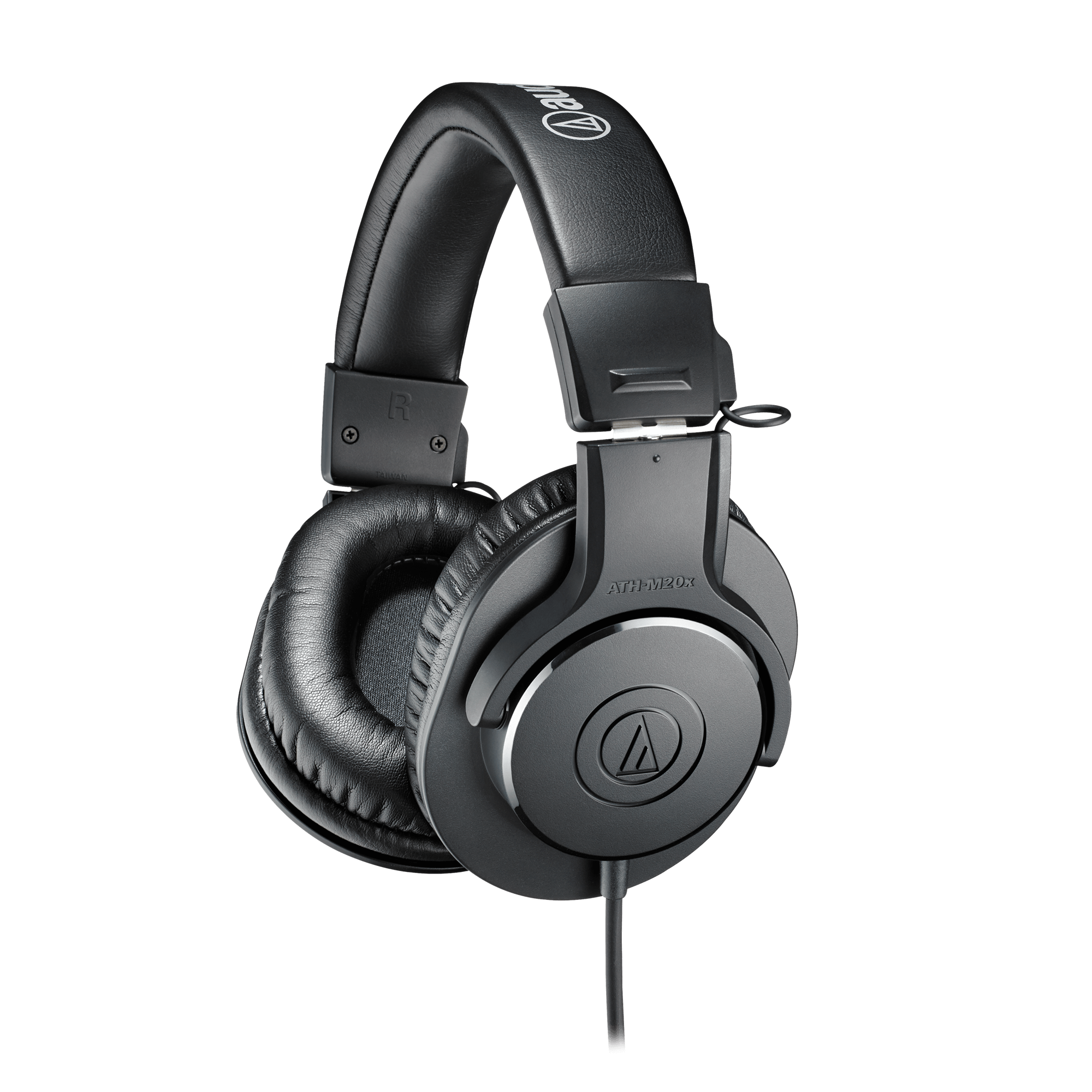
Audio-Technica ATH-M20x Professional Studio Monitor Headphones
The Audio-Technica ATH-M20x suits buyers seeking an accessible wired monitoring headphone that runs from common devices without a dedicated amplifier. Accepted reviews describ
-
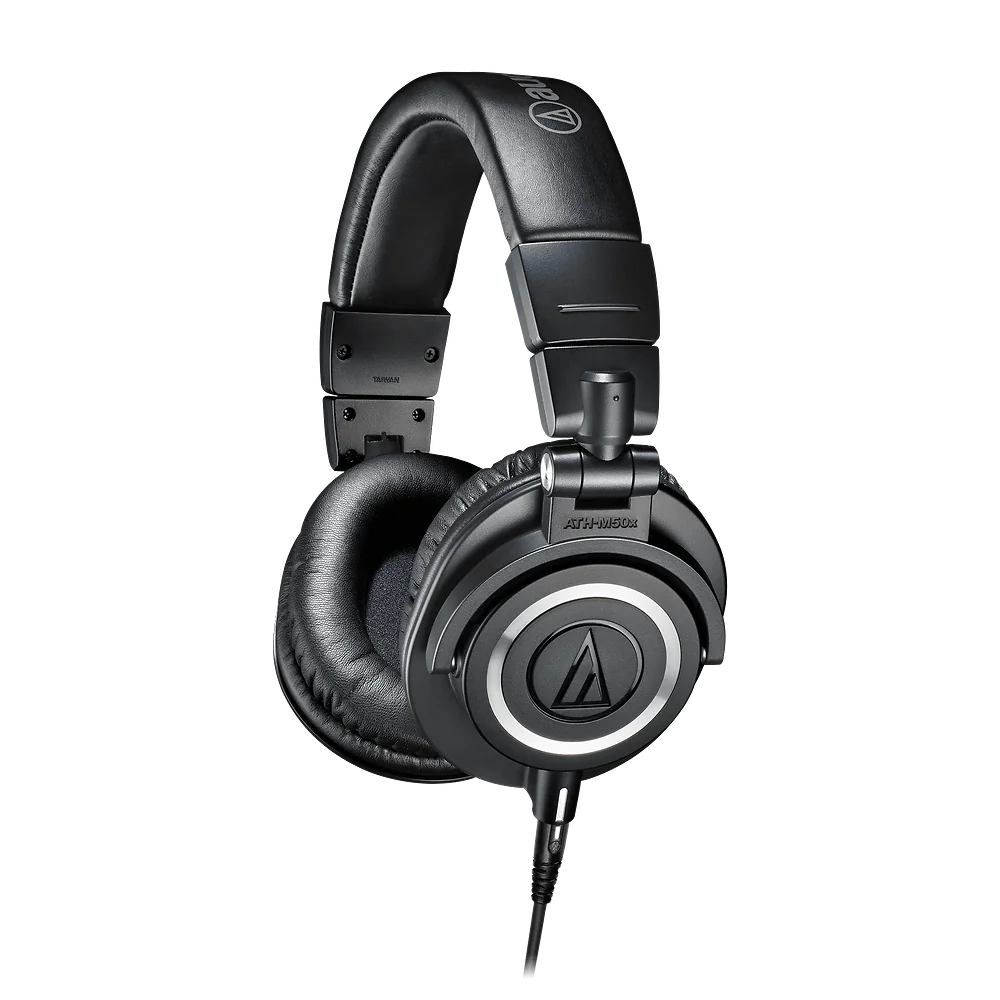
Audio-Technica ATH-M50x Professional Studio Monitor Headphones, Black
Choose the black wired ATH-M50x for recording, everyday desk listening and replaceable-cable convenience if its pads fit you. Vocal tracking is a stronger case than shutting ou
-
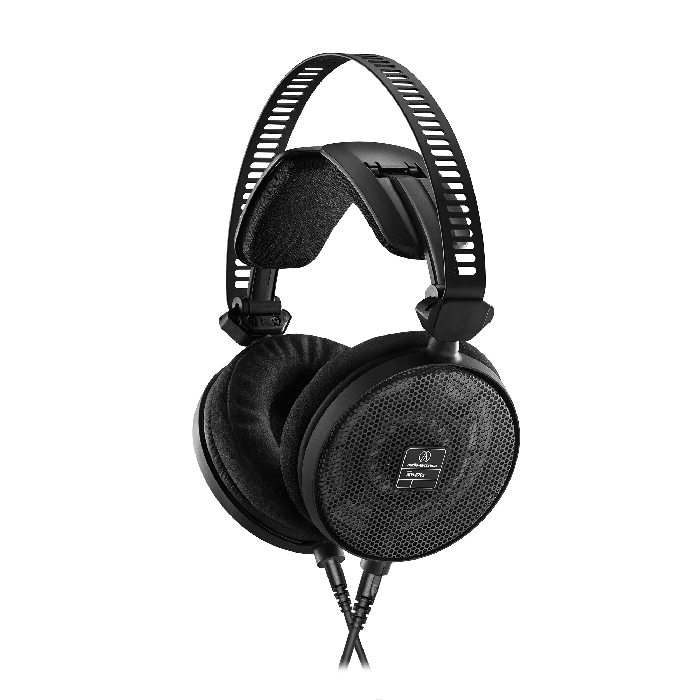
Audio-Technica ATH-R70x Professional Open-Back Reference Headphones
The ATH-R70x suits quiet-room listeners who value low weight and immersive spatial presentation. Check personal fit: low mass does not settle ear-cup clearance or sagging. Ver
-
Sennheiser HD 569 Closed-Back Around-Ear Headphones
The Sennheiser HD 569 is worth considering for home listening if you want a closed-back design, reviewer-praised comfort and a sense of space in playback. Sennheiser lists 38 mm drivers and a weight of 300 g.
-
beyerdynamic DT 770 PRO 80 Ohm Closed-Back Studio Headphones, Black
Its documented studio-monitoring role and replacement padding support a conditional studio fit. Listening judgments differ: treble sensitivity and bass balance deserve an audi
Sources and method
- Beyerdynamic DT770 Pro (80 ohm) Review - Beyer's Finest?Headphones.com · retrieved 2026-10-08Editorial review
- Beyerdynamic DT 770 Pro ReviewMusicProductionWiki · retrieved 2026-09-27Editorial review
- Beyerdynamic DT770 Pro - 80 OhmsPragmatic Audio · retrieved 2026-10-08Lab review
- DT 770 PRO 80 Ohm Professional Monitoring Headphonebeyerdynamic Australia · retrieved 2026-10-08Retailer listing
- DT 770 PRO (80Ω)DIY-Audio-Heaven · retrieved 2026-10-08Lab review
- Beyerdynamic DT 770 Pro 80 OhmHeadphoneCheck · retrieved 2026-09-27Editorial review
- Beyerdynamic DT 770 PRO Review: The Tracking StandardHomeRecordingSetup · retrieved 2026-09-27Editorial review
- DT770PRO_DB_Ebeyerdynamic · retrieved 2026-10-08DatasheetPDF