Sony MDR-7506 Professional Stereo Monitor Headphones
Sony documents studio and broadcast use. Independent comfort observations differ, so evaluate fit on the actual unit and do not generalize an aged sample with replaced cushions to new stock.
Updated 2026-10-07

We may earn a commission from qualifying purchases.
Prices and sellers
No price information yet
Conditions and limitations
Reviewed Sony documentation and independent tests for studio role, electrical quantities and fit. Exact hardware revisions and source-equipment guarantees remain unknown.
Compatibility
Read the nominal impedance and measured DC resistance, plus independent source-equipment discussion; no exact current phone or interface combination is established as a fully tested case.
Where sources differ
Comfort observations differ
- Explanation
- Fit is individual and exact sample revisions are unspecified; preserve both observations and recommend a personal trial.
- Status
- unresolved
Reported issues and fixes
Independent reports document shallow-pad discomfort and an aged sample's cushion deterioration. Neither establishes a current-generation failure rate or a revision-specific manufacturer defect.
Care and support
Historical ear-pad service documentation
- Details
- Sony's 2002 manual lists an ear-pad assembly. Current regional availability and part compatibility remain unverified.
Ownership costs
Researched cushion condition and historical replacement documentation. No prices submitted; no verified current repair cost or total ownership calculation is claimed.
Who it suits
Choose only after a realistic fit trial
- Check before buying
- Try it during a realistic session.
- Inspect cushion condition on a used unit.
- Consider the documented 3 m coiled cable.
- Constraints
- Comfort must be checked on the actual unit.
- Needs
- Documented broadcast or studio use.
- Reason
- The intended role is documented; fit and unit condition determine the practical choice.
- Tradeoffs
- Test-panel comfort is favorable for many listeners, but another independent reviewer reports shallow-pad discomfort.
- Assessment
- conditional
Sony Electronics · DIY-Audio-Heaven · Sonarworks · Explorations in Audio
Reviewer consensus
Single-source notes
- Comfort & usability: Weak point · 1/1 · [1]
The review
Sony MDR-7506: studio focus with a fit caveat
Who it is for
Sony describes the MDR-7506 as a headphone for broadcast and studio environments, and its datasheet specifies a 40 mm PET diaphragm. Those statements establish its intended role and driver construction; they do not prove that it will suit every engineer or listener. The most useful buying question is whether its physical fit works for your actual session. DIY-Audio-Heaven reports discomfort from shallow padding, while most Sonarworks testers found it comfortable for long sessions. These are different experiences, rather than a universal comfort score. Treat this as a conditional studio choice: try the headphone with the glasses, working posture and session length you normally use. Pay attention to pressure and ear contact instead of relying on the professional label. A short demonstration may miss the very fit limitation that matters during a longer edit. The evidence supports considering the MDR-7506 for its documented purpose, but it leaves personal comfort to an individual trial. [1], [4], [5]
The main buying caution
DIY-Audio-Heaven's discomfort finding remains a meaningful warning, but Sonarworks' panel experience prevents it from becoming a claim that nobody can wear the MDR-7506 comfortably. Most of that panel found long sessions comfortable, while some testers reported pressure points. The evidence therefore supports uncertainty about your fit rather than a categorical promise. During a trial, use the headphone as you would at work, not merely while standing at a counter. Notice whether your ears meet the inside of the cups and whether any pressure grows with time. If you have access to more than one sample, inspect the condition of the cushions before attributing a difference solely to your head shape. A buying decision can reasonably turn on comfort even when the intended professional use matches your needs. The useful conclusion is conditional: its studio role is documented, but a fit that causes discomfort is a reason to choose another headphone or investigate a suitable replacement cushion. [1], [5]
A hands-on review can concern a different physical sample
Explorations in Audio provides a useful English hands-on account, but its sample was aged and its deteriorating original cushions were replaced. That condition is central to interpreting the review. A listening impression from that headphone is evidence about the unit the reviewer actually used; it cannot establish identical comfort or sound from a newly purchased unit with untouched stock pads. The review remains valuable because it describes real handling rather than repeating a catalogue, yet the sample history should travel with any conclusion drawn from it. When comparing reviews, look for pad condition, repairs and the equipment used, and be cautious if those details are absent. For a used purchase, inspect the cushions directly and ask what has been changed. A replaced component does not automatically make the sample better or worse; it changes what the evidence can represent. This research does not infer a manufacturing revision or a current country of manufacture from that older unit, nor does it turn its long survival into a guaranteed service life for another pair. [2]
Check the cable, condition and fit before committing
Sony's datasheet lists a 3 m coiled cord for the MDR-7506. Consider how that documented cable arrangement fits the distance between your seat and the audio equipment, and try routing it in your own workspace if possible. A listed length is not a promise that every desk arrangement will be convenient. The buying verdict remains conditional: the documented studio and broadcast purpose makes the model relevant, but the comfort disagreement and the history of replaced cushions make a personal fit check especially useful. Keep nominal impedance and measured DC resistance separate when assessing equipment descriptions. Check the actual condition of a used pair, and confirm replacement compatibility rather than assuming a historical part listing guarantees supply. The evidence reviewed here does not identify an exact hardware revision for every independent sample, establish a current regional warranty, or provide a verified lifecycle support deadline. Those gaps remain visible. Buy only after the documented role and the practical trial align with your needs; a professional-use label alone cannot answer those ownership questions. [1], [4], [7], [5], [2]
What the verified specification says
The 40 mm driver specification describes a physical component, not a measured judgement about sound accuracy. Likewise, Sony's historical US/AEP service manual lists nominal impedance as 63 ohms at 1 kHz, while DIY-Audio-Heaven reports measured DC resistance of 71 ohms. These values describe different electrical quantities and test conditions. They should remain separate in a comparison instead of being presented as competing answers to one specification. The measured DC value is recorded here as a review measurement, with the reviewer as its source; it is not substituted into Sony's nominal impedance field. For a buyer, the practical consequence is to compare like with like when reading equipment tables. If a seller lists a different impedance, ask which quantity and frequency it describes before concluding that the headphone is another revision. Neither figure alone establishes the output level of an unspecified phone, interface or amplifier. Confirm the intended source equipment with a real listening trial rather than turning a single electrical number into a compatibility guarantee. [7], [1], [4]
Repair documentation is not a current parts guarantee
Sony's 2002 service manual lists an ear-pad assembly in its mechanical parts inventory. Together with the repaired sample described by Explorations in Audio, that supports a limited conclusion: cushion replacement is part of the documented ownership story. It does not prove that a particular spare is available today in your country, or that every historical part number remains the correct choice for a current unit. Before ordering a replacement, confirm model fit, part identity and the seller's return terms. If serviceability is an important reason for buying, check a local repair route while the purchase is still optional. The research does not supply a current parts price, a repair estimate, a warranty duration or a lifetime cost total. A historical service document is useful for understanding construction, but it cannot settle those present-day questions. Plan for uncertainty in local supply and distinguish an owner replacing cushions from more involved repair work whose procedures and required skills have not been established here. [2], [7]
Measured performance
Dc resistance
71 ohmReviewer-reported DC resistance measurement · DIY-Audio-Heaven reports measured DC resistance, not nominal impedance at 1 kHz. Sample count and hardware revision are unspecified.
Source [1]Buyer questions
Before you buy
What use does Sony document for the MDR-7506?
Sony describes broadcast and studio environments. That intended role does not guarantee personal comfort or suitability for every task. [4]
What driver size does it use?
Sony's datasheet specifies a 40 mm PET driver. [4]
Compatibility
Facts and specifications
Manufacturer datasheet
| Specification | Value | Source |
|---|---|---|
| Cable Length | 3 m US | [4] |
| Driver Size | 40 mm US | [4] |
| Use Case | Sony describes the MDR-7506 as intended for broadcast and studio environments. US | [4] |
Manufacturer manual
| Specification | Value | Source |
|---|---|---|
| Frequency | 1 kHz US/AEP historical manual | [7] |
| Impedance | 63 Ω US/AEP historical manual | [7] |
Other facts
KnowSpec analysis
A conditional studio fit
Sony documents studio and broadcast use. Independent comfort observations differ, so evaluate fit on the actual unit and do not generalize an aged sample with replaced cushions to new stock.
Method: Synthesis of re-read Sony documentation and scoped independent reviews.Visible information gaps
Missing information is shown rather than guessed.
- Topic:Frequency Responsenot found
- Topic:Repairabilitynot found
- Topic:Build Qualitynot found
- Topic:Isolation And Leakagenot found
- Topic:Distortionnot found
- Topic:Battery Lifenot found
- Topic:Limitationsnot found
Products in this content
-
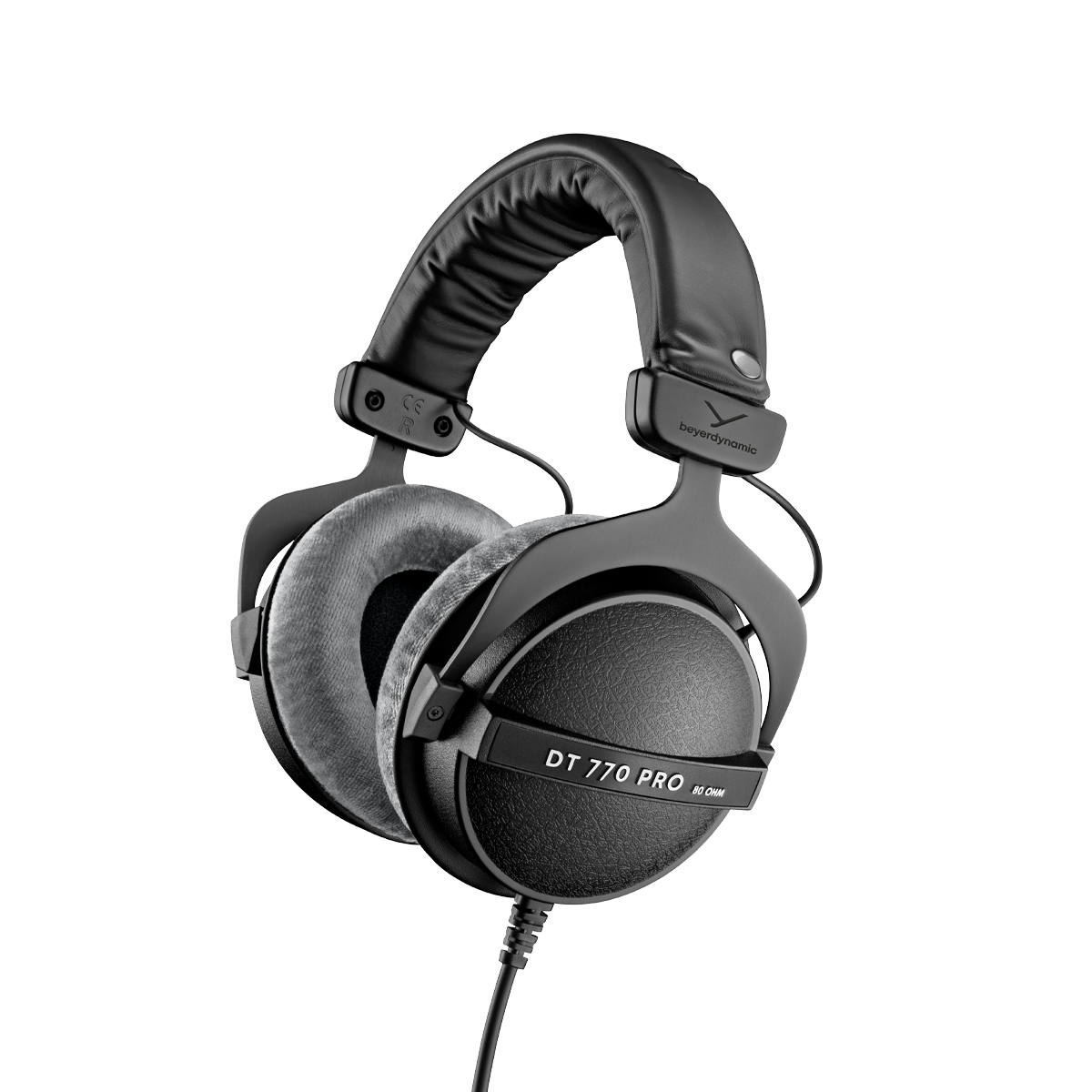
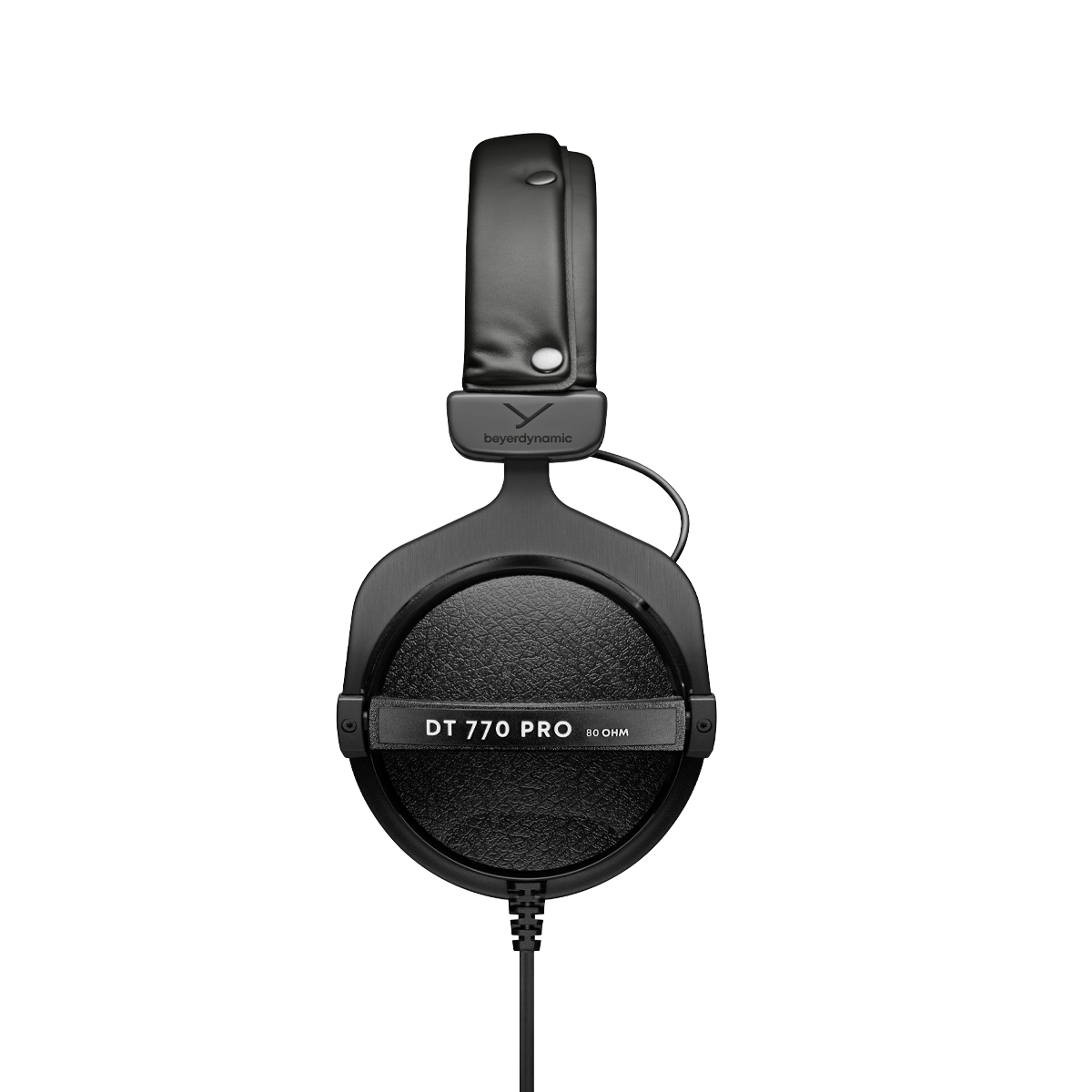
beyerdynamic DT 770 PRO 80 Ohm Over-Ear Studio Headphones
The closed-back design and comfortable velour pads suit recording sessions, while replacement components support maintenance. HeadphoneCheck favors the 80 Ohm model for recording over final mi
-
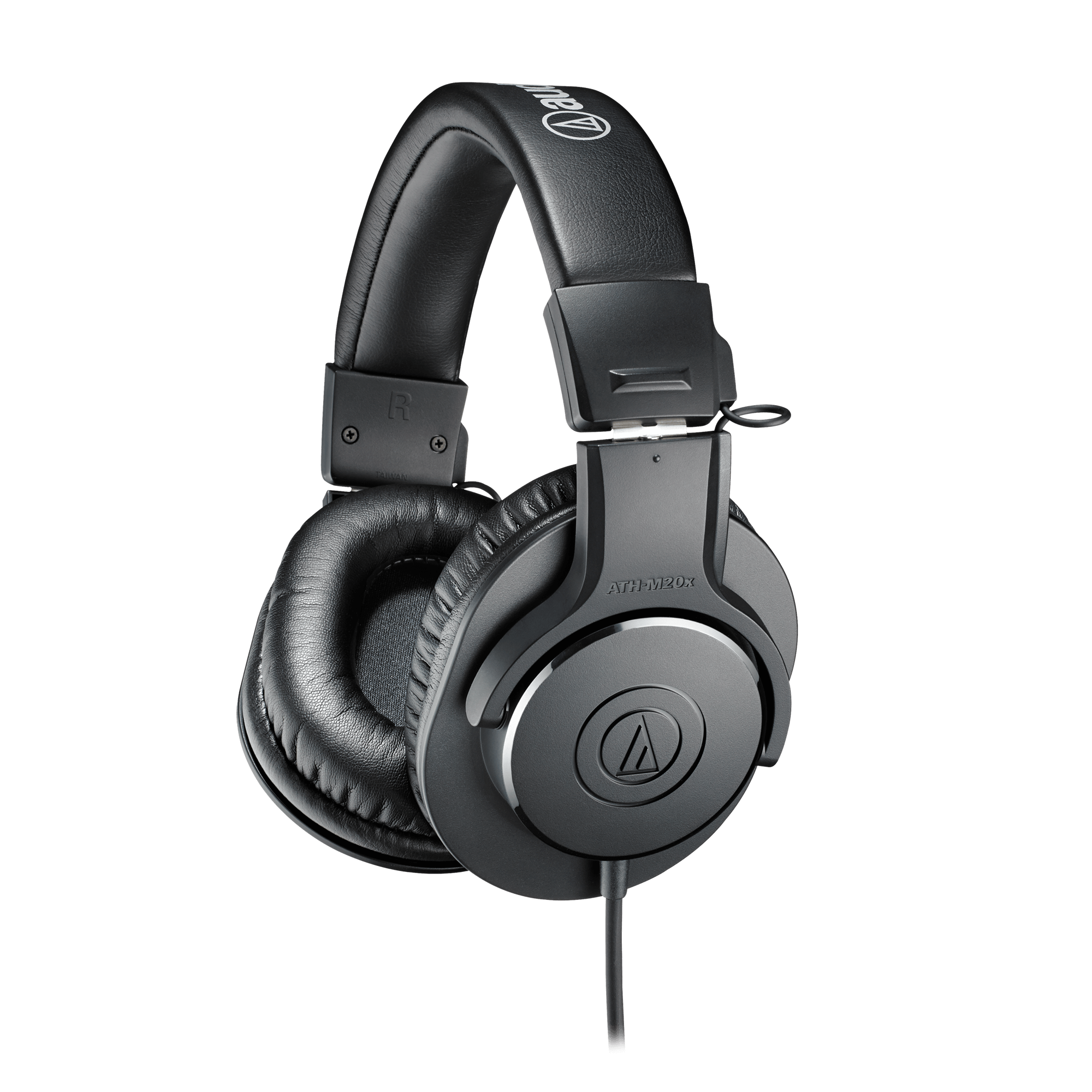
Audio-Technica ATH-M20x Professional Studio Monitor Headphones
The Audio-Technica ATH-M20x suits buyers seeking an accessible wired monitoring headphone that runs from common devices without a dedicated amplifier. Accepted reviews describ
-
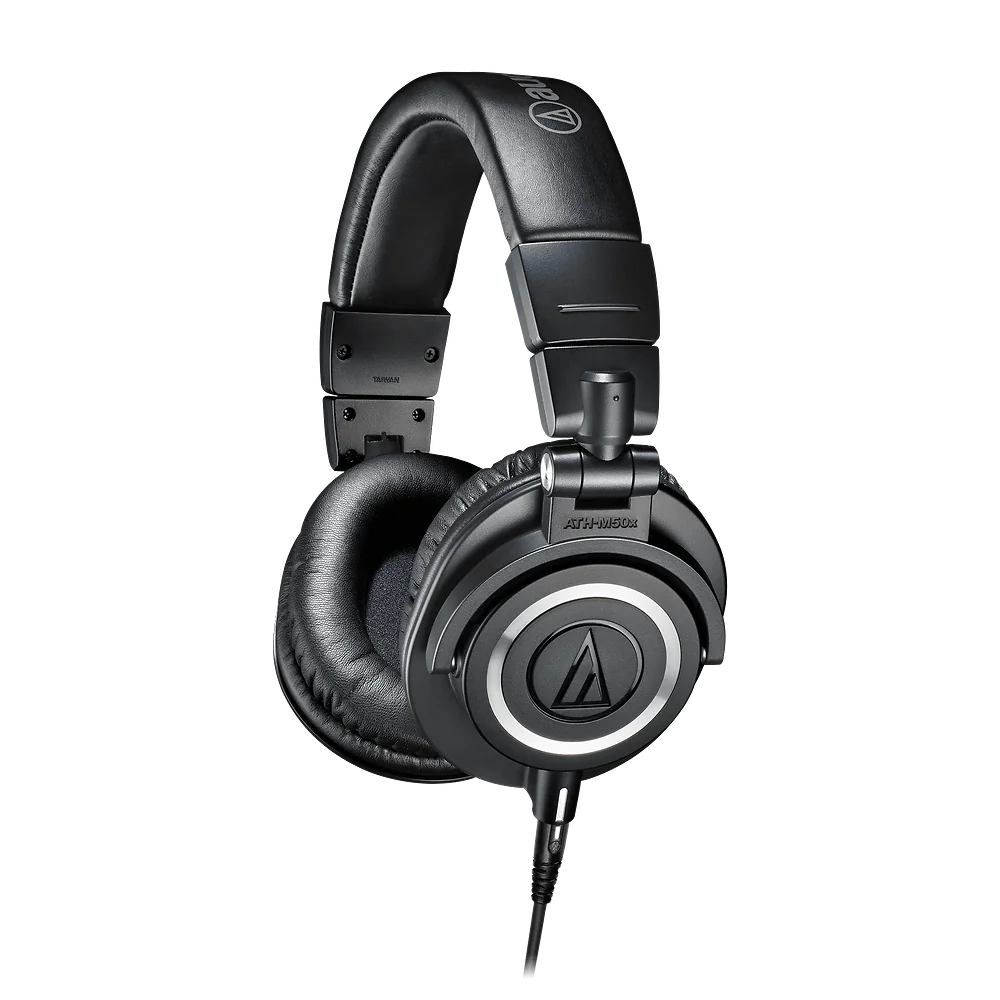
Audio-Technica ATH-M50x Professional Studio Monitor Headphones, Black
Choose the black wired ATH-M50x for recording, everyday desk listening and replaceable-cable convenience if its pads fit you. Vocal tracking is a stronger case than shutting ou
-
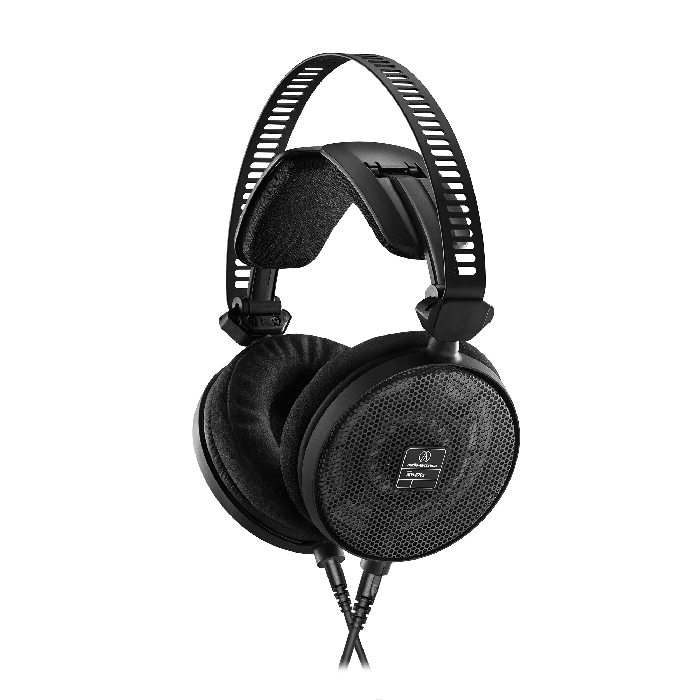
Audio-Technica ATH-R70x Professional Open-Back Reference Headphones
The ATH-R70x suits quiet-room listeners who value low weight and immersive spatial presentation. Check personal fit: low mass does not settle ear-cup clearance or sagging. Ver
-
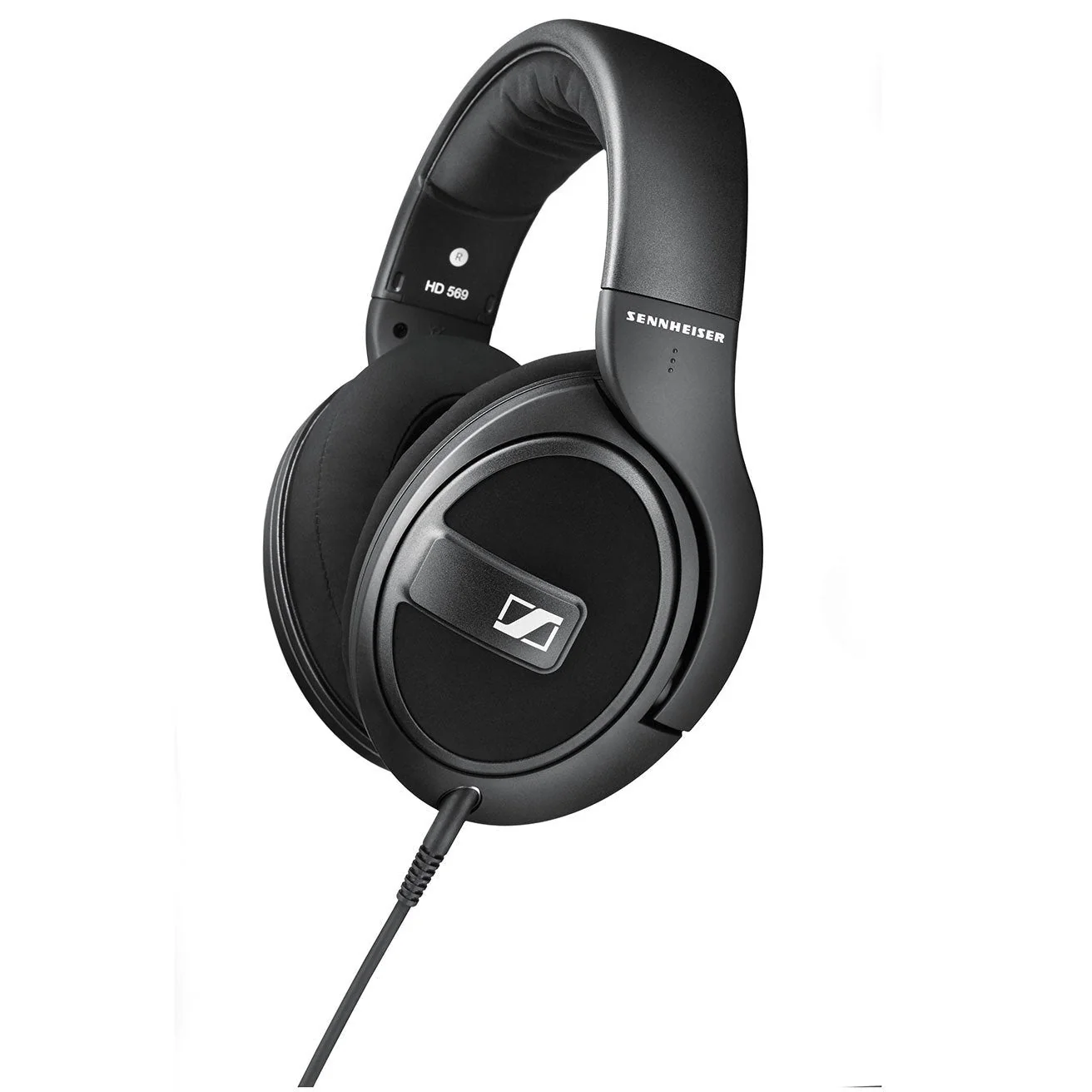
Sennheiser HD 569 Closed-Back Around-Ear Headphones
The Sennheiser HD 569 is worth considering for home listening if you want a closed-back design, reviewer-praised comfort and a sense of space in playback. Sennheiser lists 38 mm drivers and a weight of 300 g.
-
beyerdynamic DT 770 PRO 80 Ohm Closed-Back Studio Headphones, Black
Its documented studio-monitoring role and replacement padding support a conditional studio fit. Listening judgments differ: treble sensitivity and bass balance deserve an audi
Sources and method
- Sony MDR-7506 measurementsDIY-Audio-Heaven · retrieved 2026-10-07Lab review
- Sony MDR-7506 ProfessionalExplorations in Audio · retrieved 2026-10-07Editorial review
- Sony MDR-7506 measurementsDIY-Audio-Heaven · retrieved 2026-09-27Lab review
- MDR-7506 Studio HeadphonesSony Electronics · retrieved 2026-09-27DatasheetPDF
- Sony MDR-7506 Studio Headphone ReviewSonarworks · retrieved 2026-10-07Lab review
- Sony MDR-7506 ReviewRTINGS · retrieved 2026-09-27Lab review
- MDR-7506 Service Manual Ver 1.1 2002.07Sony Engineering Corporation · retrieved 2026-10-07ManualPDF