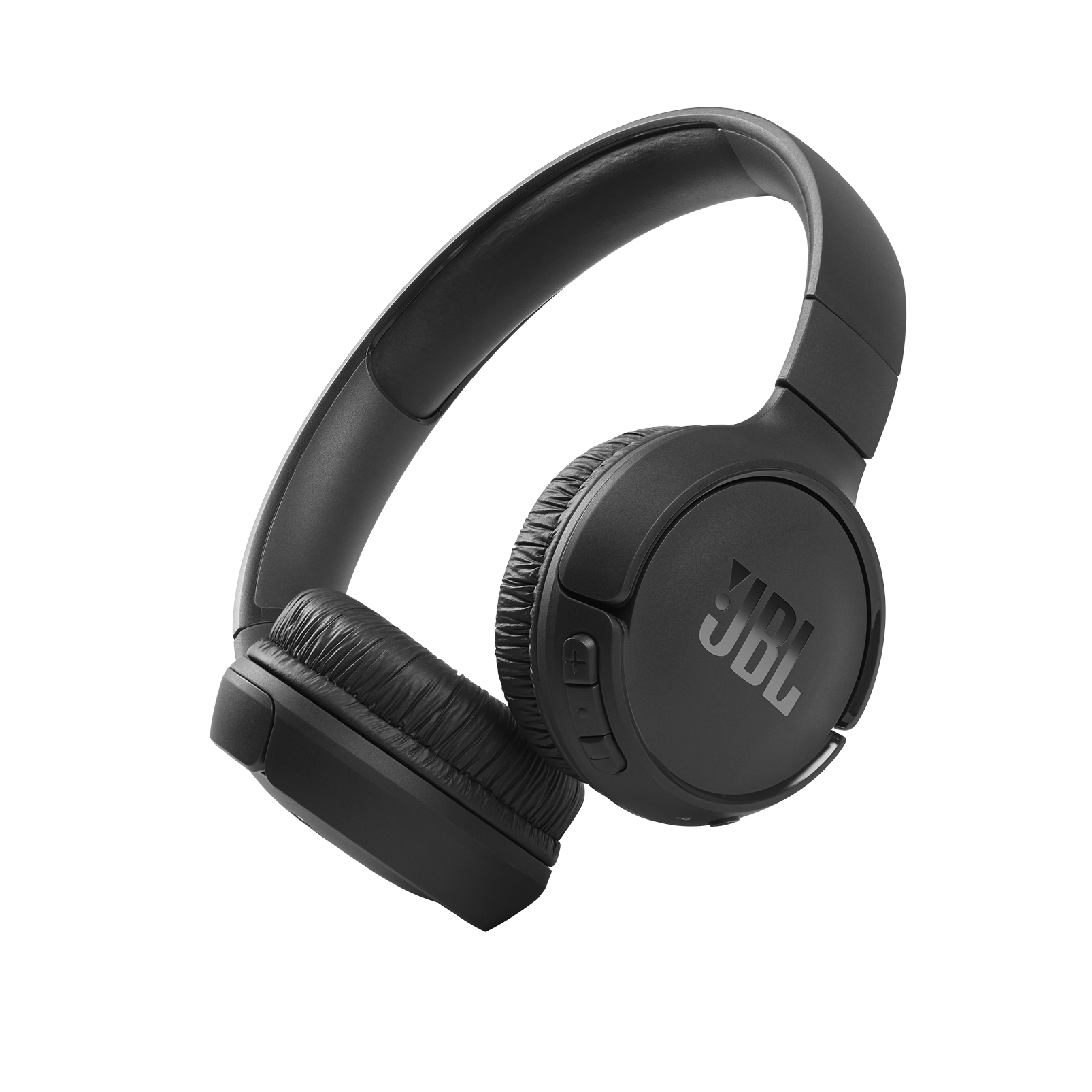
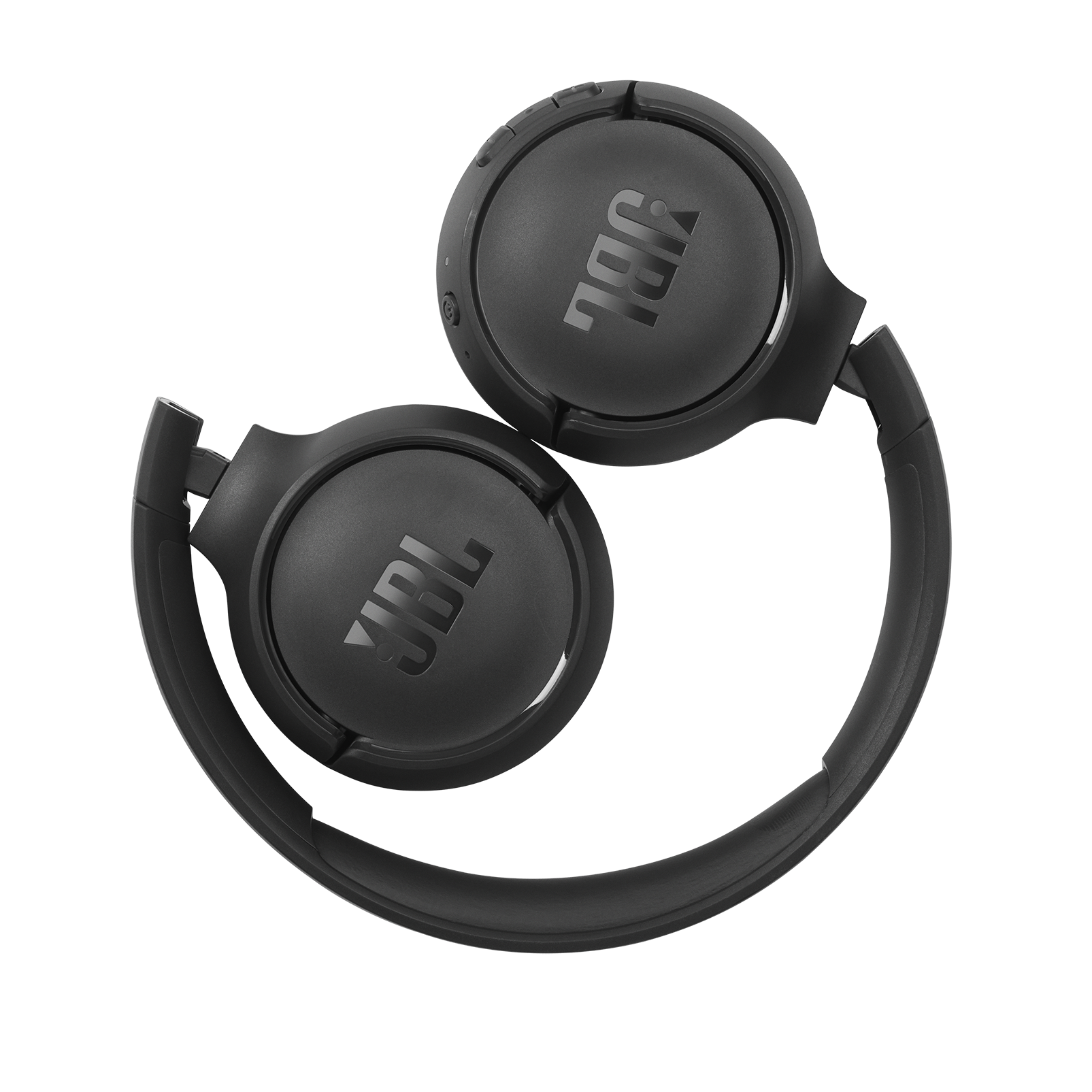
JBL Tune 510BT - Bluetooth headphones with up to 40 hours battery, microphone for call, foldable and comfortable, Android and iOs compatible (White)
The Tune 510BT fits listeners who prefer emphasized bass and long wireless playback. Tikevo's approximate 37-hour result at roughly 60% volume supports that use, but does not promise identical endurance on another device. The lack of ANC, reported leakage and on-ear pressure matter more for noisy journeys or shared offices than the runtime alone. Try the fit before committing to long sessions and treat the reported SBC-only codec support as this review's account rather than a measured latency result.
Updated 2026-10-08

We may earn a commission from qualifying purchases.
Prices and sellers
No price information yet
Conditions and limitations
Compatibility
Two-device source switching
- Connection
- Pause music on the current device before starting the second source.
- Functions
- Switch music source
- Receive prioritized phone calls
- Notes
- Manufacturer-documented workflow; exact host and firmware combinations were not independently tested here. A remaining device may require manual reconnection.
- Protocol
- Bluetooth multipoint
- Result
- partial
- Source device
- Two Bluetooth source devices; exact models unspecified
- Target device
- JBL Tune 510BT
Where sources differ
Reviewers differ on sustained fit
- Explanation
- Different reviewers and unspecified samples cannot establish a universal comfort duration or a verified hardware explanation.
- Status
- unresolved
Reported issues and fixes
Clamping fatigue, high-volume leakage and absent ANC are documented limitations. No confirmed hardware defect, firmware fix or failure rate was established.
Care and support
The manufacturer documentation identifies an included warranty/warning document, but does not establish US warranty duration, repair procedures, spare-part availability or battery replacement terms.
Who it suits
Casual wireless listening with tolerable ear pressure
- Check before buying
- Try a realistic listening session.
- Check source switching with the intended devices.
- Confirm that ANC is not required.
- Constraints
- Active noise cancellation and transparency are absent.
- Fit tolerance differs between wearers.
- Needs
- Bass-forward casual listening
- Extended wireless playback
- Reason
- Suitable when the stock bass-oriented sound, individual fit and isolation limits meet the buyer's needs; exact host and firmware behavior remain unverified.
- Tradeoffs
- Long mixed-use runtime does not establish all-day comfort.
- Two-device switching requires the documented operating sequence.
- Assessment
- conditional
RecordingNow · Tikevo · JBL
Areas not yet researched (1)
No conclusion is available for these areas. This does not mean the Product has no limitations or reported issues.
- Ownership costs
Reviewer consensus
Consensus rows require at least two distinct sources for the topic.
| Topic | Positive | Negative | Mixed | Reading | Evidence |
|---|---|---|---|---|---|
| Comfort & usability | 1 | 1 | 1 | Mixed · 1/3 | [1], [7], [4] |
| Limitations | 0 | 2 | 0 | Weak point · 2/2 | [1], [1] |
Single-source notes
The review
JBL Tune 510BT: sound, battery, and everyday tradeoffs
Sound profile and buyer fit
The JBL Tune 510BT is a bass-forward choice according to the listening evidence, rather than a neutral reference for every recording. RecordingNow describes the stock tuning as consumer-friendly and bass-heavy, with vocals sounding somewhat distant beneath that emphasis. The manufacturer's datasheet specifies 32 mm dynamic drivers, but driver diameter alone does not establish tonal balance or sound quality. For someone who enjoys prominent bass in pop, hip hop or electronic music, the review's recommendation is understandable. Someone who listens mainly for clearly separated voices should give the same observation equal weight as a caution and audition familiar tracks before deciding. [1], [6]
This buyer fit is a preference-based interpretation of attributed listening impressions. It does not mean every bass-heavy track will sound the same, or that all listeners will agree with the reviewer. The practical question is whether the stock balance suits the music you actually play. RecordingNow also reports that this model lacks access to the JBL smartphone app. That limitation matters because a buyer expecting an app-based route to reshape the tuning should not assume that capability is available here. A pleasing first impression with one song is less informative than checking both vocal-led recordings and bass-driven material you already know well. [1], [1]
The combination of emphasized bass and reported missing app access makes the purchase decision fairly specific. Choose on the basis of the existing sound profile, and verify any essential customization requirement before buying. The evidence supports a casual, bass-oriented listening role; it does not certify studio monitoring accuracy, an adjustable equalizer, or superior detail across every genre. Keeping that distinction explicit preserves the useful recommendation without turning one reviewer's enthusiasm into a universal endorsement. If your priority is an unobtrusive vocal balance or extensive sound adjustment, the cited limitations deserve attention even when long wireless playback is attractive. [1], [1]
Build and comfort
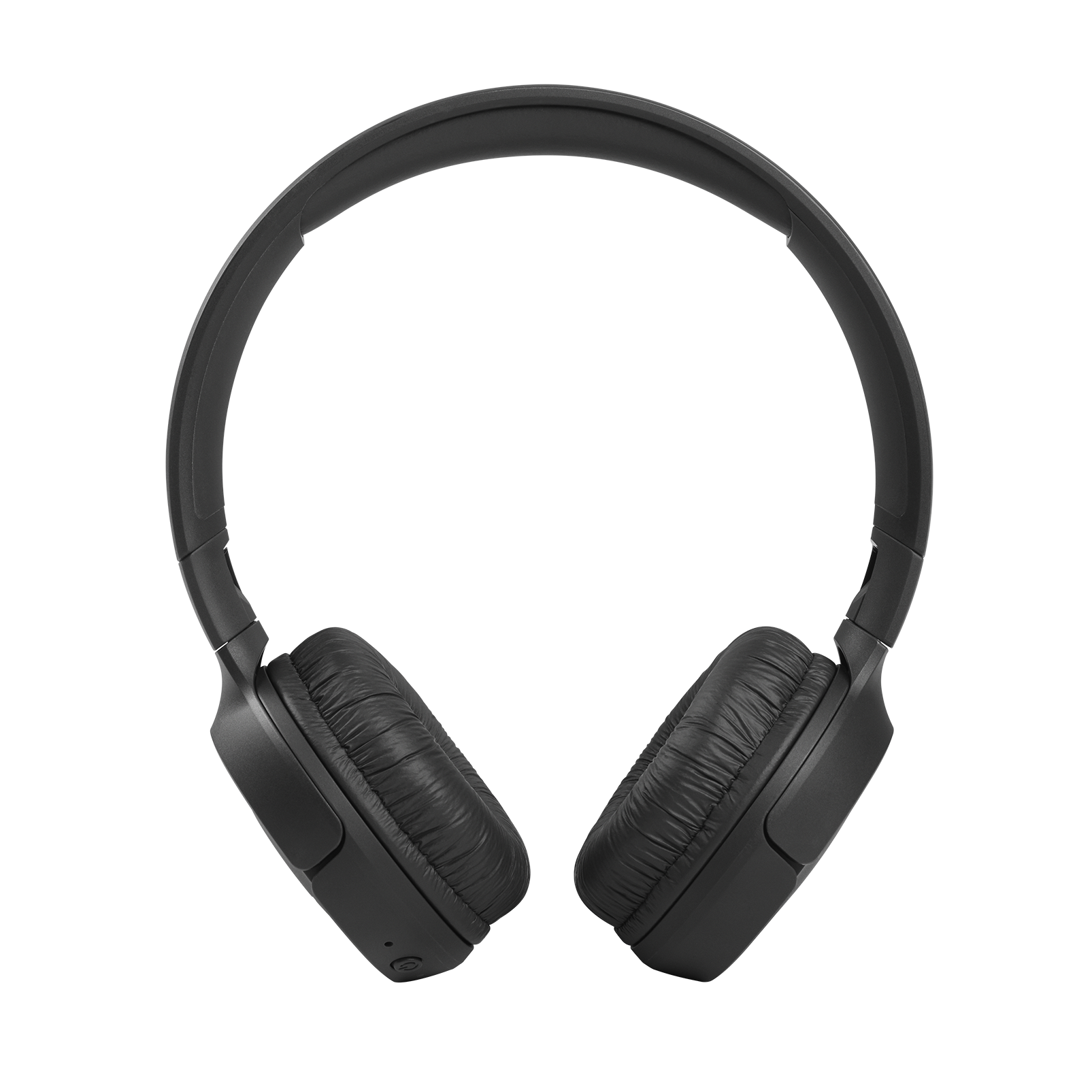
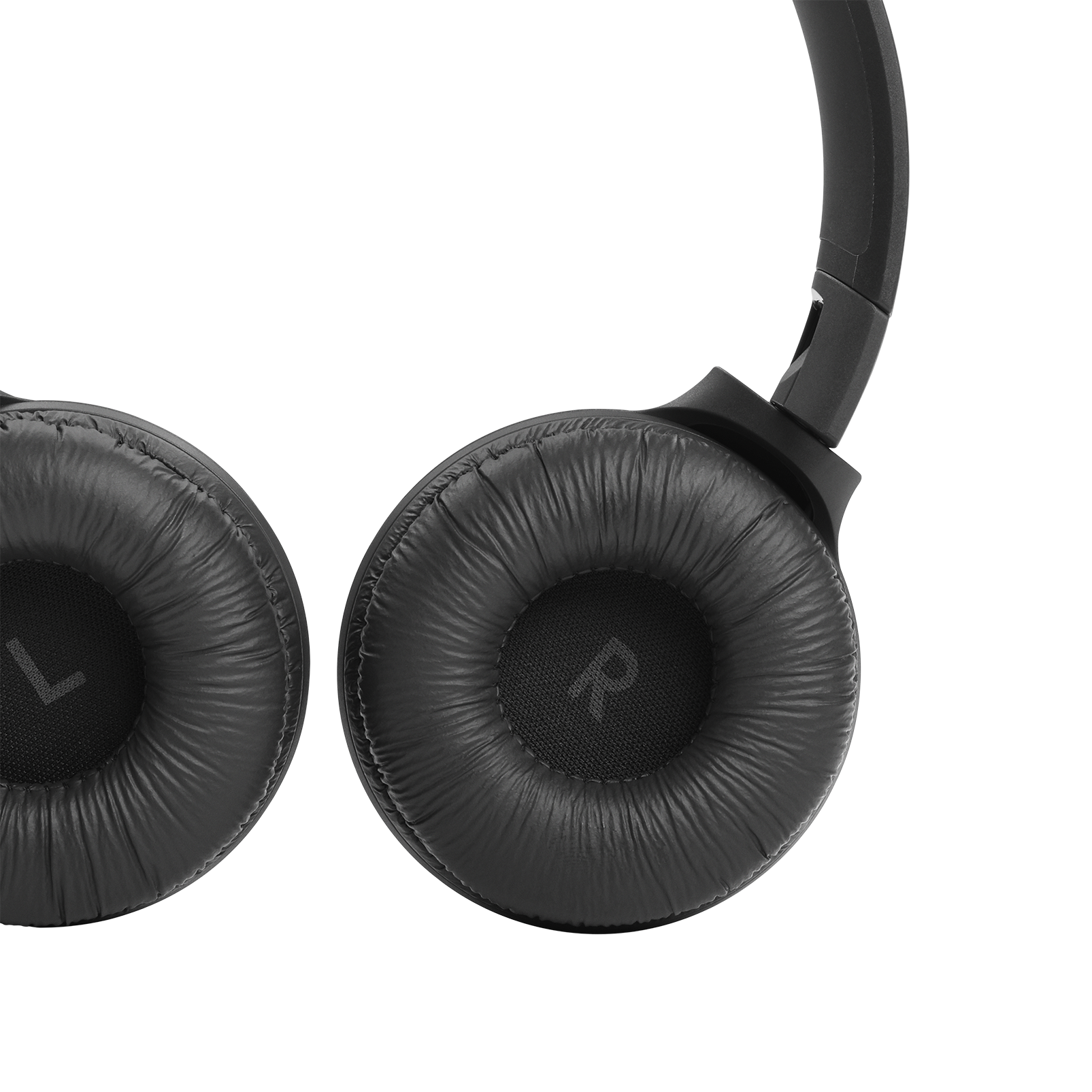
RecordingNow describes an entirely plastic construction with inexpensive ear cushions that are not especially plush or supportive. The same reviewer reports 158.1 grams for the Tune 510BT on a scale. This is a physical mass observation, whereas the criticism of cushioning is a subjective assessment. The published scale result does not specify calibration, color, regional SKU or hardware revision. It therefore adds useful evidence about the reviewed sample without certifying every production unit. Tikevo separately reports that on-ear clamping becomes tiring after about 90 minutes. Low measured mass and sustained comfort are different properties, and neither should be used as a substitute for the other. [1], [7], [1]
Comfort reports are not unanimous. Headphone Dungeon describes a fit that is initially a little tight on the ears but becomes more comfortable as it conforms. Tikevo describes a point at which its reviewer wants a break. These observations came from different reviewers and should not be averaged into a universal comfort duration. They also do not establish a tested long-term break-in schedule. For the buyer, the useful implication is to check pressure and fit during a realistic listening session, rather than accepting a lightweight label as an all-day guarantee. Your tolerance for direct ear pressure may matter more than a small difference in measured mass. [7], [1], [4]
The build and fit evidence supports keeping expectations modest and specific. Plastic construction is not itself a measured failure rate, and criticism of inexpensive cushions does not prove that a unit will break after a given period. This refresh has no verified repair procedure, battery replacement promise or endurance test that would justify such predictions. Treat those missing details as research limits. If you need prolonged uninterrupted listening, compare the reported clamping impressions with your own fit test. If serviceability is central to your decision, obtain a model-specific answer before buying. This preserves the existing comfort warning while avoiding unsupported claims about lifespan or maintenance. [1], [7], [4]
Battery and codec support
JBL rates Bluetooth music playback at up to 40 hours and lists a two-hour charging time. These are manufacturer specifications, not guaranteed results for every listening routine. Tikevo reports about 37 hours at roughly 60% volume with mixed use, which provides a separate real-use observation. Its playback mix, host device, firmware and discharge endpoint are not fully specified, so the result should not be treated as a standardized minimum. JBL additionally states that a five-minute recharge gives two further hours of music. That top-up statement is useful context, but this research does not contain a controlled independent test of that charging claim. [7], [6]
The manufacturer lists an included USB-C charging cable. The quick-start guide also explains a multipoint workflow with a maximum of two devices. To change the music source, it tells you to pause music on the current device and then start playback on the second. Phone calls take priority. These instructions describe switching between sources, so a buyer should avoid reading the feature name as a promise of simultaneous mixed audio. The guide warns that if one device goes out of Bluetooth range or powers off, the remaining device may need to be reconnected manually. Test this sequence with the hosts you intend to use. [6], [8]
Tikevo documents SBC-only codec support and says AAC and aptX are absent in its account. That is a reviewer-stated codec limitation, distinct from a numerical measurement of delay or sound fidelity. The multipoint instructions and mixed-use battery result likewise answer different questions: how to operate a device pair and how long one reviewer listened. Together they support a basic wireless routine, but they cannot establish every phone's negotiated codec, every operating system's behavior, or game-specific latency. If a particular codec or precise audiovisual timing is essential, verify it directly for the intended device combination instead of inferring it from the battery figure. [7], [8]
Isolation limitations
The cited evidence says the Tune 510BT has neither active noise cancellation nor transparency mode. AudioPick also notes audible leakage at high listening volumes. These are two different concerns: reducing what you hear from the surroundings and limiting what nearby people hear from the headphones. A long battery result does not resolve either issue. For a traveler who requires active noise cancellation, the documented absence of that feature is a direct mismatch. For someone in a quiet shared room, the leakage observation suggests checking a comfortable playback level with another person nearby before relying on the headset for private listening. [1], [7], [3]
A useful buying decision starts with the requirements that cannot be compromised. If active noise cancellation, transparency or app-based tuning is essential, the cited limitations deserve more weight than the bass-oriented recommendation. If you mainly want the stock bass-forward sound and can accept the isolation and customization limits, the evidence offers a clearer fit. Leakage is reported qualitatively here; this package does not supply a standardized leakage level at a defined volume and distance. It would be misleading to translate the warning into a precise acoustic figure. The same restraint applies to any claim that this headset is ideal for every commute or every office. [1], [3], [1]
Overall, the supported case is for casual wireless listening by someone who likes emphasized bass, values long playback and can tolerate the on-ear fit. The approximate 37-hour mixed-use observation and documented two-device workflow make that role concrete, but do not guarantee identical results with every host or wearer. Before buying, try the fit, check source switching on the devices you will use, and decide whether the absence of active noise cancellation is acceptable. The remaining uncertainty concerns exact regional hardware and firmware behavior, repairability and repeatable lab performance. None of those gaps should be filled by assuming that a different Tune model's features apply to this one. [1], [7], [8]
Measured performance
Battery runtime
37 hoursReviewer mixed-use battery observation · Approximately 37 hours at roughly 60% volume with mixed use. Playback mix, host, firmware and exact discharge endpoint are unspecified. Tikevo reports a month of use; this is not a standardized repeated laboratory test.
Source [7]Headphone mass
158.1 gReviewer scale weighing · RecordingNow reports 158.1 grams for the Tune 510BT on the reviewer's scale. Scale model, calibration, color, regional SKU and hardware revision are not specified.
Manufacturer specification, not a measurement.
Source [1]Alternatives
| Alternative | Where this Product wins | Where it loses | Pick it if |
|---|---|---|---|
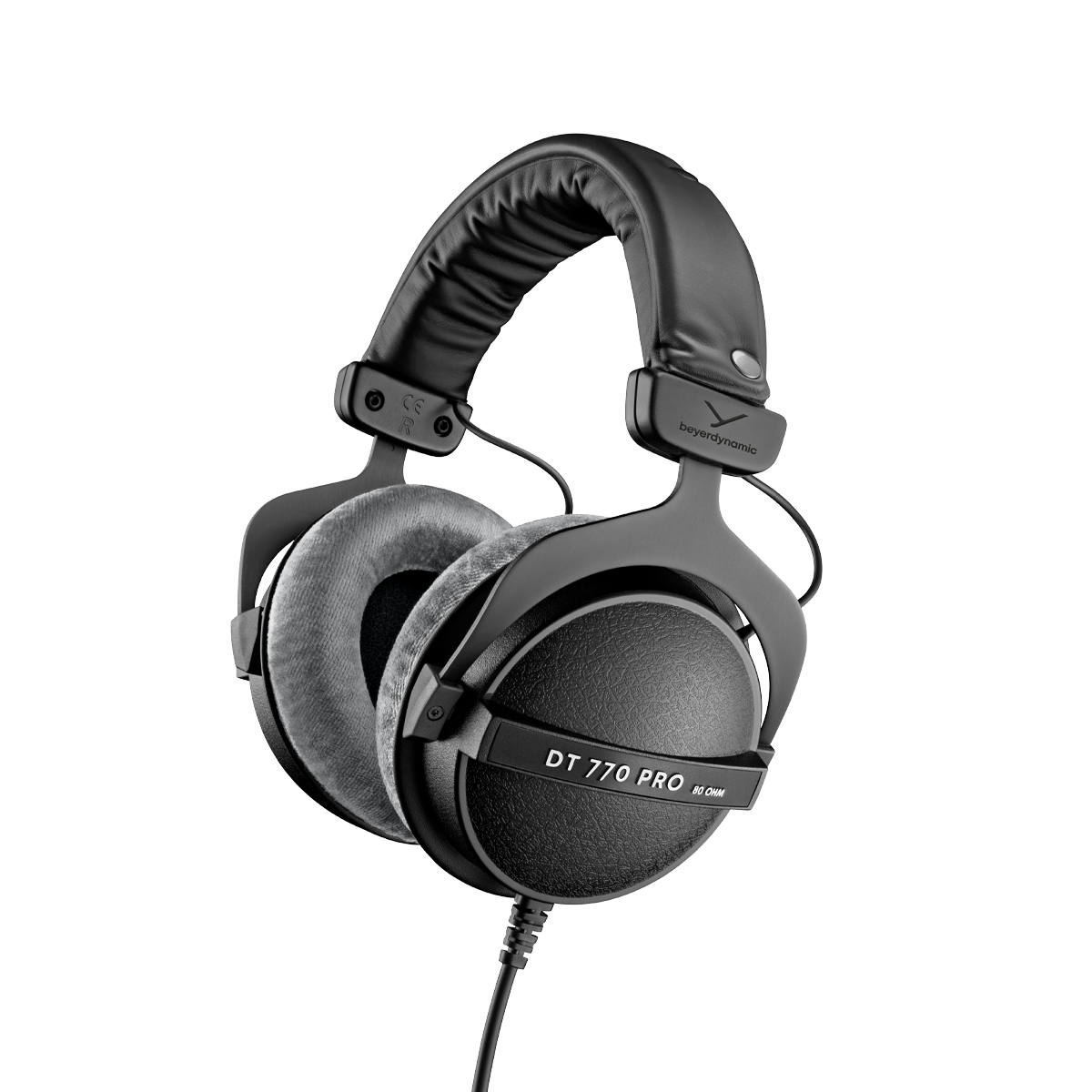
| beyerdynamic DT 770 PRO 80 Ohm Over-Ear Studio Headphones | The JBL has a reviewer-reported mixed-use battery result of about 37 hours; the inherited rival record describes a wired studio headphone. [7] | The JBL lacks active noise cancellation and has reported leakage at high volume; the inherited beyerdynamic record describes closed-back tracking isolation. [1], [3] | Consider the JBL for battery-powered casual listening; the inherited rival record addresses wired studio recording and tracking isolation. |
| Specification | JBL Tune 510BT - Bluetooth headphones with up to 40 hours battery, microphone for call, foldable and comfortable, Android and iOs compatible (White) | beyerdynamic DT 770 PRO 80 Ohm Over-Ear Studio Headphones |
|---|---|---|
| Use Case | JBL states that a five-minute recharge gives two additional hours of music. [6] | Studio recording and monitoring. |
| Cable Length | Not stated | 3 m |
| Acoustic Design | Not stated | Closed-back with tracking isolation. |
Buyer questions
Before you buy
Who is the JBL Tune 510BT best suited to?
It is suited to listeners who favor bass-heavy modern genres such as pop, hip hop, and electronic music. [1]
Compatibility
Which Bluetooth codecs are documented?
The evidence documents SBC only, with no AAC or aptX. [7]
Everyday use
Limitations
Does it include active noise cancellation?
No. The evidence states that it has neither active noise cancellation nor transparency mode. [1]
Product images
Facts and specifications
Manufacturer datasheet
| Specification | Value | Source |
|---|---|---|
| Battery Life | 40 hours | [6] |
| Charge Time | 2 hours | [6] |
| Driver Size | 32 mm | [6] |
| Interface | USB-C charging cable is included. | [6] |
Manufacturer manual
| Specification | Value | Source |
|---|---|---|
| Compatibility | Multipoint permits at most two devices; pause the current music source before playing the second. | [8] |
Stated by reviewers
| Specification | Value | Source |
|---|---|---|
| Bluetooth Codecs | SBC only; no AAC or aptX. US | [7] |
Measured by a lab
Other facts
| Specification | Value | Source |
|---|---|---|
| Buyer Fit | Best suited to listeners who favor bass-heavy modern genres. US | [1] |
| Limitation | No active noise cancellation or transparency mode. US; On-ear clamp can become tiring after about 90 minutes. US; RecordingNow reports no access to the JBL smartphone app for the Tune 510BT. | [1], [7], [1] |
| Setup Requirement | Phone calls take priority; a remaining device may need manual reconnection if the other goes out of range or powers off. | [8] |
| Use Case | JBL states that a five-minute recharge gives two additional hours of music. | [6] |
KnowSpec analysis
Bass-forward listening with fit and isolation compromises
The Tune 510BT fits listeners who prefer emphasized bass and long wireless playback. Tikevo's approximate 37-hour result at roughly 60% volume supports that use, but does not promise identical endurance on another device. The lack of ANC, reported leakage and on-ear pressure matter more for noisy journeys or shared offices than the runtime alone. Try the fit before committing to long sessions and treat the reported SBC-only codec support as this review's account rather than a measured latency result.
Method: Interpret exact-model manufacturer operating instructionsLong runtime needs a conditions check
JBL specifies up to 40 hours of Bluetooth music playback and a two-hour recharge. The cited mixed-use observation was about 37 hours at roughly 60% volume, so planning some charging margin is sensible. These figures describe different evidence types and cannot establish a universal minimum. The five-minute top-up claim is useful for an interrupted day, but remains a manufacturer statement rather than a controlled recharge test here.
Method: Compare manufacturer maximum with attributed reviewer observationMultipoint switches sources rather than mixing them
The quick-start guide limits multipoint to two devices and tells the listener to pause one music source before playing the other. Calls take priority, and moving a device out of range may require reconnecting the remaining one. This suits a phone-and-tablet routine, but buyers should test their actual pair of devices. The manual establishes an operating workflow, not universal compatibility with every host or firmware combination.
Method: Synthesis of attributed listening impressions and mixed-use runtime observationLow mass does not remove ear pressure
RecordingNow's scale reading of 158.1 grams establishes a physical mass, while the comfort reports remain individual impressions. Tikevo describes fatigue after roughly 90 minutes; Headphone Dungeon describes initially tight pressure becoming more comfortable. These are different reviewers, not repeated trials of one wearer. A fit check over a realistic session is therefore more useful than treating light weight as a guarantee of comfort.
Method: Separate measured mass from independent subjective fit observationsVisible information gaps
Missing information is shown rather than guessed.
- Topic:Amplifier Requirementsnot public
- Topic:Connectivity And Codec Supportrights restricted
- Topic:Distortionnot public
- Source.Manufacturernot public
- Topic:Repairabilitynot public
Products in this content
-
beyerdynamic DT 770 PRO 80 Ohm Over-Ear Studio Headphones
The closed-back design and comfortable velour pads suit recording sessions, while replacement components support maintenance. HeadphoneCheck favors the 80 Ohm model for recording over final mi
-
Sony MDR-7506 Professional Stereo Monitor Headphones
Sony documents studio and broadcast use. Independent comfort observations differ, so evaluate fit on the actual unit and do not generalize an aged sample with replaced cushions to new stock.
-
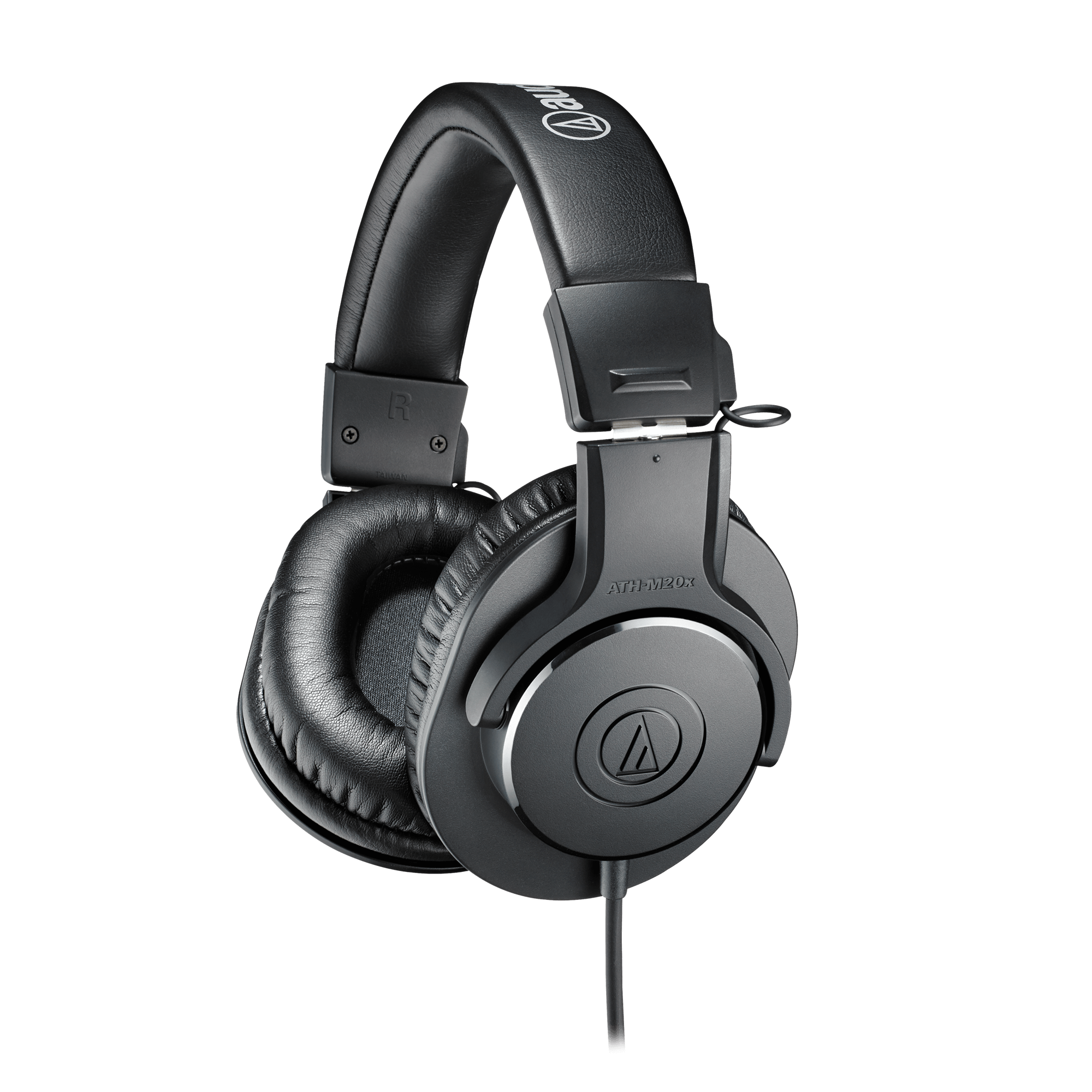
Audio-Technica ATH-M20x Professional Studio Monitor Headphones
The Audio-Technica ATH-M20x suits buyers seeking an accessible wired monitoring headphone that runs from common devices without a dedicated amplifier. Accepted reviews describ
-
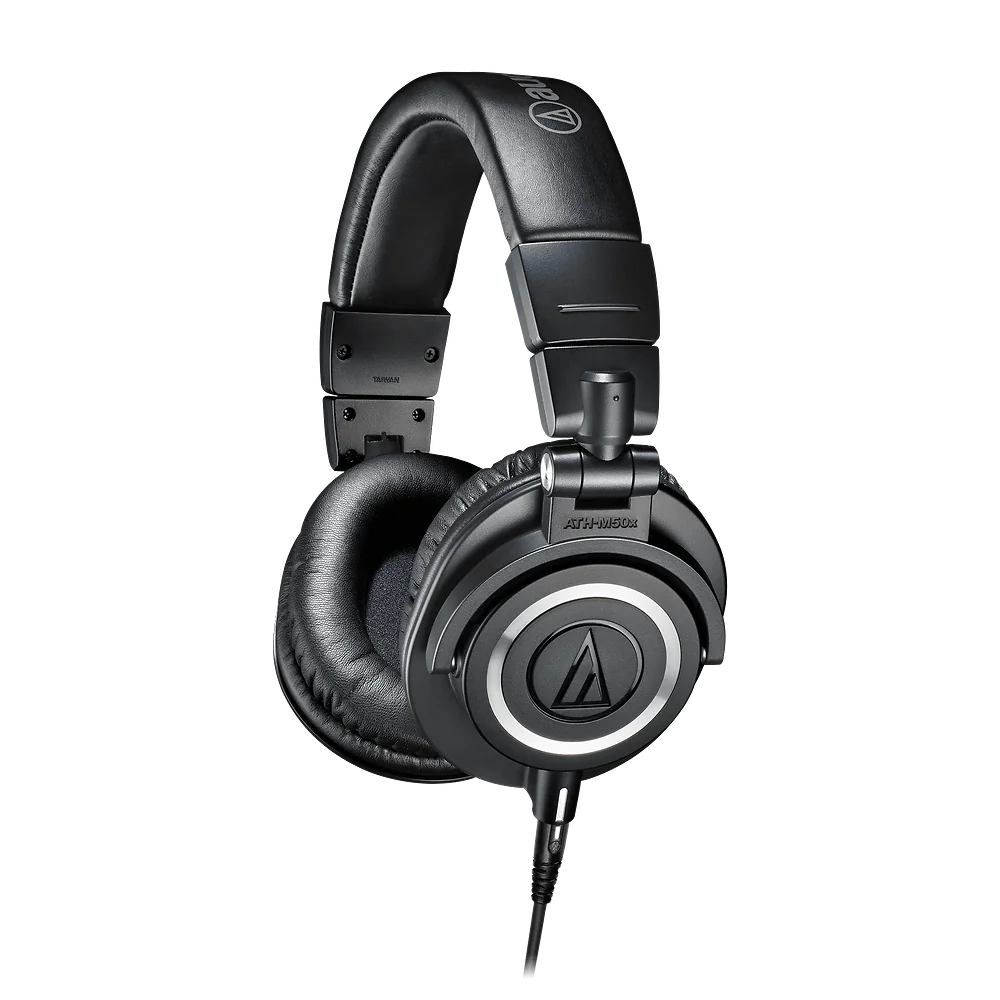
Audio-Technica ATH-M50x Professional Studio Monitor Headphones, Black
Choose the black wired ATH-M50x for recording, everyday desk listening and replaceable-cable convenience if its pads fit you. Vocal tracking is a stronger case than shutting ou
-
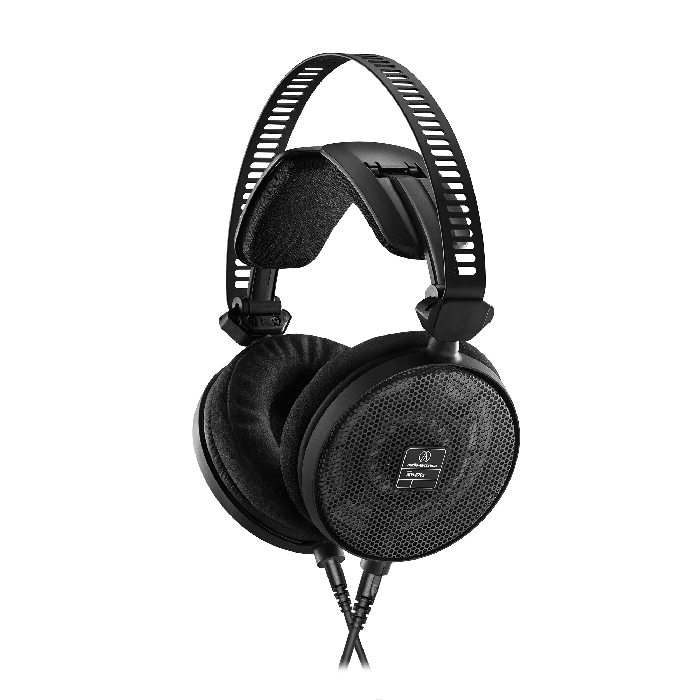
Audio-Technica ATH-R70x Professional Open-Back Reference Headphones
The ATH-R70x suits quiet-room listeners who value low weight and immersive spatial presentation. Check personal fit: low mass does not settle ear-cup clearance or sagging. Ver
-
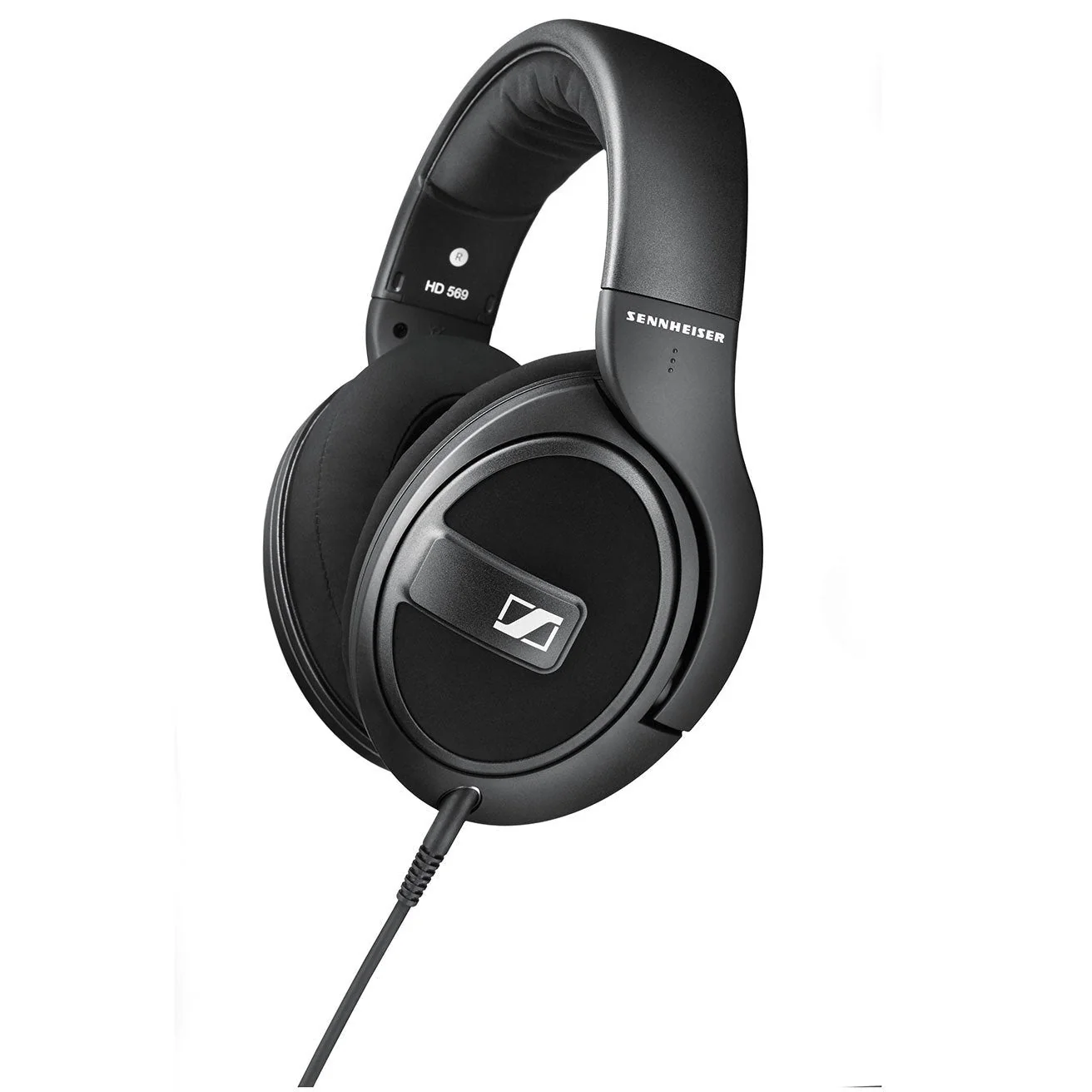
Sennheiser HD 569 Closed-Back Around-Ear Headphones
The Sennheiser HD 569 is worth considering for home listening if you want a closed-back design, reviewer-praised comfort and a sense of space in playback. Sennheiser lists 38 mm drivers and a weight of 300 g.
Sources and method
- JBL Tune 510BT Review [Still Worth Buying in 2026?]RecordingNow · retrieved 2026-09-27Editorial review
- JBL Tune 510BT Review [Still Worth Buying in 2026?]RecordingNow · retrieved 2026-10-08Editorial review
- JBL Tune 510BT Review: Honest, Practical Guide Before You BuyAudioPick · retrieved 2026-09-27Editorial review
- JBL Tune510 BT Headphones ReviewHeadphone Dungeon · retrieved 2026-10-08Editorial review
- JBL Tune 510BT Review: Budget Wireless HeadphonesAudioPick · retrieved 2026-10-08Editorial review
- TUNE510BT Wireless on-ear headphonesJBL · retrieved 2026-10-08DatasheetPDF
- JBL Tune 510BT Review: Budget Bluetooth Headphones That Punch Above $40Tikevo · retrieved 2026-09-27Editorial review
- TUNE510BT Quick Start GuideJBL · retrieved 2026-10-08ManualPDF