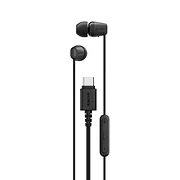
Sony IER-EX15C USB-C wired in-ear headphones with microphone, Black
Choose the IER-EX15C when a USB-C wired connection fits your device and you do not need noise cancellation. UNBOX describes it as practical. The evidence establishes a non-waterproof design, so it is not a choice to treat as water-resistant. These specifications do not establish compatibility with every device or quantify sound quality, distortion, or ambient-noise reduction.
Updated 2026-10-11

We may earn a commission from qualifying purchases.
Prices and sellers
No price information yet
Compatibility
Reported USB-C host use
- Connection
- UNBOX reports successful use; the MacBook Pro needed settings changes.
- Functions
- Reported audio operation
- Notes
- Independent use report, not a complete control or microphone compatibility matrix. Device count, sample size and software versions are unknown.
- Protocol
- USB-C audio
- Result
- partial
- Source device
- Android phones, iPad Air and MacBook Pro; exact models unspecified
- Target device
- Sony IER-EX15C
Areas not yet researched (6)
No conclusion is available for these areas. This does not mean the Product has no limitations or reported issues.
- Conditions and limitations
- Where sources differ
- Reported issues and fixes
- Care and support
- Ownership costs
- Who it suits
Reviewer consensus
Consensus rows require at least two distinct sources for the topic.
| Topic | Positive | Negative | Mixed | Reading | Evidence |
|---|---|---|---|---|---|
| Connectivity and codec support | 1 | 0 | 3 | Mixed · 3/4 | [3], [2], [3], [7] |
| Sound / experience quality | 1 | 0 | 1 | Mixed · 1/2 | [1], [4] |
| Isolation & leakage | 1 | 1 | 0 | Debated · 1 v 1 | [1], [8] |
Single-source notes
The review
Sony IER-EX15C: wired use and evidence limits
Listening impressions are not acoustic measurements
The スマホライフPLUS reviewer names Xperia 1 VII as the listening source and describes audible detail alongside somewhat swollen bass and limited impact. These observations provide a useful counterweight to a simple positive verdict: a listener can appreciate detail while still wanting a different presentation. They remain the reviewer's impressions under a particular listening setup. The account does not provide a calibrated frequency-response curve, a distortion sweep or a controlled comparison with a disclosed sample size. Do not convert its language about resolution or impact into a numerical benchmark. Likewise, Sony's driver size and closed design cannot fill those measurement gaps. Buyers seeking reference-monitor accuracy should treat those questions as unresolved by the evidence retained here, rather than assume that favorable listening comments establish objective neutrality. [8], [1], [4]
Physical specifications
Sony specifies a closed dynamic design, a 5 mm driver, an approximately 1.2 m cable and approximately 3 g of mass without the cable. The exclusion matters: 3 g is not a complete carrying weight for the earphones, cable, connector and accessories. The same specification page identifies an inline remote and microphone. These are manufacturer declarations rather than independently repeated measurements. Driver diameter alone does not demonstrate tonal accuracy, bass extension or distortion performance, while a closed construction does not quantify passive attenuation. For practical selection, compare the documented cable length with the distance between your ears and the intended device position. If a specification is only approximate, preserve that qualification when comparing products; a nominal number should not be presented as a precise test result. [8], [4]
Connection and power
The Sony IER-EX15C connects by USB-C and draws USB bus power at a specified 5 V. Those details describe the interface and supply requirement; they do not establish battery runtime, amplifier headroom or universal compatibility. TheWalkmanBlog reports USB Audio Class 1.0 support from Sony's announcement, which is useful protocol context but remains secondary reporting. Sony's own connection guide is more specific about setup: some smartphones need a setting enabled before the earphones work. Treat the port shape as the beginning of a compatibility check, then verify the device's audio support and settings. A buyer who needs dependable operation across several devices should check each intended host. Success with one phone does not by itself establish operation through a hub, an adapter or a different operating system. [3], [7], [2], [4]
How to read the evidence and its gaps
The sources answer different questions. Sony's specifications establish nominal physical and electrical details. TheWalkmanBlog supplies announcement context, with protocol support explicitly attributed to a press release rather than a test. UNBOX supplies firsthand host-use observations, while スマホライフPLUS adds a named listening setup and subjective sound impressions. These categories should stay separate when comparing this model with another earphone. A repeated manufacturer number is not an additional independent experiment, and several source records from the same page do not create additional source diversity. The retained research does not establish quantitative distortion, passive attenuation or amplifier headroom. An inaccessible review cannot close those gaps merely because its title suggests laboratory testing. The appropriate conclusion is limited evidence, not proof of poor or excellent measured performance. [3], [2], [1], [4]
Who should consider it
The IER-EX15C is a conditional choice for someone who wants a direct USB-C wired connection, can keep the earphones dry and does not require noise cancellation. The host-use report is encouraging within its stated limits, but the purchase decision should still start with the exact devices and applications you intend to use. Check local replacement-tip availability if maintenance is important to you. If your requirements instead include verified acoustic neutrality, quantified isolation or documented long-term repairability, this research leaves those requirements unresolved. That distinction is more useful than a blanket recommendation: the model can fit a straightforward use case without the available evidence proving every aspect of performance. Preserve the compatibility and moisture caveats alongside the benefits when making the final choice. [8], [3], [1], [3]
What the English hands-on review actually tested
UNBOX's Duey Guison reports using the IER-EX15C on several Android phones, an iPad Air and a MacBook Pro. The MacBook Pro required settings adjustments. That is useful firsthand evidence that goes beyond a connector description, and it supports the reviewer's broader description of the product as practical. However, the article does not identify every phone model, operating-system version, firmware revision or sample count. It also does not provide a separate pass-or-fail table for every microphone and remote-control function on every host. Interpret the report as bounded qualitative use, not a certification covering an entire platform. If calls or a particular application are essential to your workflow, test that exact combination rather than extrapolating from successful music playback on a different device. [3], [3], [7]
Set up the connection before listening
Sony's connection instructions warn that volume may increase when connecting to a device other than a smartphone. They advise making the connection before playback and before placing the earphones in your ears. This matters when moving between hosts: a familiar connector does not mean the next device will behave exactly like the previous one. Follow the host's instructions for any required USB settings, then check that sound is routed as intended. The inline microphone and remote establish that the earphones have communication and control hardware, but that hardware description alone is not a guarantee for every application. For a work call, checking the microphone and controls in the actual calling application is a sensible verification step, not evidence of a feature beyond what the sources document. [3], [7], [4]
Moisture and replacement tips
Sony states that the headphones are not waterproof. Keep that restriction central when deciding whether they suit your routine, rather than interpreting a small wired design as suitable for wet use. Sony identifies EP-EX10A series replacement tips for countries and regions outside Japan, subject to regional availability. This establishes a replacement family, not current local stock or guaranteed future supply. A buyer relying on replacement tips should check the relevant local channel before purchase. The cited material does not establish cable repairability or long-term durability, and no total ownership-cost calculation is offered here. The review also reports no noise cancellation. Those limits remain part of the recommendation even when the earphones otherwise suit a simple wired setup. [8], [1]
Buyer questions
Before you buy
Compatibility
How is power supplied?
Sony specifies USB bus power at 5 V. That does not establish operation with every USB-C device. [8]
Has it been used with computers and tablets?
UNBOX reports successful use with an iPad Air and a MacBook Pro, with settings adjustments on the MacBook Pro. Exact models, software versions and per-function results are unspecified; this does not guarantee every computer or tablet. [3]
Limitations
Are the headphones waterproof?
No. Sony's manual states that the headphones are not waterproof. [8]
Do the listening reviews establish measured sound accuracy?
No. The スマホライフPLUS account describes listening with Xperia 1 VII and offers subjective impressions. It does not establish a calibrated frequency response or distortion result in the evidence retained here. [1]
Care and maintenance
Can replacement earbud tips be identified?
Sony lists the EP-EX10A series for countries and regions except Japan, with availability caveats. This does not confirm local stock. [8]
Product images
Facts and specifications
Manufacturer manual
| Specification | Value | Source |
|---|---|---|
| Acoustic Design | Closed, dynamic | [8] |
| Cable Length | 1.2 m | [4] |
| Control Type | Inline remote and microphone | [4] |
| Driver Size | 5 mm | [4] |
| Voltage | 5 V | [4] |
| Weight | 3 g | [4] |
Stated by reviewers
| Specification | Value | Source |
|---|---|---|
| Compatibility | TheWalkmanBlog reports USB Audio Class 1.0 compatibility from Sony's press release; this is secondary reporting, not an interoperability experiment.; UNBOX reports successful use on several Android phones, an iPad Air and a MacBook Pro, with settings adjustments on the MacBook Pro; models, software versions and sample count are unspecified. Philippines | [3], [2] |
| Interface | USB-C | [3] |
| Active Noise Cancelling | No | [1] |
Other facts
| Specification | Value | Source |
|---|---|---|
| Buyer Fit | UNBOX describes the IER-EX15C as practical. | [3] |
| Limitation | The headphones are not waterproof. | [8] |
| Setup Requirement | Sony lists EP-EX10A series replacement earbud tips for countries and regions except Japan, with regional availability caveats.; Sony says some USB Type-C smartphones require connection settings; its connection guide also warns that volume may increase on other devices and advises connecting before playback and before inserting the earphones. | [8], [7] |
KnowSpec analysis
A wired option for dry environments
Choose the IER-EX15C when a USB-C wired connection fits your device and you do not need noise cancellation. UNBOX describes it as practical. The evidence establishes a non-waterproof design, so it is not a choice to treat as water-resistant. These specifications do not establish compatibility with every device or quantify sound quality, distortion, or ambient-noise reduction.
Method: inferredPlan fit and replacement needs
Consider the cable length and the specified earphone weight separately from a complete carrying-weight estimate. Sony names replacement earbud tips with regional availability caveats. USB bus power is specified, but it is not a measured battery-runtime or amplifier-headroom result. Check replacement-tip availability before relying on future maintenance.
Method: inferredVisible information gaps
Missing information is shown rather than guessed.
- Topic:Distortionrights restricted
- Topic:Frequency Responsenot found
- Topic:Distortionnot found
- Topic:Amplifier Requirementsnot found
Products in this content
-
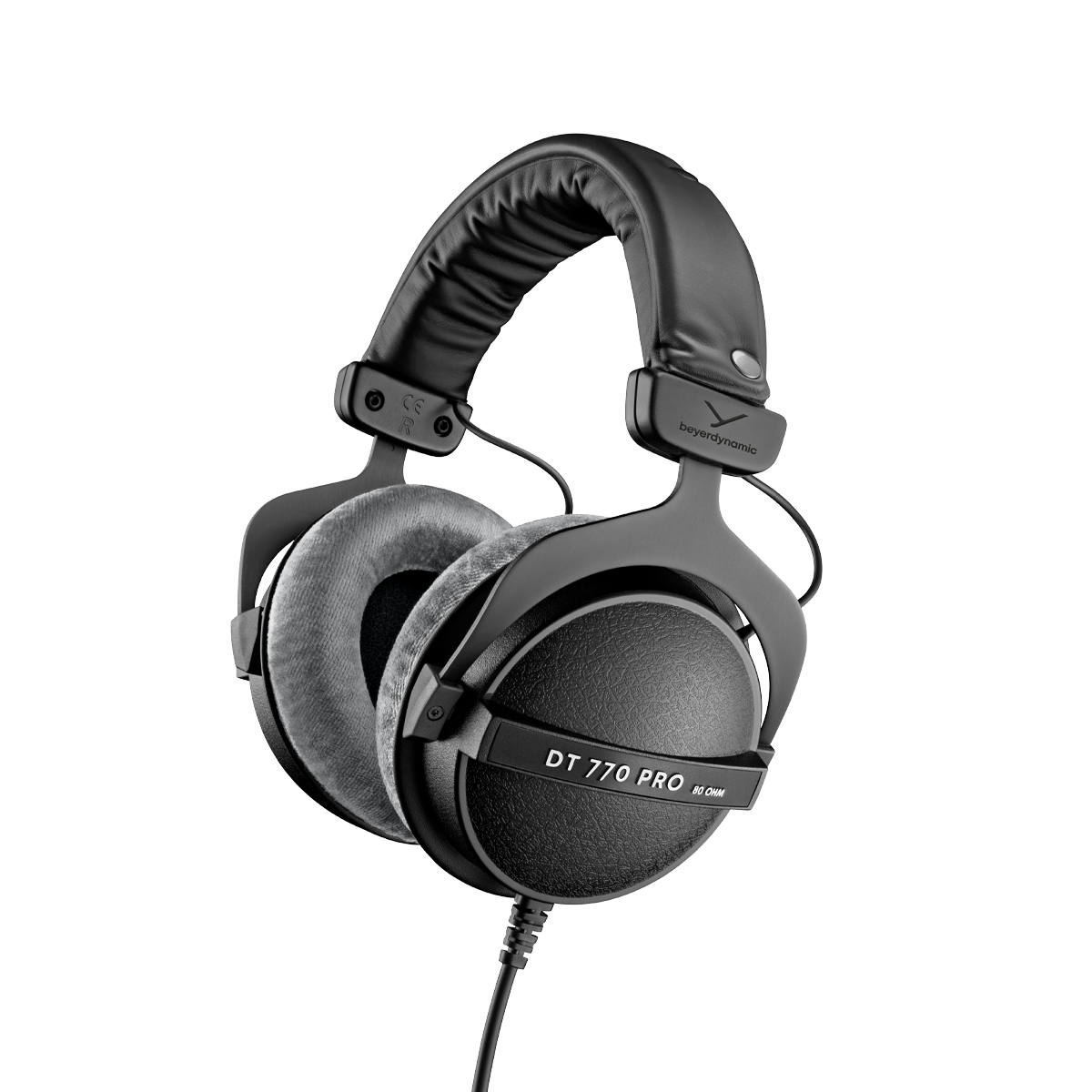
beyerdynamic DT 770 PRO 80 Ohm Over-Ear Studio Headphones
The closed-back design and comfortable velour pads suit recording sessions, while replacement components support maintenance. HeadphoneCheck favors the 80 Ohm model for recording over final mi
-
Sony MDR-7506 Professional Stereo Monitor Headphones
Sony documents studio and broadcast use. Independent comfort observations differ, so evaluate fit on the actual unit and do not generalize an aged sample with replaced cushions to new stock.
-
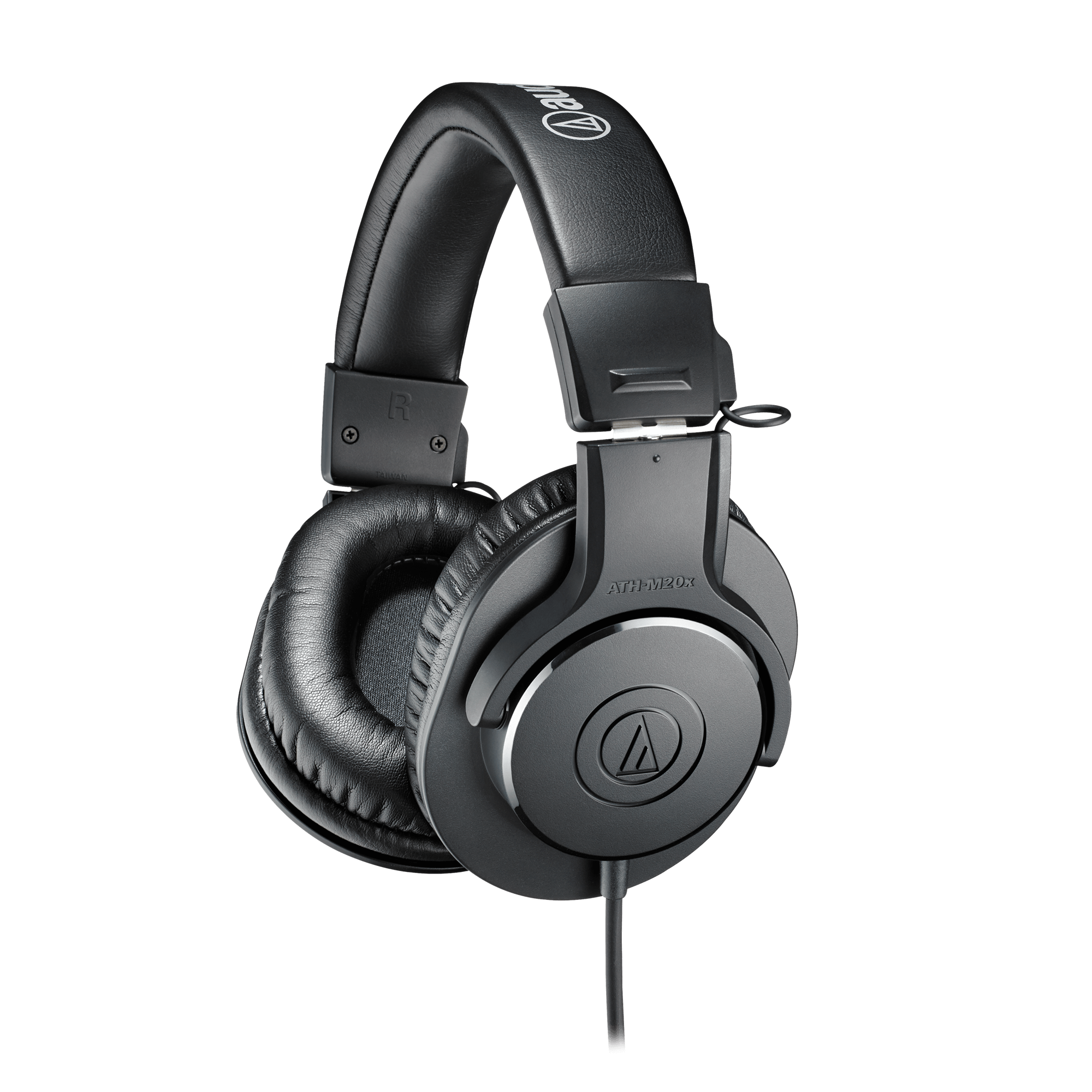
Audio-Technica ATH-M20x Professional Studio Monitor Headphones
The Audio-Technica ATH-M20x suits buyers seeking an accessible wired monitoring headphone that runs from common devices without a dedicated amplifier. Accepted reviews describ
-
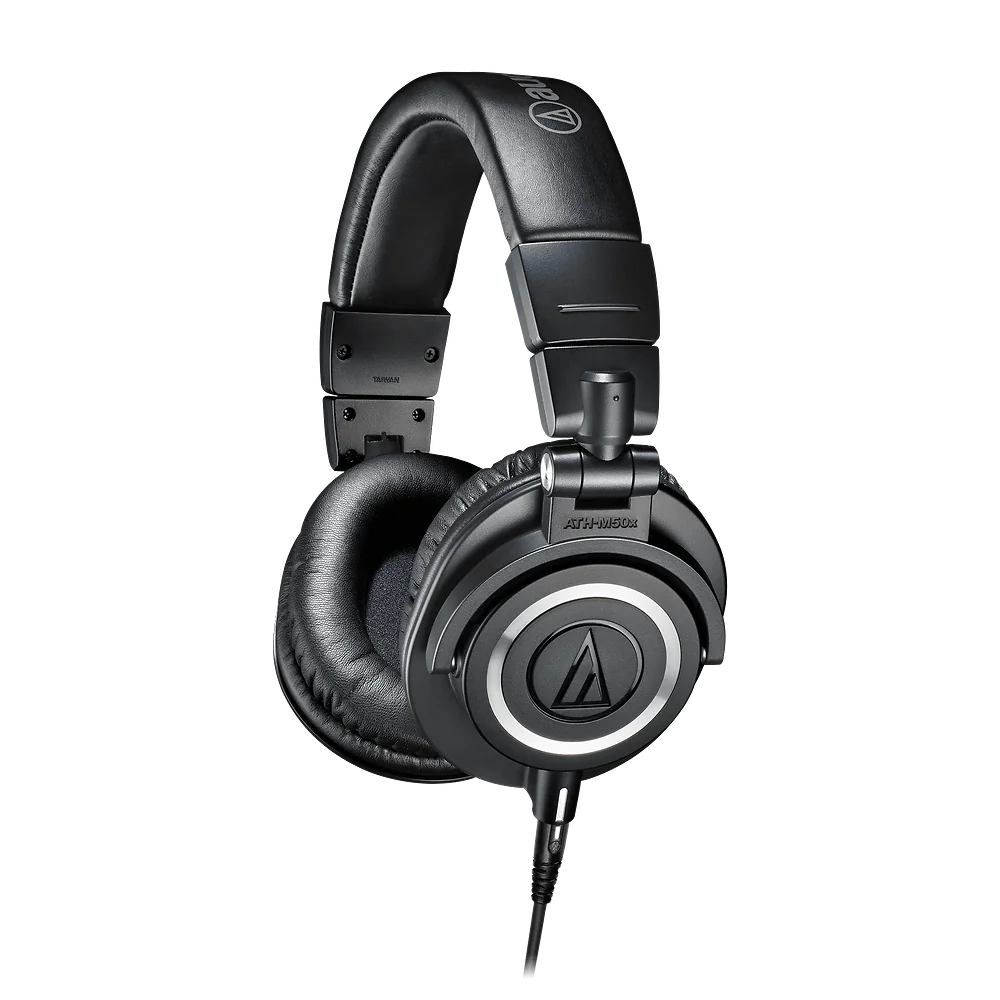
Audio-Technica ATH-M50x Professional Studio Monitor Headphones, Black
Choose the black wired ATH-M50x for recording, everyday desk listening and replaceable-cable convenience if its pads fit you. Vocal tracking is a stronger case than shutting ou
-
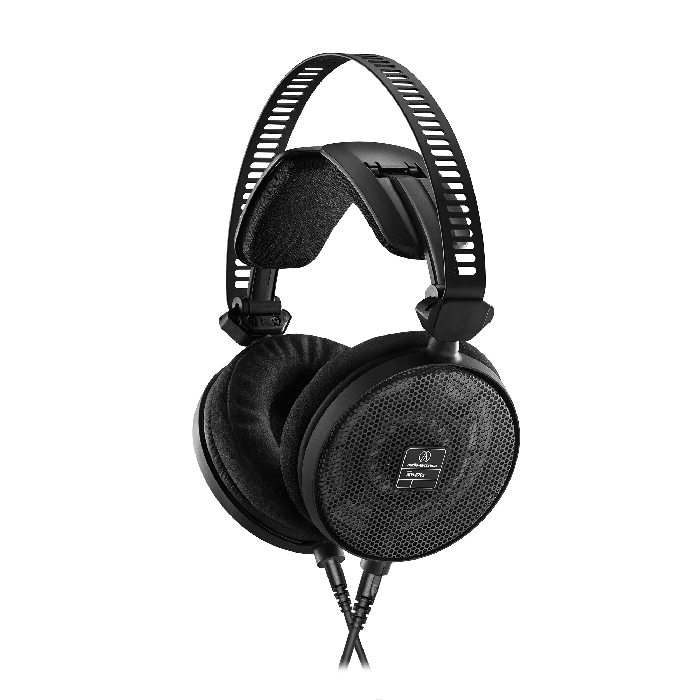
Audio-Technica ATH-R70x Professional Open-Back Reference Headphones
The ATH-R70x suits quiet-room listeners who value low weight and immersive spatial presentation. Check personal fit: low mass does not settle ear-cup clearance or sagging. Ver
-
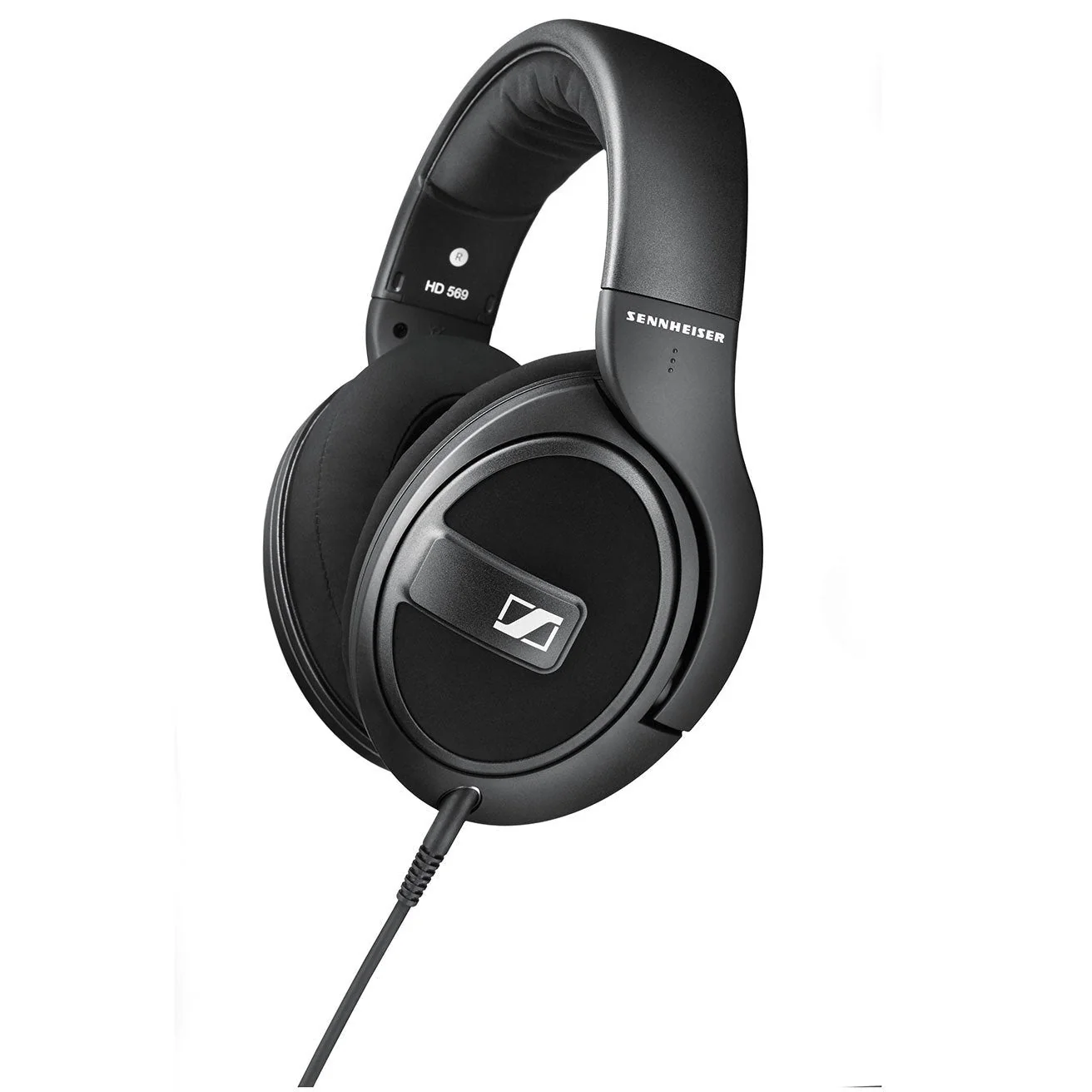
Sennheiser HD 569 Closed-Back Around-Ear Headphones
The Sennheiser HD 569 is worth considering for home listening if you want a closed-back design, reviewer-praised comfort and a sense of space in playback. Sennheiser lists 38 mm drivers and a weight of 300 g.
Sources and method
- ソニーのUSB-C接続イヤホン「IER-EX15C」は買いか? 音質や使い勝手を徹底レビュー!スマホライフPLUS · retrieved 2026-10-11Editorial review
- Sony Introduces the IER-EX15CTheWalkmanBlog · retrieved 2026-10-11Other source
- Are USB-C earphones still relevant in 2025?UNBOX · retrieved 2026-10-11Editorial review
- IER-EX15C SpecificationsSony · retrieved 2026-10-11Manual
- ソニーのUSB-C接続イヤホン「IER-EX15C」は買いか? 音質や使い勝手を徹底レビュー!スマホライフPLUS · retrieved 2026-10-02Editorial review
- Are USB-C earphones still relevant in 2025?UNBOX · retrieved 2026-10-02Editorial review
- IER-EX15C Connecting to a USB Type-C compatible smartphoneSony · retrieved 2026-10-11Manual
- Help Guide: Stereo Headphones IER-EX15CSony · retrieved 2026-10-02ManualPDF