Audio-Technica ATH-R50x Professional Open-Back Reference Headphones
The Audio-Technica ATH-R50x is best supported as a reference headphone for engineers and mixers. Reviews describe an exceptionally wide soundstage, long-wear comfort, solid construction, very low measured distortion, and no need for a high-powered amplifier. Its open design leaks sound and does not attenuate outside noise, and one comparison found it less even and neutral than the ATH-R70xa.
Updated 2026-10-14
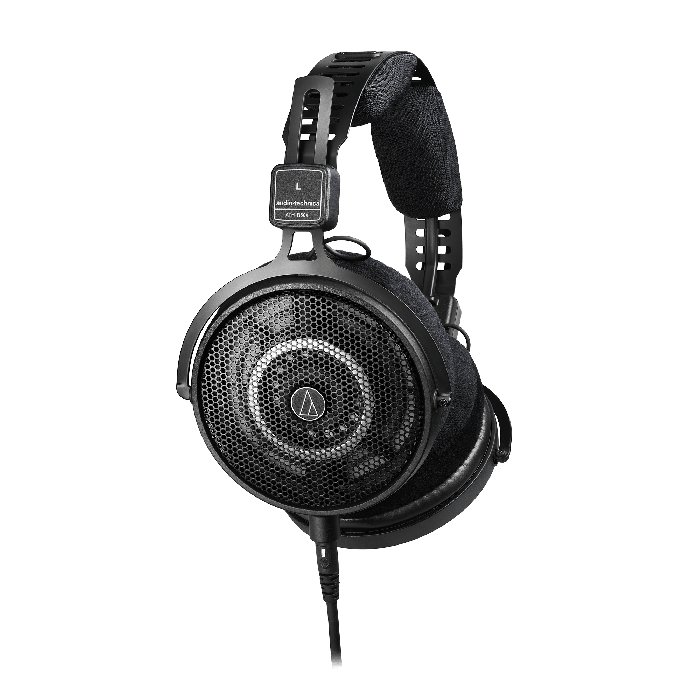

We may earn a commission from qualifying purchases.
Prices and sellers
No price information yet
Areas not yet researched (7)
No conclusion is available for these areas. This does not mean the Product has no limitations or reported issues.
- Conditions and limitations
- Compatibility
- Where sources differ
- Reported issues and fixes
- Care and support
- Ownership costs
- Who it suits
Reviewer consensus
Single-source notes
- Amplifier requirements: Agreed · 1/1 · [1]
- Build quality: Agreed · 1/1 · [4]
- Buyer fit: Agreed · 1/1 · [3]
- Comfort & usability: Agreed · 1/1 · [1]
- Distortion: Agreed · 1/1 · [4]
- Sound / experience quality: Agreed · 1/1 · [3]
- Frequency response: Agreed · 1/1 · [7]
- Isolation & leakage: Weak point · 1/1 · [4]
- Limitations: Weak point · 1/1 · [1]
- Repairability: Agreed · 1/1 · [7]
The review
Audio-Technica ATH-R50x: soundstage, comfort, and open-back limits
Reference use and soundstage
The ATH-R50x is a candidate for engineers and mixers who want an open reference headphone, but the evidence supports an audition rather than a promise of universal neutrality. Headphone Dungeon recommends it for that work and describes a particularly wide soundstage. Those are listening judgments from a reviewer, not measurements of a fixed spatial dimension. They explain why a listener might shortlist it for arranging sounds across a mix, while leaving room for a different impression with another recording, fit or listening preference. Recording Magazine supplies a useful qualification: its reviewer found the R50x less even and neutral than the ATH-R70xa. That does not cancel the favorable reference-use assessment from Headphone Dungeon; it narrows what a buyer should infer from the word reference. Someone seeking the most even balance should compare the headphones directly with familiar material. Someone prioritizing the reported sense of width may still find the R50x appealing. Neither assessment establishes that every mix made on it will translate correctly to every speaker system. The documented 45 mm driver and the manufacturer's 5 Hz lower frequency limit identify published specifications, not a guarantee of audible bass strength at that limit. A frequency endpoint does not describe the level across the response curve. Treat it as a catalogue boundary and keep the listening assessments separate. This distinction matters when deciding whether the headphone suits monitoring work: a broad stated range cannot, by itself, settle whether its tonal balance matches your expectations. [3], [1], [7], [2]
Comfort and build
Comfort is one of the clearer reasons to try the R50x. Recording Magazine found it comfortable over long wear, while DIY-Audio-Heaven also describes the construction and comfort positively. Geektopia adds an important counterweight: the relatively small circular cup interiors may bother listeners with larger ears. These reports can all be true because comfort depends on the person wearing the headphone. They support a favorable starting expectation, not an assurance that a long session will feel effortless for every head and ear shape. Audio-Technica lists approximately 207 g without the cable. DIY-Audio-Heaven reports 211 g without the cable for its reviewed sample. Keep both numbers attached to their origins: the first is an approximate manufacturer specification, and the second is a reviewer result. The available measurement does not disclose a sample count, weighing instrument or hardware revision. It cannot establish a production tolerance or show how much all retail examples vary. For a practical fit check, pay attention to whether your ears have comfortable room inside the cups rather than choosing solely by the lighter published number. [1], [4], [2], [4], [6]
Drive and serviceability
The connector needs careful wording. DIY-Audio-Heaven identifies a twist-lock 2.5 mm TRS connector at the headphone cup. That describes the headphone side of the detachable cable; it should not be confused with the plug that connects to the playback device. The detachable arrangement also makes cable replacement possible, as the manufacturer documentation indicates. When ordering a replacement, confirm the headphone-side locking fit instead of assuming that any cable with a familiar plug size will attach correctly. Replaceability is useful, but it does not establish local stock or the suitability of an unverified third-party part. Recording Magazine says that a high-powered amplifier is unnecessary. Audio-Technica specifies 50 Ω impedance, while DIY-Audio-Heaven measured 52 Ω on its reviewed sample. The measured figure is a separate observation, not a replacement for the manufacturer's rating. Impedance alone also cannot prove that every phone, laptop or interface will provide the listening level a user wants. Start with the output you actually intend to use and check its available level with familiar recordings. The cited reviewer judgment supports trying an existing source first; it does not certify an unspecified playback device. [1], [7], [4], [2]
Open-back tradeoffs
The open design is a decisive constraint. DIY-Audio-Heaven reports that nearby people can hear playback and that outside sound reaches the ears without attenuation. For reference listening, that makes the room part of the decision. A quiet private workspace is a more plausible match than an environment where privacy or isolation is essential. This is a suitability judgment based on the reported leakage behavior, not a measured isolation rating. Increasing playback volume does not turn an open headphone into an isolating one, and the evidence here offers no basis for promising private listening around colleagues. The distortion finding also needs its original limits. DIY-Audio-Heaven describes very low measured distortion above 100 Hz; that qualitative finding should not be converted into an invented percentage or a claim about every frequency and listening level. Low distortion does not resolve the separate questions of tonal preference or ear fit. The R50x can therefore remain a worthwhile audition for a quiet workstation while being the wrong choice for someone who needs isolation, dislikes its balance relative to the R70xa, or cannot get comfortable inside the cups. Match those constraints to your use before treating a favorable review as a buying verdict. [1], [3], [4], [6]
Specifications
Weight without cable
211 gReviewer-reported weighing; instrument and procedure not stated. · ATH-R50x review sample without cable. Sample count, country and hardware revision are unknown. Manufacturer rating is approximately 207 g; do not generalize this sample to every unit.
Source [4]Impedance
52 ohmReviewer-reported impedance measurement; instrument and test frequency not stated. · ATH-R50x review sample. Sample count, country and hardware revision are unknown. Manufacturer rating is 50 Ω. This is not a tolerance specification.
Source [4]Alternatives
| Alternative | Where this Product wins | Where it loses | Pick it if |
|---|---|---|---|
| Audio-Technica ATH-ADX3000 Dynamic Headphones | Both are documented down to 5 Hz, while the R50x is praised for an exceptionally wide soundstage. [3], [7] | The R50x is described as less even and neutral than the ATH-R70xa, while the ADX3000 is positioned for instrumental clarity but can sound harsh in the treble. [1] | Choose the R50x for its cited wide reference presentation; choose the ADX3000 for instrumental clarity if its treble character suits you. |
| Specification | Audio-Technica ATH-R50x Professional Open-Back Reference Headphones | Audio-Technica ATH-ADX3000 Dynamic Headphones |
|---|---|---|
| Lowest Frequency | 5 Hz US [7] | 5 Hz |
| Buyer Fit | A reference headphone for engineers and mixers. US [3] | Best for instrumental listeners who prioritize clarity. |
| Limitation | Less even and neutral than the ATH-R70xa. US [1] | The treble can sound harsh and splashy. |
Buyer questions
Before you buy
Who is the ATH-R50x best suited to?
The evidence recommends it as a reference headphone for engineers and mixers. [3]
Compatibility
Is a high-powered amplifier required?
Recording Magazine says a high-powered amplifier is unnecessary. This is a reviewer assessment, not a guarantee for every playback device. [1]
Everyday use
How is the soundstage described?
One reviewer describes the soundstage as exceptionally wide. [3]
Limitations
Does the open design isolate outside noise?
No. The open design lets outside sound in and also leaks audio to people nearby. [4]
Care and maintenance
Can the cable be replaced?
Yes. Audio-Technica's evidence says the detachable cable can be replaced. [7]
Product images
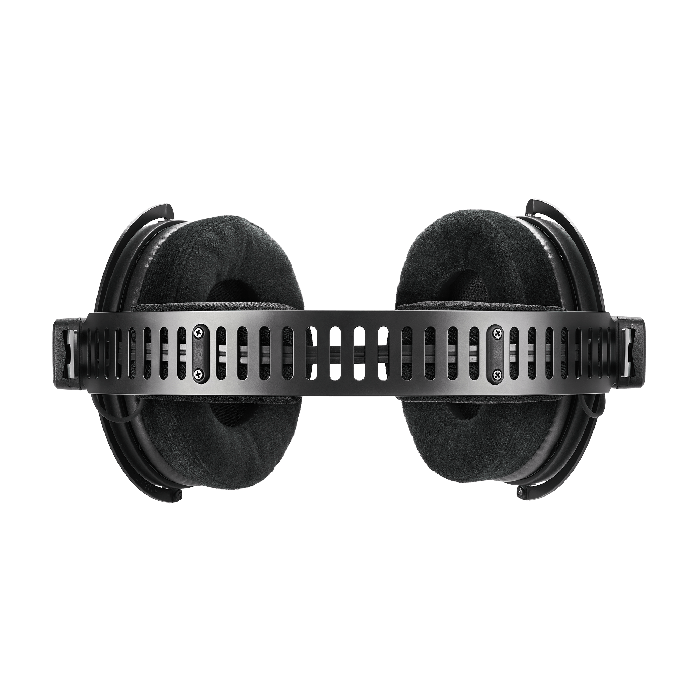
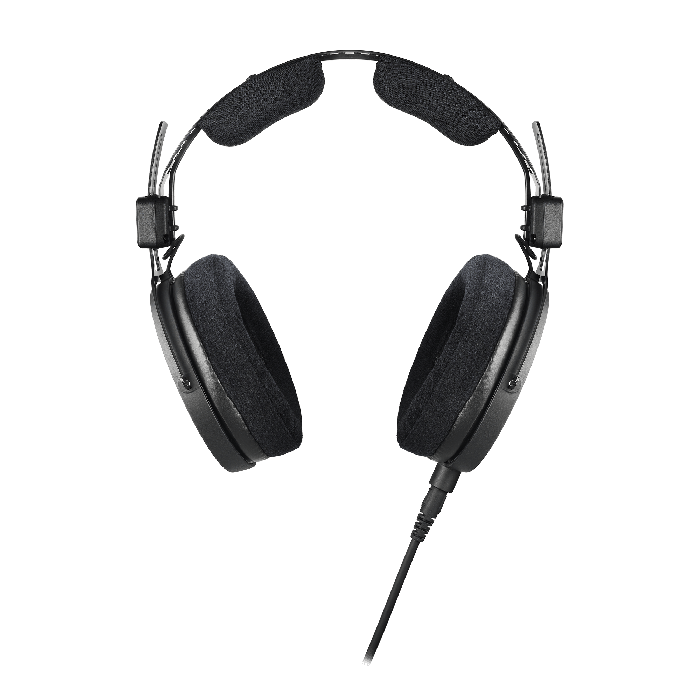
Facts and specifications
Manufacturer datasheet
| Specification | Value | Source |
|---|---|---|
| Lowest Frequency | 5 Hz US | [7] |
Manufacturer manual
Stated by reviewers
| Specification | Value | Source |
|---|---|---|
| Interface | The headphone-side connector is a twist-lock 2.5 mm TRS jack. | [4] |
Measured by a lab
Other facts
| Specification | Value | Source |
|---|---|---|
| Buyer Fit | A reference headphone for engineers and mixers. US | [3] |
| Limitation | Geektopia warns that the relatively small circular cups may bother people with larger ears.; Its very open design leaks sound and does not attenuate outside noise. US; Less even and neutral than the ATH-R70xa. US | [1], [4], [6] |
KnowSpec analysis
Wide open-back reference headphone for engineers and mixers
The Audio-Technica ATH-R50x is best supported as a reference headphone for engineers and mixers. Reviews describe an exceptionally wide soundstage, long-wear comfort, solid construction, very low measured distortion, and no need for a high-powered amplifier. Its open design leaks sound and does not attenuate outside noise, and one comparison found it less even and neutral than the ATH-R70xa.
Method: Evidence synthesisVisible information gaps
Missing information is shown rather than guessed.
- Topic:Battery Lifenot found
Products in this content
-
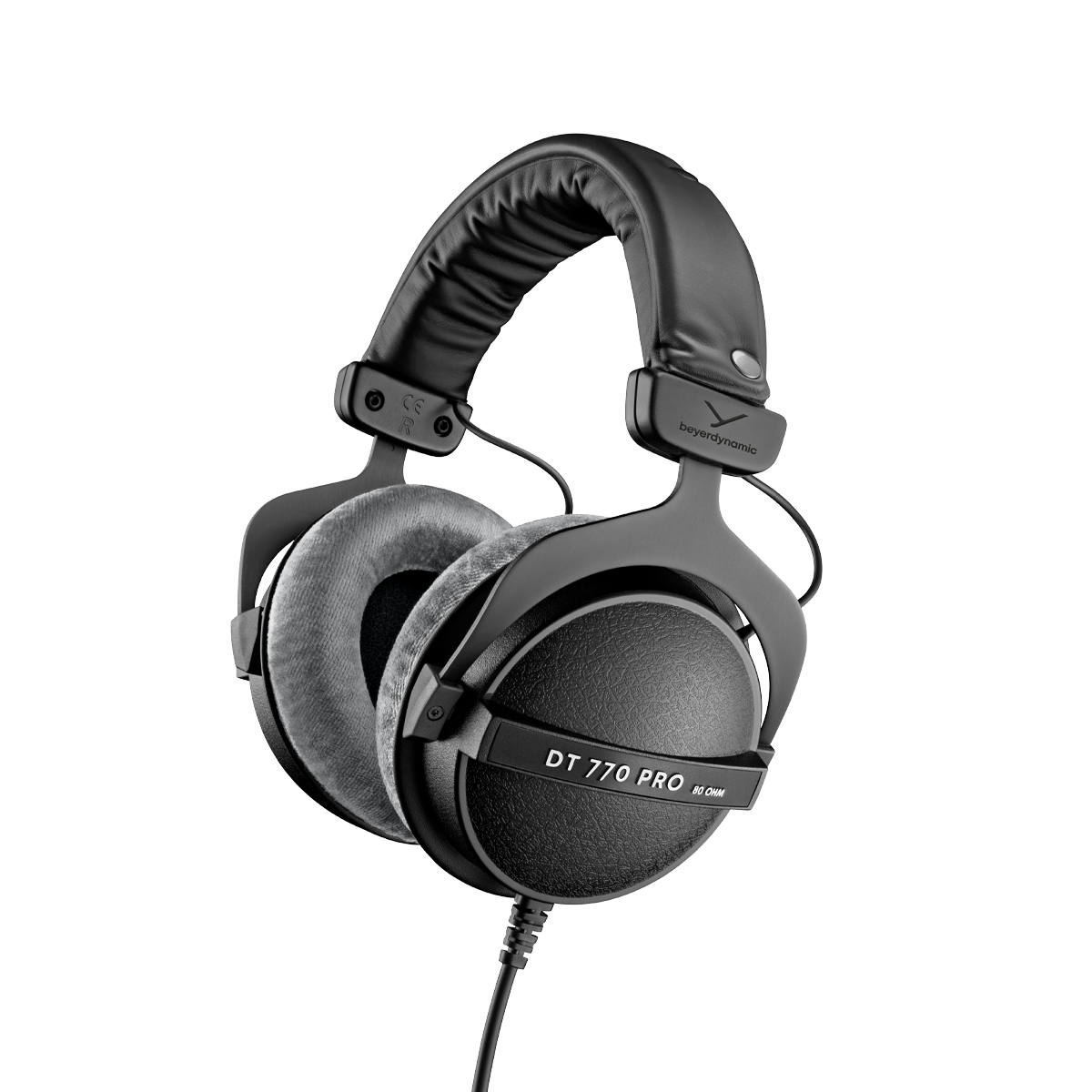
beyerdynamic DT 770 PRO 80 Ohm Over-Ear Studio Headphones
The closed-back design and comfortable velour pads suit recording sessions, while replacement components support maintenance. HeadphoneCheck favors the 80 Ohm model for recording over final mi
-
Sony MDR-7506 Professional Stereo Monitor Headphones
Sony documents studio and broadcast use. Independent comfort observations differ, so evaluate fit on the actual unit and do not generalize an aged sample with replaced cushions to new stock.
-
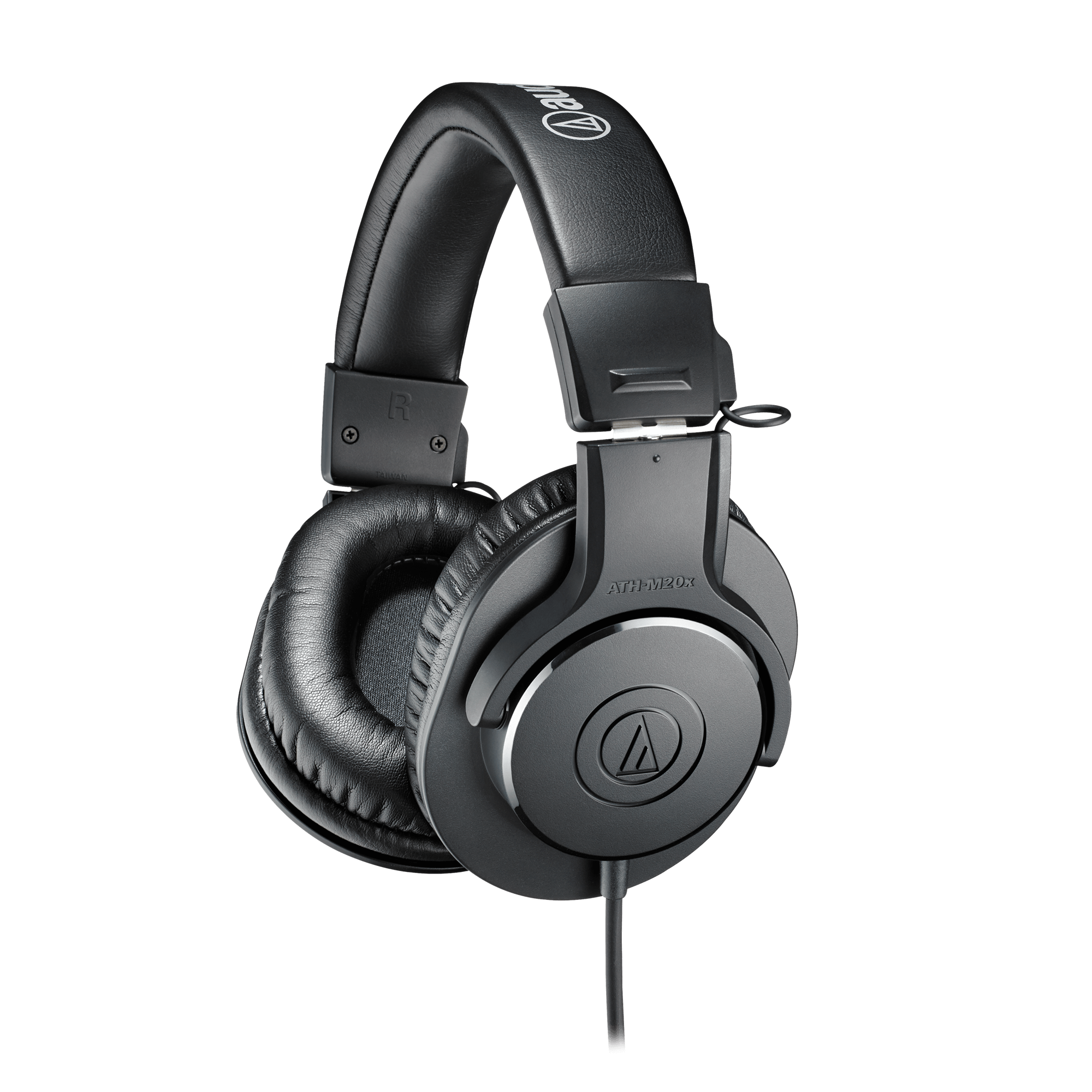
Audio-Technica ATH-M20x Professional Studio Monitor Headphones
The Audio-Technica ATH-M20x suits buyers seeking an accessible wired monitoring headphone that runs from common devices without a dedicated amplifier. Accepted reviews describ
-
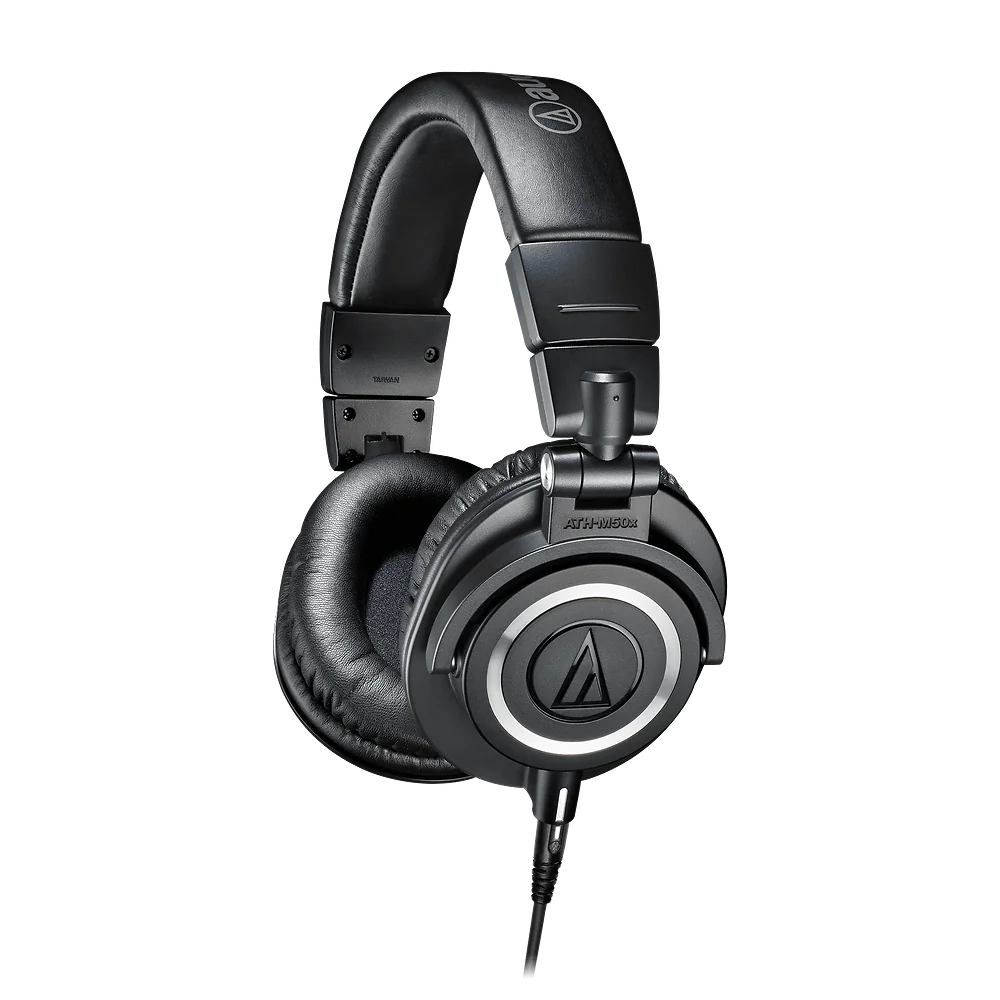
Audio-Technica ATH-M50x Professional Studio Monitor Headphones, Black
Choose the black wired ATH-M50x for recording, everyday desk listening and replaceable-cable convenience if its pads fit you. Vocal tracking is a stronger case than shutting ou
-
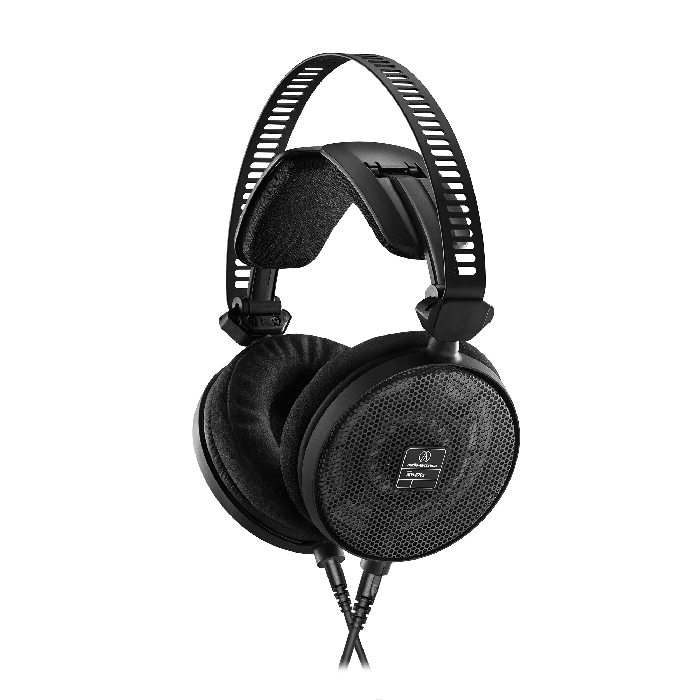
Audio-Technica ATH-R70x Professional Open-Back Reference Headphones
The ATH-R70x suits quiet-room listeners who value low weight and immersive spatial presentation. Check personal fit: low mass does not settle ear-cup clearance or sagging. Ver
-
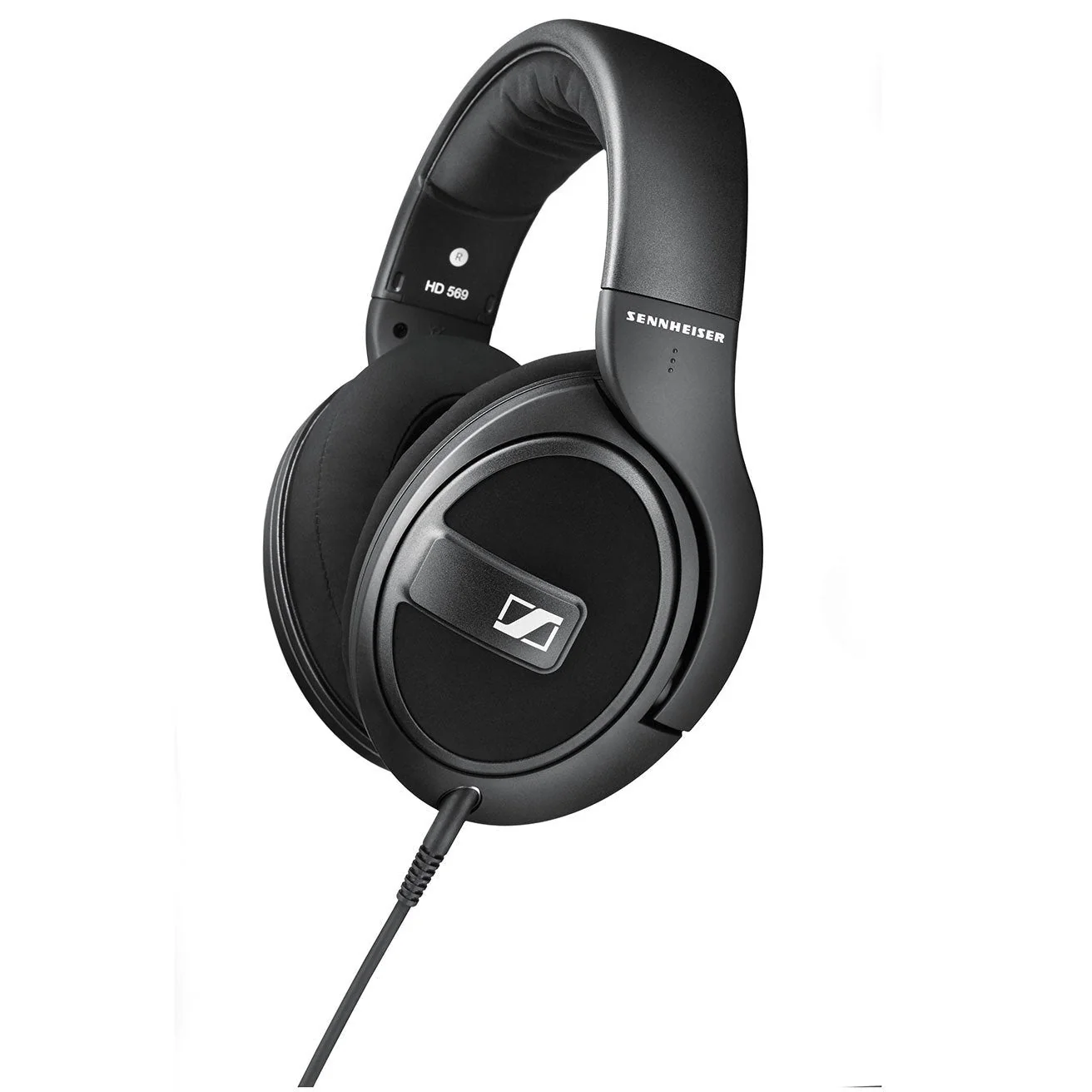
Sennheiser HD 569 Closed-Back Around-Ear Headphones
The Sennheiser HD 569 is worth considering for home listening if you want a closed-back design, reviewer-praised comfort and a sense of space in playback. Sennheiser lists 38 mm drivers and a weight of 300 g.
Sources and method
- March 2025: Audio-Technica ATH-R70xa, ATH-R50x & ATH-R30xRecording Magazine · retrieved 2026-09-27Editorial review
- ATH-R50x User ManualAudio-Technica · retrieved 2026-10-14ManualPDF
- Audio-Technica ATH-R50x ReviewHeadphone Dungeon · retrieved 2026-09-27Editorial review
- ATH-R50xDIY-Audio-Heaven · retrieved 2026-10-14Lab review
- ATH-R50xDIY-Audio-Heaven · retrieved 2026-09-27Lab review
- Análisis: Audio-Technica ATH-R50xGeektopia · retrieved 2026-10-14Editorial review
- ATH-R50xAudio-Technica · retrieved 2026-09-27Manufacturer